








































Headache and Migraine Prevention Starts with Identifying Triggers
Headaches and migraines are among the most common neurological conditions, affecting millions of people worldwide.

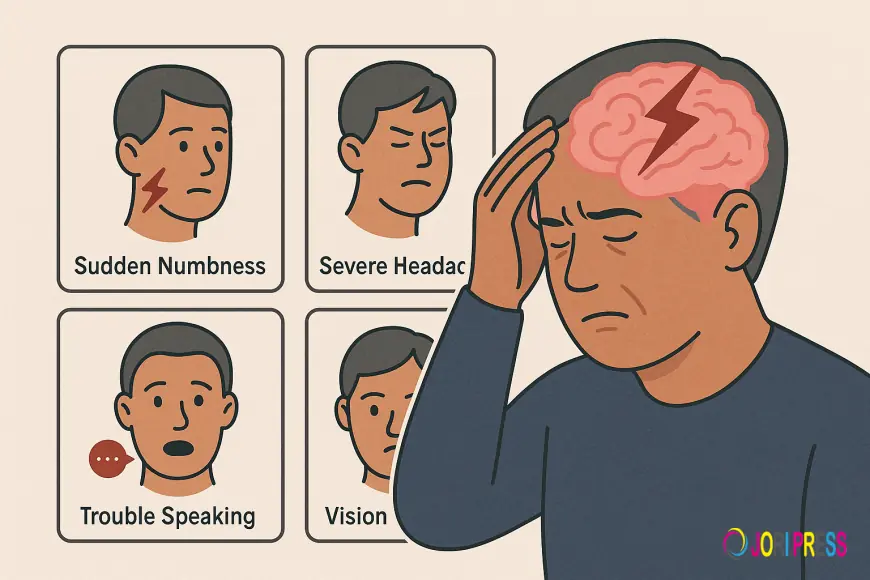
Headaches and migraines are among the most common neurological conditions, affecting millions of people worldwide. While occasional headaches may be manageable, frequent migraines can significantly impact work, family life, and overall well-being. One of the most effective ways to reduce the frequency and severity of headaches and migraines is by identifying and avoiding personal triggers.
At Neurology and Pain Management Clinic (NPMC), Dr. Gautam Arora (MBBS, MD, DM), a leading Neurologist in Delhi, helps patients understand the root causes of their headaches and develop personalized treatment plans for long-term relief.
Understanding Headaches and Migraines
A headache is pain or discomfort in the head, scalp, or neck. Migraines, however, are a more complex neurological disorder that often causes intense, throbbing pain, usually on one side of the head.
Migraine symptoms may include:
- Severe headache pain
- Nausea and vomiting
- Sensitivity to light and sound
- Blurred vision
- Dizziness
- Visual disturbances or aura
Because migraines can vary from person to person, identifying individual triggers is an important step toward effective prevention.
Common Migraine and Headache Triggers
Stress and Anxiety
Emotional stress is one of the most common migraine triggers. Increased tension can affect brain chemicals and blood vessels, leading to headaches or migraine attacks.
Lack of Sleep
Poor sleep quality, irregular sleep schedules, or insufficient sleep can increase the likelihood of migraines and chronic headaches.
Dehydration
Not drinking enough water can lead to dehydration, a frequent cause of headaches and migraine episodes.
Dietary Triggers
Certain foods and beverages may trigger migraines in some individuals, including:
- Caffeine (too much or sudden withdrawal)
- Processed foods
- Aged cheese
- Chocolate
- Artificial sweeteners
- Alcohol
Keeping a food diary can help identify dietary triggers.
Hormonal Changes
Hormonal fluctuations, particularly in women, may contribute to migraine attacks during menstruation, pregnancy, or menopause.
Bright Lights and Strong Odors
Exposure to bright lights, loud noises, strong perfumes, or environmental changes can trigger headaches in sensitive individuals.
Skipping Meals
Missing meals or prolonged fasting can cause blood sugar fluctuations that may trigger migraines.
Why Identifying Triggers Matters
Understanding your specific triggers can help reduce headache frequency and improve the quality of life. Patients who track their symptoms often gain valuable insights into patterns that contribute to their migraine attacks.
Dr. Gautam Arora frequently recommends maintaining a headache diary to record:
- Time and duration of headaches
- Foods consumed
- Sleep patterns
- Stress levels
- Environmental exposures
- Associated symptoms
This information helps guide accurate diagnosis and treatment planning.
Treatment and Prevention Strategies
At Neurology and Pain Management Clinic (NPMC), migraine management may include:
- Preventive medications
- Acute pain relief treatments
- Lifestyle modifications
- Stress management techniques
- Sleep improvement strategies
- Nutritional guidance
- Regular exercise recommendations
A personalized treatment approach can significantly reduce migraine frequency and severity.
When to See a Neurologist
You should seek medical attention if:
- Headaches become frequent or severe
- Pain interferes with daily activities
- Symptoms suddenly worsen
- Headaches are associated with weakness, vision changes, or neurological symptoms
Conclusion
Preventing headaches and migraines often begins with identifying and managing personal triggers. By understanding what contributes to your symptoms, you can take proactive steps toward better neurological health and long-term relief.
If you are struggling with recurring headaches or migraines, consult Dr. Gautam Arora at Neurology and Pain Management Clinic (NPMC), Delhi. Expert evaluation, trigger identification, and personalized treatment can help you regain control and enjoy a healthier, headache-free life.
What's Your Reaction?
 Like
0
Like
0
 Dislike
0
Dislike
0
 Love
0
Love
0
 Funny
0
Funny
0
 Angry
0
Angry
0
 Sad
0
Sad
0
 Wow
0
Wow
0