




































Glaucoma Treatment in Dubai: Advanced Care to Protect Your Vision
Learn about glaucoma treatment in Dubai, including eye drops, laser therapy, surgery, diagnosis, and ways to protect your vision.
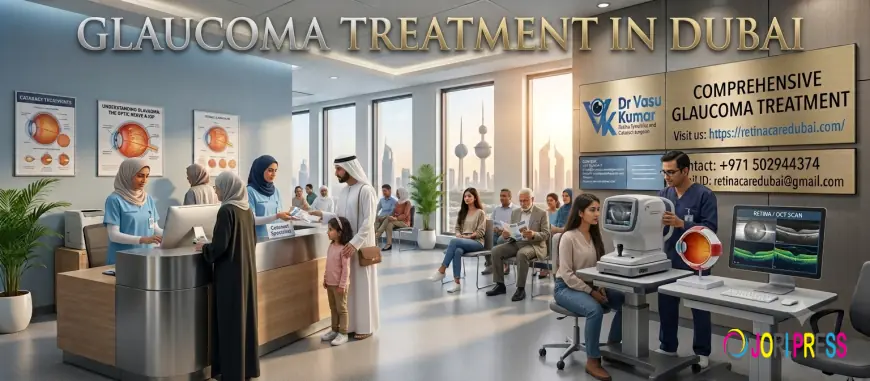
Introduction
Glaucoma is a group of eye conditions that can damage the optic nerve, which carries visual information from the eyes to the brain. It is often associated with increased pressure inside the eye, although glaucoma can also develop when eye pressure remains within the normal range. If left untreated, the condition may cause permanent vision loss.
Choosing the right glaucoma treatment in Dubai can help patients manage the condition, protect their remaining vision, and reduce the risk of further optic nerve damage. Early diagnosis, regular eye examinations, and an appropriate treatment plan are essential for long-term eye health.
With modern diagnostic technology and different treatment options available, patients can receive care tailored to their condition, eye pressure, and overall visual health.
What Is Glaucoma?
Glaucoma is a progressive eye disease that affects the optic nerve. In many cases, fluid inside the eye does not drain properly, leading to increased intraocular pressure (IOP). Over time, this pressure or other underlying factors can damage the optic nerve.
The condition often develops gradually without noticeable symptoms in its early stages. This is why routine eye examinations are particularly important, especially for people with risk factors.
There are several types of glaucoma:
-
Primary open-angle glaucoma: The most common type, which usually progresses slowly.
-
Angle-closure glaucoma: Occurs when the drainage angle becomes blocked. Sudden angle closure can be a medical emergency.
-
Normal-tension glaucoma: Optic nerve damage occurs even when eye pressure is within the statistically normal range.
-
Secondary glaucoma: Develops because of another eye condition, injury, medication, or underlying health problem.
-
Congenital glaucoma: A rare form present at birth or developing during early childhood.
Understanding the type of glaucoma helps an ophthalmologist determine the most suitable treatment approach.
Common Symptoms of Glaucoma
Many people with early-stage glaucoma experience no obvious symptoms. As the disease progresses, they may notice changes in their vision.
Common signs can include:
-
Gradual loss of peripheral or side vision
-
Difficulty noticing objects outside the central field of view
-
Blurred vision in some circumstances
-
Eye pain or redness in certain types of glaucoma
-
Halos around lights, particularly during an acute attack
-
Severe headache, nausea, or vomiting associated with sudden eye pressure elevation
Important: Sudden severe eye pain, a red eye, blurred vision, halos around lights, headache, or nausea may indicate acute angle-closure glaucoma. Seek emergency eye care immediately rather than waiting for a routine appointment.
Because glaucoma can remain unnoticed for years, screening is important even when your vision appears normal.
What Are the Available Glaucoma Treatment Options in Dubai?
The primary goal of glaucoma treatment is to lower eye pressure when appropriate, prevent further optic nerve damage, and preserve useful vision. Treatment depends on the type and severity of glaucoma, the patient's eye pressure, and the rate of disease progression.
1. Prescription Eye Drops
Eye drops are commonly used as an initial treatment for many types of glaucoma. Depending on the medication, they may reduce fluid production inside the eye or improve fluid drainage.
Common medication groups include prostaglandin analogues, beta-blockers, carbonic anhydrase inhibitors, and other pressure-lowering medicines.
Patients should use prescribed drops consistently and follow their ophthalmologist's instructions. Missing doses can make eye pressure harder to control.
2. Laser Treatment
Laser procedures can help improve fluid drainage or reduce fluid production inside the eye.
Common options include:
-
Selective laser trabeculoplasty (SLT): Helps improve drainage in suitable patients with open-angle glaucoma.
-
Laser peripheral iridotomy: Creates a small opening in the iris to help prevent or treat certain forms of angle closure.
-
Cyclophotocoagulation: Reduces fluid production in selected cases, particularly when other treatments have not achieved sufficient control.
Laser treatment may reduce the need for medication in some patients, but results vary. Follow-up examinations remain necessary after the procedure.
3. Glaucoma Surgery
When medication and laser treatment do not adequately control eye pressure, surgery may be recommended.
Surgical options include trabeculectomy, glaucoma drainage devices, and minimally invasive glaucoma surgery (MIGS). The appropriate procedure depends on disease severity, previous treatments, and individual eye anatomy.
Surgery aims to improve pressure control and protect the optic nerve from additional damage. It cannot restore vision already lost because of glaucoma.
4. Regular Monitoring and Follow-Up
Glaucoma treatment is an ongoing process. Regular follow-up appointments help determine whether eye pressure is controlled and whether the optic nerve remains stable.
Monitoring may include eye pressure measurements, optic nerve imaging, retinal nerve fibre layer scans, and visual field testing. Treatment can be adjusted when results indicate that additional intervention is needed.
How Is Glaucoma Diagnosed?
Accurate diagnosis is essential before selecting a treatment plan. An eye specialist may recommend several examinations to assess the optic nerve, drainage angle, and visual function.
| Diagnostic test | Purpose |
|---|---|
| Tonometry | Measures pressure inside the eye |
| Dilated eye examination | Examines the optic nerve for signs of damage |
| Optical coherence tomography (OCT) | Evaluates the optic nerve and retinal nerve fibre layer |
| Visual field test | Detects areas of reduced peripheral vision |
| Gonioscopy | Examines the drainage angle of the eye |
| Corneal thickness measurement | Helps interpret eye pressure measurements |
No single test can reliably rule out every case of glaucoma. Your specialist considers the examination findings, medical history, and test results together.
Who Is at Risk of Developing Glaucoma?
Although glaucoma can affect anyone, certain factors increase the likelihood of developing the condition.
These include:
-
Being over 40, with risk generally increasing with age
-
Having a family history of glaucoma
-
Having elevated intraocular pressure
-
Having certain anatomical features that increase the risk of angle closure
-
Having diabetes or other relevant health conditions
-
Previous eye injuries or certain eye surgeries
-
Long-term use of corticosteroid medication, particularly in susceptible individuals
People with these risk factors should discuss an appropriate screening schedule with an eye care professional.
How to Choose the Right Glaucoma Specialist in Dubai
Selecting an experienced ophthalmologist is an important step in managing glaucoma. Since the condition often requires lifelong monitoring, patients should look for a specialist who can provide consistent assessment and explain treatment options clearly.
Consider the following factors:
-
Relevant expertise: Look for an ophthalmologist experienced in diagnosing and managing different types of glaucoma.
-
Diagnostic facilities: Access to visual field testing, OCT imaging, and appropriate eye pressure measurements supports accurate assessment.
-
Individualised treatment: A suitable care plan should reflect your diagnosis, pressure levels, medical history, and treatment preferences.
-
Ongoing follow-up: Regular monitoring is essential for detecting progression and adjusting treatment.
-
Clear communication: Your specialist should explain medication instructions, potential side effects, expected outcomes, and alternative treatments.
Before starting treatment, ask how success will be measured, how often you will need follow-up examinations, and what to do if your symptoms change.
Tips for Protecting Your Vision After Glaucoma Diagnosis
Following your treatment plan consistently can make a meaningful difference in long-term glaucoma management.
-
Use prescribed eye drops at the recommended times.
-
Attend scheduled appointments, even when your vision seems unchanged.
-
Inform your ophthalmologist about all medications and supplements you take.
-
Ask your doctor to demonstrate the correct technique for applying eye drops.
-
Avoid stopping medication without professional advice.
-
Maintain a healthy lifestyle and manage existing medical conditions with appropriate clinical guidance.
-
Seek urgent medical attention if sudden eye pain, redness, or visual changes occur.
Remember that glaucoma-related vision loss is generally irreversible. The main objective of treatment is to preserve the vision you still have.
Frequently Asked Questions About Glaucoma Treatment in Dubai
1. Can glaucoma be cured?
Glaucoma generally cannot be cured, and existing optic nerve damage is usually permanent. However, medication, laser procedures, and surgery can help control eye pressure and reduce the risk of further vision loss.
2. What is the best treatment for glaucoma?
There is no single best treatment for every patient. Eye drops, laser therapy, or surgery may be appropriate depending on the type of glaucoma, disease severity, eye pressure, and response to previous treatment.
3. Is glaucoma treatment painful?
Most eye drops are easy to use, although some may cause temporary irritation. Laser procedures and surgery are generally performed with appropriate anaesthesia, but patients may experience temporary discomfort or other side effects during recovery.
4. Can glaucoma cause blindness?
Yes. If glaucoma progresses without effective management, it can cause severe and permanent vision loss, including blindness. Early diagnosis and consistent treatment can help reduce this risk.
5. How often should I have a glaucoma eye examination?
The recommended interval depends on your age, risk factors, examination findings, and whether glaucoma has already been diagnosed. Patients with glaucoma may need more frequent monitoring than people attending routine screening. Your ophthalmologist can recommend an appropriate schedule.
6. Is glaucoma treatment lifelong?
Many patients require long-term treatment and regular monitoring. The specific approach may change over time depending on eye pressure, optic nerve health, and how the condition responds to medication, laser therapy, or surgery.
What's Your Reaction?
 Like
0
 Dislike
0
 Love
0
 Funny
0
 Angry
0
 Sad
0
 Wow
0