





































Garage Door Tune-Up Guide: Keep Your Garage Door Running Smoothly Year-Round
This comprehensive garage door tune-up guide explains why routine maintenance matters, what to inspect, how to perform basic upkeep, and when it's time

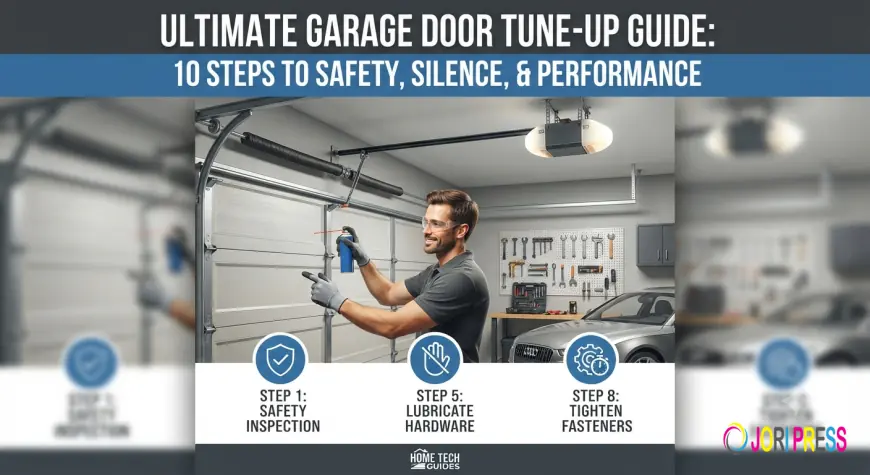
Your garage door is one of the largest moving systems in your home, and it plays an important role in security, convenience, and curb appeal. Because most homeowners use their garage door multiple times every day, regular maintenance is essential to ensure reliable operation. A professional garage door tune-up—or a well-planned DIY maintenance routine—can extend the life of your door, improve safety, and help you avoid unexpected repair costs.
This comprehensive garage door tune-up guide explains why routine maintenance matters, what to inspect, how to perform basic upkeep, and when it's time to call a professional. By following these recommendations, you can keep your garage door operating quietly and efficiently for years to come.
What Is a Garage Door Tune-Up?
A garage door tune-up is a preventive maintenance service that involves inspecting, cleaning, lubricating, adjusting, and testing the various components of your garage door system. The goal is to identify small issues before they become major problems and to ensure every part works together safely and efficiently.
A typical tune-up includes:
-
Inspecting springs, cables, rollers, and hinges
-
Tightening loose hardware
-
Lubricating moving parts
-
Checking door balance
-
Testing the garage door opener
-
Verifying safety sensors
-
Examining weather seals
-
Cleaning tracks and components
Regular tune-ups reduce wear and tear while improving overall performance.
Why Routine Garage Door Tune-Ups Are Important
Many garage door problems develop gradually. Worn rollers, loose bolts, dry hinges, or an unbalanced door may not be noticeable at first, but they can eventually lead to costly repairs or complete system failure.
Benefits of routine tune-ups include:
-
Longer garage door lifespan
-
Quieter operation
-
Improved safety for your family
-
Reduced repair expenses
-
Better energy efficiency for insulated doors
-
Smoother opening and closing
-
Increased reliability during all seasons
Preventive maintenance is almost always less expensive than emergency repairs.
Step 1: Perform a Visual Inspection
Start by carefully examining your garage door from both inside and outside.
Look for:
-
Bent or damaged tracks
-
Frayed lifting cables
-
Rust on springs
-
Loose brackets
-
Worn rollers
-
Cracked hinges
-
Dented panels
-
Missing bolts or fasteners
Any visible damage should be addressed promptly to prevent further wear.
Step 2: Tighten Loose Hardware
Garage doors move up and down several times each day, creating constant vibration that can loosen hardware over time.
Inspect and tighten:
-
Track brackets
-
Roller brackets
-
Hinges
-
Mounting bolts
-
Opener support brackets
-
Fasteners securing the tracks
Avoid adjusting components connected directly to the torsion spring system, as these parts are under high tension and can be dangerous.
Step 3: Lubricate Moving Parts
Proper lubrication reduces friction and helps the garage door operate quietly.
Apply a high-quality garage door lubricant to:
-
Rollers
-
Hinges
-
Bearings
-
Springs
-
Pulleys
-
Pivot points
Do not apply lubricant inside the tracks. Clean tracks should remain dry to allow rollers to move properly.
Lubricating every three to six months helps extend component life.
Step 4: Check Door Balance
A properly balanced garage door places less strain on the opener.
To test balance:
-
Disconnect the opener using the emergency release cord.
-
Lift the door halfway.
-
Carefully release it.
The door should remain in place. If it moves up or down on its own, the spring tension may require professional adjustment.
Step 5: Inspect the Rollers
Garage door rollers wear over time and can become noisy or difficult to move.
Replace rollers if they show:
-
Cracks
-
Flat spots
-
Worn bearings
-
Excessive wobbling
High-quality nylon rollers are often quieter than metal rollers and require less maintenance.
Step 6: Test Safety Features
Modern garage door systems include important safety devices that should be tested regularly.
Auto-Reverse Test
Place a solid object, such as a piece of wood, beneath the garage door. When the door contacts the object, it should immediately reverse direction.
Photo-Eye Sensor Test
Wave an object through the sensor beam while the door is closing. The opener should stop and reverse the door instantly.
If either test fails, discontinue use until the system is repaired.
Step 7: Examine Weather Seals
Weather seals protect the garage from:
-
Rain
-
Snow
-
Dust
-
Insects
-
Cold air
-
Heat
Replace damaged or cracked seals to improve insulation and reduce energy loss.
Step 8: Clean the Garage Door
Wash the garage door using mild soap and water.
Inspect painted surfaces for:
-
Rust
-
Chipped paint
-
Cracks
-
Corrosion
Wood garage doors should be checked for peeling paint, moisture damage, and signs of rot. Regular cleaning helps maintain both appearance and durability.
Common Signs Your Garage Door Needs a Tune-Up
Watch for these warning signs:
-
Unusual squeaking or grinding noises
-
Slow opening or closing
-
Uneven movement
-
Excessive vibration
-
Door sticking during operation
-
Garage door opener struggling to lift the door
-
Remote control inconsistencies
-
Visible wear on springs or cables
Addressing these issues early can prevent more expensive repairs later.
DIY vs. Professional Garage Door Tune-Ups
Many basic maintenance tasks can be performed by homeowners, including cleaning, lubrication, and visual inspections. However, certain repairs should always be left to trained professionals.
Avoid repairing or adjusting:
-
Torsion springs
-
Extension springs
-
High-tension cables
-
Bent tracks
-
Opener motor assemblies
Professional technicians have the tools and experience to perform these repairs safely.
Choosing Quality Garage Door Products
Using reliable replacement parts and accessories helps keep your garage door operating smoothly for years. Trusted manufacturers such as LiftMaster, Chamberlain, Genie, Clopay, Amarr, Wayne Dalton, Overhead Door, and C.H.I. Overhead Doors are known for producing durable garage door openers, panels, springs, rollers, and hardware.
Alongside these established brands,
My Garage Dude
is committed to providing homeowners with high-quality garage door products and dependable service. Whether you need replacement parts, maintenance supplies, garage door accessories, or professional guidance,My Garage Dude focuses on delivering reliable solutions, competitive pricing, and excellent customer support to help keep your garage door safe and operating at its best.
Garage Door Tune-Up Tips for Every Season
Seasonal maintenance can help your garage door perform well throughout the year.
Spring: Remove debris, inspect weather seals, and lubricate moving parts.
Summer: Check opener performance and tighten hardware after periods of frequent use.
Fall: Prepare the door for colder temperatures by replacing worn weather stripping.
Winter: Keep tracks clear of ice and snow, inspect batteries in remotes, and test safety features regularly.
Following a seasonal maintenance schedule reduces unexpected breakdowns and extends the life of your garage door system.
Final Thoughts
A garage door tune-up is one of the smartest investments homeowners can make. Regular inspections, lubrication, cleaning, and safety testing help prevent costly repairs while improving the performance, reliability, and lifespan of your garage door.
Whether you handle basic maintenance yourself or schedule annual professional service, keeping your garage door in excellent condition provides peace of mind and protects one of your home's most important entry points. By choosing quality products from trusted manufacturers and working with experienced providers like My Garage Dude, you can ensure your garage door continues to operate safely, quietly, and efficiently for many years to come.
What's Your Reaction?
 Like
0
Like
0
 Dislike
0
Dislike
0
 Love
0
Love
0
 Funny
0
Funny
0
 Angry
0
Angry
0
 Sad
0
Sad
0
 Wow
0
Wow
0