

































From Bubble Wrap to Moving Boxes: Materials Gati Packers and Movers Use for Safe Packing
Explore packing materials used for safe relocation, from bubble wrap to moving boxes, with Gati Packers and Movers in Bengaluru.
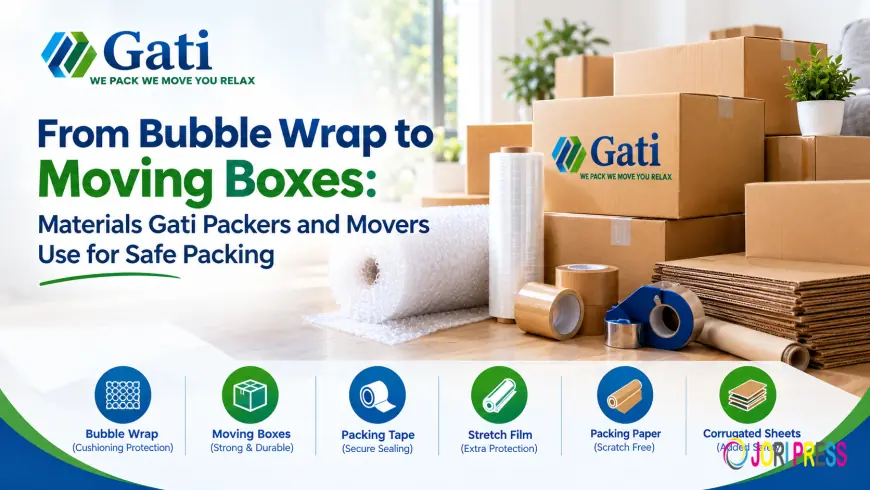
Moving to a new home is exciting, but packing your belongings safely can feel like solving a puzzle. From fragile glassware and electronic devices to bulky furniture and kitchen essentials, every item needs the right kind of protection. Have you ever wondered why professional movers use different packing materials instead of wrapping everything in cardboard? The answer lies in the level of protection each item requires. Gati Packers and Movers in Bengaluru follows a packing approach that considers the type of belongings, their size, and the distance they need to travel. Understanding these materials can help you prepare for a smoother and more organised relocation.
1. Why Packing Materials Matter During Relocation
Packing is more than putting things into boxes. Every item faces different challenges during a move, including vibration, pressure, dust, moisture, and accidental bumps. Without suitable protection, even a short journey can result in scratches, broken objects, or damaged furniture.
Think of packing materials as a protective shield around your belongings. Just as you would wear a helmet while riding a bike, your household goods need suitable protection while travelling in a moving vehicle.
The right materials help reduce the risk of damage, keep items organised, and make loading and unloading easier. Gati Packers and Movers in Bengaluru can help customers understand the packing requirements for different household goods, depending on the nature of their move and the services arranged.
2. Corrugated Moving Boxes for Household Goods
Corrugated cardboard boxes are among the most commonly used materials for household relocation. Their layered construction offers better strength than ordinary thin cardboard, making them suitable for carrying a wide range of everyday items.
Where are moving boxes useful?
-
Small boxes: Books, tools, kitchen utensils, and other heavy items.
-
Medium boxes: Clothing, toys, decorative pieces, and household accessories.
-
Large boxes: Lightweight items such as pillows, blankets, and soft furnishings.
-
Specialty boxes: Selected fragile, unusually shaped, or bulky belongings.
Choosing the correct box size is important. A box that is too large may allow objects to shift during transportation, while an overloaded box can become difficult to lift and may split under pressure.
For better protection, heavier items should generally be packed in smaller boxes, with lighter belongings placed in larger ones. Boxes should also be sealed properly and stacked according to their strength.
3. Bubble Wrap for Fragile Items
Bubble wrap is a familiar packing material made from plastic sheets containing small air-filled bubbles. These bubbles act as cushioning, helping absorb minor impacts and reducing direct contact between fragile objects.
Which items benefit from bubble wrap?
-
Glassware and decorative ornaments
-
Crockery and ceramic items
-
Picture frames and selected artwork
-
Small electronic accessories
-
Delicate decorative objects
Each item should be wrapped carefully, with additional cushioning around particularly vulnerable areas. Multiple fragile items should not be placed together without separators or sufficient padding.
Bubble wrap is especially useful when belongings may experience movement or vibration inside a box. However, it is not a guarantee against breakage, so appropriate boxes and careful handling remain essential.
4. Stretch Film for Surface Protection
Stretch film is a flexible plastic film that stretches around items to hold them together or protect exposed surfaces. It is frequently used when preparing furniture and grouped household goods for transportation.
Common uses of stretch film include:
-
Keeping drawers and removable parts in place when appropriate
-
Holding protective blankets around furniture
-
Bundling selected items together
-
Helping protect surfaces from dust and light dirt
Stretch film should be used thoughtfully. Wrapping certain surfaces too tightly may cause problems, particularly with delicate finishes. It should not be applied directly to sensitive wooden finishes, freshly painted surfaces, or materials that may react to prolonged contact with plastic.
For suitable items, stretch film adds an extra layer of protection and helps keep the packing arrangement secure throughout the journey.
5. Packing Paper for Delicate Belongings
Packing paper provides a useful alternative to wrapping every item in plastic. It is commonly used to separate household goods, fill small gaps, and protect objects from rubbing against one another.
Packing paper works well for:
-
Plates and bowls
-
Cups and mugs
-
Small decorative items
-
Kitchen accessories
-
Items that need light surface protection
Clean, unprinted packing paper is generally preferable for delicate belongings because printed paper may transfer ink. Each object should be wrapped individually when necessary, and empty spaces inside boxes should be filled with suitable cushioning.
For example, placing paper between stacked plates can help reduce direct contact. This simple step can make a meaningful difference when boxes are moved, tilted, or stacked during transportation.
6. Foam Sheets and Protective Padding
Foam sheets and padding materials offer cushioning for items that need a softer protective layer. They help reduce scratches and minimise the effects of minor knocks during handling.
Foam protection is useful for: glass panels, selected electronic components, decorative objects, and furniture with delicate surfaces.
The thickness and type of padding should match the item being packed. Thin foam sheets may be enough to prevent surface scratches, while fragile objects may need a combination of padding, a sturdy box, and additional internal cushioning.
Professional packing is not simply about using more material. It is about selecting the right combination of materials so that belongings remain stable without unnecessary pressure.
7. Furniture Blankets for Bulky Items
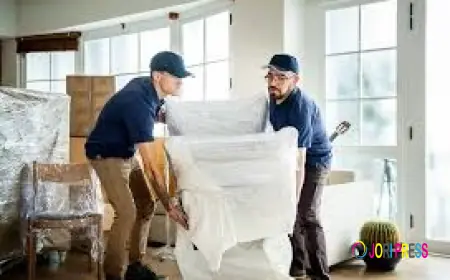
Large furniture pieces can be challenging to move through doorways, staircases, lifts, and narrow corridors. Sofas, dining tables, cupboards, and beds may develop scratches, dents, or chipped corners if they are not handled carefully.
Furniture blankets are thick protective coverings designed to cushion these items during handling and transportation.
They can help protect:
-
Wooden tables and cabinets
-
Sofas and armchairs
-
Bed frames and headboards
-
Selected appliances and large household items
Furniture blankets are often secured with straps or suitable wrapping materials. Where possible, removable components should be separated and packed safely.
Before packing, furniture should be inspected for loose parts and existing damage. Clear preparation makes loading easier and helps reduce the likelihood of accidental scratches.
8. Strong Packing Tape for Secure Sealing
Even a well-packed box can become unsafe if its flaps open during transportation. Packing tape helps secure box openings, reinforce suitable seams, and keep contents enclosed.
What should you look for in packing tape?
-
Strong adhesion to cardboard
-
Sufficient width for secure sealing
-
Resistance to peeling during normal handling
-
Compatibility with the packing surface
Heavy boxes may require reinforced sealing, especially along their bottom seams. However, tape should not be used as a substitute for a properly sized, structurally sound box.
For better results, packers should check the base, close the flaps evenly, and seal the box securely before labelling it. This simple process helps prevent accidental openings during loading and unloading.
9. Mattress and Sofa Covers for Upholstery
Mattresses and upholstered furniture can collect dust, dirt, and moisture during relocation. Special protective covers help keep these items cleaner while they are being carried and transported.
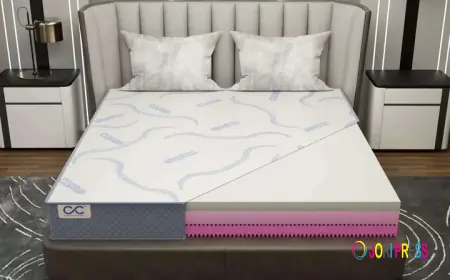
Mattress covers are designed to fit around mattresses, helping protect them from dust and contact with dirty surfaces. Sofa covers can protect upholstered seating from dirt, light splashes, and rubbing during handling.
Before wrapping, items should be dry. Sealing damp upholstery inside plastic can trap moisture and encourage unpleasant odours or mould growth.
Customers planning a move during Bengaluru's rainy season should pay particular attention to moisture protection. Covered loading areas, dry packing materials, and suitable transport arrangements can further reduce exposure to rain.
10. Specialised Packing for Electronics
Televisions, computers, printers, speakers, and other electronic devices need careful preparation because their screens, ports, and internal components can be sensitive to impact.
Important packing practices include:
-
Disconnecting cables and accessories before packing.
-
Using original packaging when it is available and suitable.
-
Protecting screens with appropriate cushioning.
-
Placing smaller accessories in clearly labelled bags.
-
Keeping devices dry and avoiding excessive pressure.
For televisions and monitors, a correctly sized box and suitable screen protection are particularly important. Computers and other sensitive devices should be packed to limit movement inside their containers.
Electronics should not be treated like ordinary household items. Their shape, weight, and fragility determine which combination of packing materials will offer suitable protection.
11. Labels and Markers for Easy Identification
Packing materials protect belongings physically, but labels help protect them through better organisation. When boxes are clearly marked, the moving team can identify their contents and handle them appropriately.
Useful labels include:
-
Fragile: For items that need careful handling.
-
This Side Up: For boxes that must remain in a particular position.
-
Room Name: Such as kitchen, bedroom, or living room.
-
Contents: A brief description of the items inside.
Avoid writing sensitive personal information on the outside of boxes. A room name and general contents description are usually sufficient.
A simple numbering system can also help you maintain an inventory. For example, Kitchen Box 1, Kitchen Box 2, and Bedroom Box 1 make it easier to check deliveries and locate essential items after reaching your new home.
12. Choosing the Right Packing Material
Not every item requires the same level of protection. The right choice depends on weight, shape, fragility, surface finish, and transportation conditions.
Here is a quick comparison of common packing materials:
|
Packing Material |
Main Purpose |
Suitable Items |
|
Corrugated boxes |
Containment and stacking |
Books, clothes, utensils |
|
Bubble wrap |
Impact cushioning |
Glassware, ornaments |
|
Stretch film |
Holding and surface protection |
Selected furniture and grouped items |
|
Packing paper |
Separation and light cushioning |
Crockery and accessories |
|
Foam sheets |
Scratch protection and padding |
Delicate surfaces and electronics |
|
Furniture blankets |
Protection during handling |
Sofas, tables, cupboards |
|
Packing tape |
Sealing boxes |
Cardboard cartons |
|
Protective covers |
Dust and dirt protection |
Mattresses and upholstered furniture |
For a move involving mixed household goods, several materials may be needed for a single item. A glass decoration, for instance, may require wrapping, cushioning, a sturdy box, and secure sealing.
The goal is to balance protection, practicality, and cost rather than using the same packing method for everything.
13. Eco-Friendly Packing and Responsible Disposal
Relocation can generate a surprising amount of waste. Cardboard boxes, plastic film, bubble wrap, and tape may accumulate quickly after unpacking.
Fortunately, a few thoughtful decisions can reduce this waste.
Consider these practical steps:
-
Reuse sturdy cardboard boxes when they remain clean and structurally sound.
-
Choose recyclable paper cushioning where suitable.
-
Avoid excessive wrapping when adequate protection can be achieved with less material.
-
Keep reusable blankets and protective covers for future moves.
-
Separate clean cardboard and recyclable materials after unpacking.
Not every packing material can be recycled through every local collection service. Bubble wrap and stretch film, for example, may require specialised collection rather than ordinary mixed recycling.
Customers can ask their moving company whether reusable packing materials are available and how used materials will be handled after the move.
14. How Professional Packing Makes Moving Easier
Packing a home independently can take days, particularly when there are fragile items, heavy furniture, or a large number of boxes. Professional packing teams can make the process more organised by matching materials to the belongings being moved.
When considering Gati Packers and Movers in Bengaluru, discuss the type of property, approximate number of rooms, special handling requirements, and destination. These details help establish what packing materials and services may be necessary.
Before confirming your booking, ask about the following:
-
Packing scope: Which belongings will be packed by the team?
-
Material quality: What types of boxes and protective materials will be used?
-
Special items: How will electronics, glassware, and furniture be protected?
-
Pricing: Are packing materials included in the quoted amount?
-
Insurance: What transit protection options are available, and what exclusions apply?
-
Unpacking: Is unpacking included or charged separately?
Clear communication helps avoid confusion on moving day. It also gives you a better understanding of the services covered by your quotation.
Remember that good packing is only one part of safe relocation. Proper lifting techniques, careful loading, secure stacking, and responsible transportation are equally important.
Conclusion
From corrugated boxes and bubble wrap to furniture blankets and protective covers, every packing material has a specific role in keeping household belongings safer during relocation. The best results come from choosing materials according to each item's weight, shape, and fragility rather than relying on a single packing method.
If you are planning a household move, understanding these materials can help you ask better questions, compare service quotations, and prepare your belongings more confidently. Gati Packers and Movers in Bengaluru is a relevant option to discuss for your relocation requirements, with the exact packing services and materials confirmed before booking.
Frequently Asked Questions
1. Which packing materials are commonly used for home shifting?
Common materials include corrugated cardboard boxes, bubble wrap, packing paper, foam sheets, stretch film, furniture blankets, packing tape, and protective covers. The selection depends on the type of belongings and the level of protection required.
2. Is bubble wrap necessary for every household item?
No. Bubble wrap is mainly useful for fragile or delicate items that need impact cushioning. Clothes, towels, and many soft furnishings can usually be packed in suitable bags or boxes without bubble wrap.
3. How do professional movers protect furniture during transportation?
Furniture can be protected with moving blankets, foam padding, suitable covers, and carefully secured wrapping. Removable parts may be separated, and furniture should be handled and loaded to reduce movement and contact with other items.
4. Does Gati Packers and Movers in Bengaluru include packing materials in its charges?
Packing material charges depend on the service package and quotation. Ask the company to confirm which materials, packing labour, loading, transportation, and unpacking services are included before booking.
5. How can I keep my belongings safe during a long-distance move?
Use strong boxes, appropriate cushioning, secure sealing, and clear labels. Keep fragile items separated, protect furniture surfaces, and ensure boxes are loaded securely. Discuss transit insurance and any special handling requirements with your moving company before the journey.
For more information -? +91 9422799477
What's Your Reaction?
 Like
0
Like
0
 Dislike
0
Dislike
0
 Love
0
Love
0
 Funny
0
Funny
0
 Angry
0
Angry
0
 Sad
0
Sad
0
 Wow
0
Wow
0