






































Why Fireplace Cleaning Is Important for Home Safety
Fireplace Cleaning 2025 Guide for Dallas Homes

Fireplace Cleaning 2025 Guide for Dallas Homes
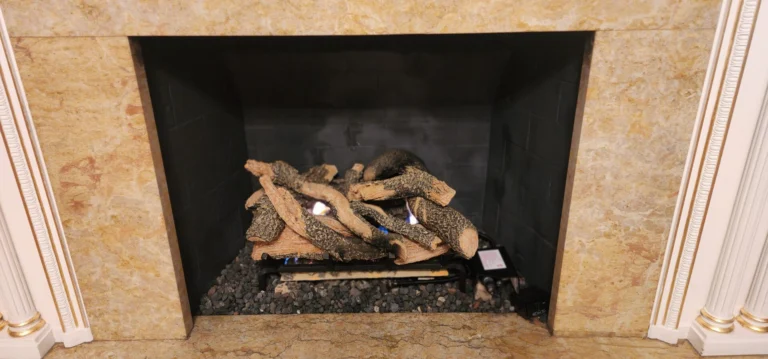
Fireplace cleaning is one of the most essential home safety tasks for Dallas homeowners who rely on a wood burning or gas
fireplace during colder months. A clean fireplace burns hotter, drafts better, produces less smoke, and significantly reduces
the risk of chimney fires. Whether you use your fireplace lightly or heavily, proper fireplace cleaning affects performance,
efficiency, and indoor air quality.
Many Dallas homes experience smoke issues, sour odors, poor burning performance, or cold downdrafts simply because the fireplace
has not been cleaned or inspected in over a year. This 2025 fireplace cleaning guide explains how fireplace cleaning works, how
to know when you need it, what professionals look for, and how to avoid costly repairs.
Table of Contents
1. What Fireplace Cleaning Really Includes
2. Why Fireplace Cleaning Matters for Home Safety
3. Signs You Need Fireplace Cleaning
4. How Often Dallas Homes Need Fireplace Cleaning
5. What Happens During Professional Fireplace Cleaning
6. Fireplace Components Checked During Cleaning
7. Fireplace Cleaning: Wood Burning vs Gas
8. Creosote Buildup: The Real Hidden Danger
9. Fireplace Cleaning Cost in 2025
10. How To Choose a Fireplace Cleaning Company
11. DIY Fireplace Cleaning: What Homeowners Can and Cannot Do
12. Fireplace Cleaning FAQ
13. Schedule Fireplace Cleaning in Dallas
1. What Fireplace Cleaning Really Includes
Fireplace cleaning is the process of removing soot, debris, ash, creosote, and obstructions from the firebox, smoke chamber,
and chimney flue. Many homeowners think fireplace cleaning is just scooping out ash, but it involves several detailed steps
that affect safety and airflow.
A complete fireplace cleaning service includes:
Firebox ash and soot removal
Cleaning the smoke chamber and smoke shelf
Removing creosote buildup inside the chimney flue
Clearing blockages such as bird nests or debris
Checking the damper for smooth operation
Inspecting masonry, mortar, liners, and metal components
When combined with chimney cleaning, the entire fireplace system is restored to safe and efficient operation.
2. Why Fireplace Cleaning Matters for Home Safety
Fireplaces produce heat, but they also create soot, creosote, and debris. Over time, these materials accumulate in the firebox
and chimney. If not removed, they can lead to serious safety risks.
Here is why fireplace cleaning matters:
Fire prevention. Creosote and soot are highly flammable.
Cleaner indoor air. A dirty fireplace can release smoke into your home.
Better performance. Clean fireplaces burn hotter and more efficiently.
Reduced carbon monoxide risk. Proper airflow prevents CO buildup.
Longer fireplace lifespan. Regular cleaning prevents severe damage.
3. Signs You Need Fireplace Cleaning
If you notice any of these signs, schedule fireplace cleaning before using the system again:
Smoke entering the room when lighting a fire
A strong odor from the fireplace even when unused
Black soot accumulation around the firebox
Difficulty keeping a fire lit
Excessive ash buildup in the firebox
Cold drafts from the chimney
Visible creosote inside the flue
Birds, animals, or nesting sounds
These symptoms indicate restricted airflow, creosote buildup, or mechanical issues inside the fireplace or chimney.
4. How Often Dallas Homes Need Fireplace Cleaning
The recommended frequency depends on how often you use your fireplace and what type it is.
Wood-burning fireplaces: once per year
Heavy winter use: every 6 months
Gas fireplaces: yearly inspection and cleaning
Homes burning wet or unseasoned wood: more frequent cleaning
If smoke performance changes suddenly, cleaning may be needed sooner.
5. What Happens During Professional Fireplace Cleaning
A trained fireplace cleaning technician follows a detailed and careful cleaning process to protect your home.
Step 1: Set Up Protection
Drop cloths and HEPA vacuums protect your home from soot.
Step 2: Remove Ash and Soot from Firebox
The firebox is cleaned thoroughly to remove ash and residue.
Step 3: Brush Smoke Chamber and Smoke Shelf
These areas collect heavy buildup and require deeper cleaning.
Step 4: Clean or Inspect the Chimney Flue
Proper draft depends on a clean chimney. Internal walls are scrubbed.
Step 5: Check the Damper
A jammed or rusted damper restricts airflow.
Step 6: Safety and Structural Inspection
Technician checks for cracks, loose mortar, rust, or water damage.
6. Fireplace Components Checked During Cleaning
Fireplace cleaning includes inspection of several key components:
Firebox walls and floor
Grate condition
Smoke chamber
Smoke shelf
Flue liner
Chimney cap
Damper
Masonry or metal structure
7. Fireplace Cleaning: Wood Burning vs Gas
Wood Burning Fireplaces
Produce soot, ash, creosote, and debris that must be removed yearly. More cleaning is required for heavy use.
Gas Fireplaces
Produce less soot but still require cleaning because of dust, venting issues, and potential blockages.
8. Creosote Buildup: The Real Hidden Danger
Creosote forms in three stages, each more dangerous than the last.
Stage 1: Loose soot that brushes off easily
Stage 2: Flaky creosote attached to flue walls
Stage 3: Hardened glazed creosote that is extremely flammable
Stage 3 creosote is a major fire hazard and often requires special tools or partial flue replacement.
9. Fireplace Cleaning Cost in 2025
Costs vary based on fireplace type, soot levels, and whether chimney cleaning is needed at the same time.
Standard fireplace cleaning: mid range pricing
Wood stove fireplace cleaning: slightly higher
Heavy soot and ash removal: higher range
Camera inspection: additional
Beware of very low advertised prices. Many skip critical steps or charge hidden fees.
10. How To Choose a Fireplace Cleaning Company
Before booking fireplace cleaning, always check for:
Clear descriptions of cleaning process
Real customer reviews
Use of HEPA vacuums and proper tools
Photo or video documentation
Local reputation and honest pricing
You can view a trusted Dallas provider here:
Emerson Chimney & Fireplace Dallas TX.
11. DIY Fireplace Cleaning: What Homeowners Can and Cannot Do
Here is what you can safely do:
Remove surface ash regularly
Clean the glass door (if applicable)
Vacuum loose debris with a shop vacuum
Check for visible cracks
You should not attempt the following:
Smoke chamber cleaning
Flue brushing
Creosote removal
Damper repairs
Removing nests or blockages
12. Fireplace Cleaning FAQ
Is fireplace cleaning messy?
No. Proper tools keep your home clean.
Do gas fireplaces need cleaning?
Yes. Dust and debris still restrict airflow.
How long does fireplace cleaning take?
Usually 45 to 90 minutes.
Can I skip fireplace cleaning if I rarely burn?
No. Creosote and nesting can still develop.
Is fireplace cleaning different from chimney cleaning?
Yes. Fireplace cleaning focuses on the firebox and smoke chamber, while chimney cleaning targets the flue and ventilation path.
13. Schedule Fireplace Cleaning in Dallas
If you need fireplace cleaning in Dallas, Emerson Chimney & Fireplace provides complete fireplace and chimney cleaning,
inspection, and repair services. Our team uses industry standard tools, HEPA filtration, and detailed photo documentation
to keep your fireplace operating safely.
Business Details:
Emerson Chimney & Fireplace
16135 Preston Rd Ste 105, Dallas, TX 75248
Phone: 469-212-7906
View on Google Maps
Yelp |
YouTube |
Google Site
What's Your Reaction?
 Like
0
Like
0
 Dislike
0
Dislike
0
 Love
0
Love
0
 Funny
0
Funny
0
 Angry
0
Angry
0
 Sad
0
Sad
0
 Wow
0
Wow
0