





































Fire Extinguishers: The Complete Authoritative Guide for Fire Safety and Protection
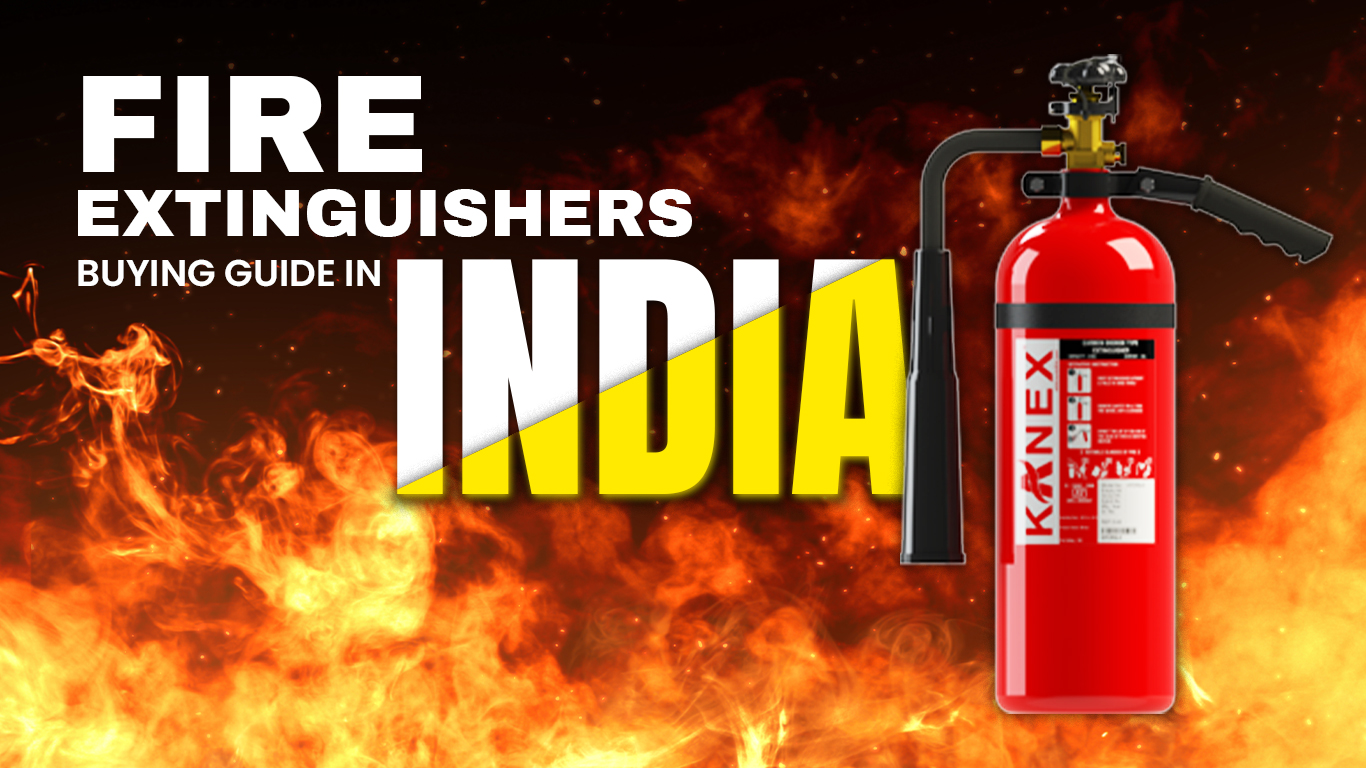
Fire extinguishers are essential fire safety tools. This complete guide explains types, uses, placement, and compliance for total fire protection.
Introduction to Fire Extinguishers
Fire extinguishers are a critical first line of defense against fire-related emergencies in residential, commercial, and industrial environments. We recognize that rapid response during the early stages of a fire can prevent catastrophic damage, save lives, and protect valuable assets. This comprehensive guide delivers accurate, actionable, and authoritative information on fire extinguishers, designed to meet compliance standards while enabling informed decision-making.
Understanding Fire Extinguishers and Their Purpose
Fire extinguishers are portable active fire protection devices engineered to suppress or extinguish small fires before they escalate. We emphasize their role in risk mitigation, regulatory compliance, and workplace safety planning. Proper selection, placement, and maintenance ensure reliable performance when seconds matter most.
Types of Fire Extinguishers and Their Applications
We classify fire extinguishers based on the class of fire they are designed to combat. Selecting the correct type is essential to ensure safety and effectiveness.
Class A Fire Extinguishers
Designed for fires involving ordinary combustible materials such as wood, paper, cloth, and plastics. These extinguishers commonly use water or foam to cool the burning material and eliminate heat.
Class B Fire Extinguishers
Effective against fires caused by flammable liquids including petrol, diesel, oils, solvents, and paints. Foam, dry chemical powder, or CO2 extinguishers are typically recommended for these hazards.
Class C Fire Extinguishers
Used for fires involving flammable gases such as LPG, propane, and butane. Dry powder extinguishers are preferred due to their rapid flame knockdown capability.
Class D Fire Extinguishers
Engineered for combustible metal fires, including magnesium, sodium, potassium, and aluminum powder. These specialized extinguishers use dry powder agents that safely absorb heat without reacting dangerously.
Class K Fire Extinguishers
Specifically designed for cooking oil and fat fires, commonly found in commercial kitchens. Wet chemical extinguishers are most effective, creating a soap-like layer that cools and smothers flames.
Common Fire Extinguisher Agents Explained
Understanding extinguishing agents helps ensure correct usage and compatibility with the fire risk.
-
Water-Based Agents: Ideal for Class A fires; cost-effective and environmentally friendly.
-
Foam Agents: Suitable for Class A and B fires; create a barrier between fuel and oxygen.
-
Dry Chemical Powder: Versatile for Class A, B, and C fires; fast-acting with wide coverage.
-
Carbon Dioxide (CO2): Clean agent for electrical and flammable liquid fires; leaves no residue.
-
Wet Chemical Agents: Specialized for Class K fires; highly effective in kitchen environments.
Fire Extinguisher Sizes and Ratings
Fire extinguishers are available in multiple capacities, typically ranging from 1 kg to 9 kg and beyond. We recommend selecting sizes based on area coverage, fire load, and risk assessment. Fire ratings such as 2A, 10B, or 40B indicate extinguishing capacity and should guide procurement decisions.
Correct Placement of Fire Extinguishers
Strategic placement ensures quick accessibility during emergencies. We follow best practices, including:
-
Installing extinguishers near exit routes
-
Mounting at visible and reachable heights
-
Positioning close to high-risk areas such as electrical panels and kitchens
-
Ensuring compliance with local fire safety regulations
How to Use a Fire Extinguisher Safely
Proper operation is essential for effectiveness. We recommend the universally accepted PASS method:
-
Pull the safety pin
-
Aim the nozzle at the base of the fire
-
Squeeze the handle steadily
-
Sweep from side to side
Training personnel on correct usage significantly increases fire response efficiency.
Inspection, Maintenance, and Refilling
Regular maintenance guarantees reliability. We implement scheduled inspections, including:
-
Monthly visual checks for pressure, seals, and damage
-
Annual professional servicing
-
Timely refilling and recharging after use or discharge
-
Hydrostatic testing as per manufacturer and regulatory requirements
Fire Extinguisher Compliance and Standards
Compliance with recognized standards ensures legal adherence and safety assurance. We align with certifications such as IS, EN, and NFPA standards, depending on jurisdiction. Proper documentation and certification validate operational readiness.
Fire Extinguishers for Residential, Commercial, and Industrial Use
Different environments require tailored solutions:
-
Residential: Compact, easy-to-use extinguishers for kitchens and garages
-
Commercial: Multi-risk coverage for offices, retail spaces, and hospitality
-
Industrial: Heavy-duty extinguishers designed for high-risk operations and hazardous materials
Benefits of Investing in Quality Fire Extinguishers
High-quality fire extinguishers provide:
-
Rapid fire suppression
-
Reduced property damage
-
Enhanced occupant safety
-
Regulatory compliance
-
Long-term cost efficiency
We prioritize durability, performance, and reliability to ensure dependable protection.
Choosing the Right Fire Extinguisher Supplier
Selecting a reputable supplier ensures authentic products, expert guidance, and after-sales support. We recommend evaluating suppliers based on certifications, service capabilities, and industry experience.
Conclusion
Fire extinguishers remain an indispensable component of comprehensive fire safety strategies. At Kanex Fire, we advocate informed selection, proper placement, and diligent maintenance to ensure optimal performance across all environments. A proactive approach to fire protection, supported by reliable solutions from Kanex Fire, safeguards lives, assets, and long-term operational continuity.
What's Your Reaction?
 Like
0
Like
0
 Dislike
0
Dislike
0
 Love
0
Love
0
 Funny
0
Funny
0
 Angry
0
Angry
0
 Sad
0
Sad
0
 Wow
0
Wow
0