







































Excitement as Over 4,192 Residents Receive Certificates of Customary Ownership in Rwenzori Sub-region

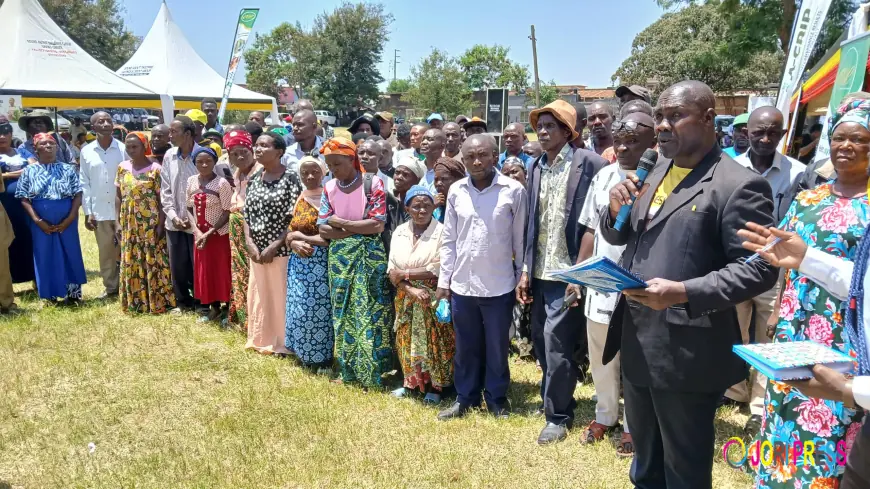
KASESE, UGANDA — A total of 4,192 people in the Rwenzori region have acquired Certificates of Customary Ownership (CCOs) during the 10th annual Land Awareness Week, in a major push to strengthen land rights, curb land grabbing and enable communities to use their land as an economic asset.
The week-long campaign, held from August 24–29, 2026, was spearheaded by Cordaid in partnership with the Ministry of Lands, Housing and Urban Development under the Agricultural Governance Results Improvement Project (A-GRIP).
The campaign was conducted under the theme, “Promoting Land Rights and Sustainable Land Use for Inclusive and Sustainable Development,” with activities targeting communities in the Rwenzori districts of Bunyangabu, Kabarole, Kamwenge and Kyenjojo.
The initiative comes at a time when insecure land ownership continues to expose smallholder farmers and other land users to disputes, land grabbing and the risk of losing property.
According to Ronnie Bashabe, Senior Expert in Result-Based Financing at Cordaid, securing land documentation gives communities greater confidence to invest in their land.
“For many beneficiaries, acquiring customary land certificates has provided renewed confidence that their land is legally recognized and can be protected from unsuspecting land grabbers,” Bashabe said.
He added that secure land tenure should be viewed not only as a legal matter but also as an important driver of agricultural productivity and household economic development.
“Land tenure security is fundamentally an economic productivity issue. When farmers hold legal documentation, they invest more confidently—planting perennial crops, adopting better soil-management practices, accessing credit and planning for the long term,” he said.
For beneficiaries, the certificates are already changing the way families view and use their land.
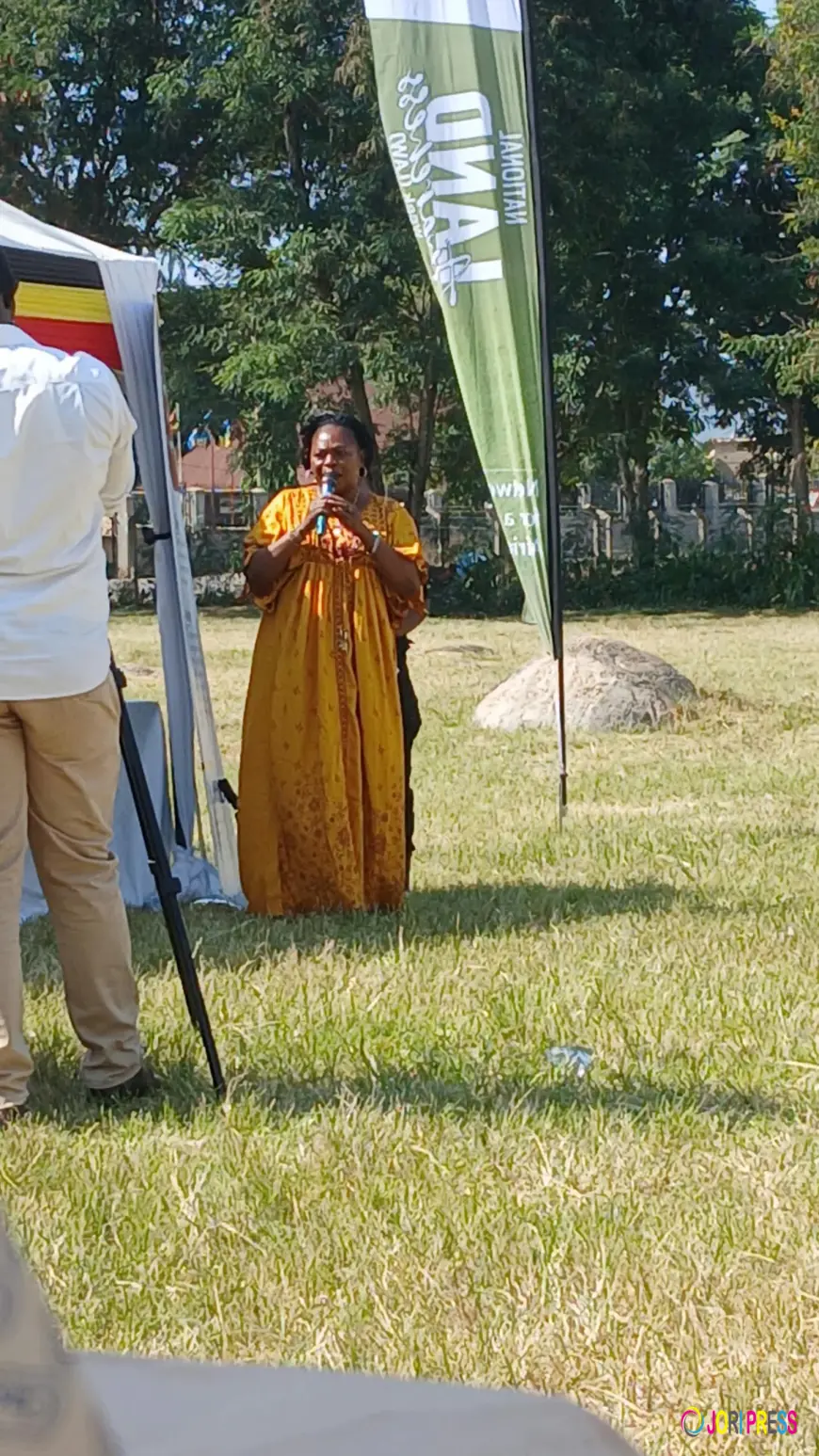
Doreen Nankunda, one of the beneficiaries, said obtaining the certificate had given her greater assurance over her property and opened up possibilities for investment.
“I now feel confident that the land is mine and that I can acquire a loan to develop my life and that of my family,” Nankunda said.
In Bunyangabu, one couple that recently received a joint Certificate of Customary Ownership used the documentation to secure a small loan and expand their coffee and banana plantation, while also installing simple water-harvesting structures.
The campaign also emphasized joint land registration, particularly as a way of strengthening women’s land rights. Under A-GRIP, at least 70 per cent of the targeted CCOs are expected to include women as co-owners.
Minister of State for Lands Harriet Ntabazi urged more landowners to take advantage of the programme, saying government is committed to taking land registration and titling services closer to communities.
“Many people have been saying acquiring a land title is very expensive, but now government has brought the opportunity closer to have a free land title in Rwenzori region,” Ntabazi stated.
She also warned individuals involved in fraudulent land transactions, particularly the practice of obtaining multiple titles for the same piece of land.
“Very many big people are fond of double titling of the same land but the law will catch up with them,” Ntabazi warned.
Ntabazi said people involved in double or fraudulent titling risk arrest, warning that such practices fuel land conflicts and undermine the security of legitimate landowners.
The Land Awareness Week also brought together key stakeholders, including PELUM Uganda, one of the human rights lead organisers, Justice Lawrence Tweyanze, Judge of the High Court in Kasese, Kasese District Woman Member of Parliament Sarah Ecungu, and other government and community representatives.
The programme featured community dialogues, mobile legal clinics, radio programmes and stakeholder engagements aimed at increasing public awareness about land rights and responsible land use.
A-GRIP is a five-year programme running from November 2023 to October 2028, funded by the Embassy of the Kingdom of the Netherlands and implemented by Cordaid in consortium with the Global Land Tool Network (GLTN) and ZOA, with technical support from the Ministry of Lands, Housing and Urban Development and the Ministry of Finance, Planning and Economic Development.
The project operates in 16 districts across five regions of Uganda—Busoga, Elgon, Kigezi, Lango and Rwenzori—and seeks to strengthen existing local government systems for land administration and agricultural extension.
Bashabe said secure land ownership is critical to unlocking the productive potential of Uganda’s land while protecting communities from disputes and illegal acquisition.
The organisers have called for continued collaboration between communities, local governments, land institutions and development partners to ensure more landowners understand their rights and obtain proper documentation.
With thousands of people now having greater security over their customary land, the campaign is positioning land documentation as more than proof of ownership—but as a foundation for investment, food security, household resilience and inclusive rural development.
What's Your Reaction?
 Like
0
Like
0
 Dislike
0
Dislike
0
 Love
0
Love
0
 Funny
0
Funny
0
 Angry
0
Angry
0
 Sad
0
Sad
0
 Wow
0
Wow
0