






































Ethanol Blended Petrol in India: Is It Bad for Your Car?
Is ethanol blended petrol bad for your car? Learn how E20 petrol affects mileage, injectors & engine health in India — and how to protect your BS6 car from ethanol-related damage.
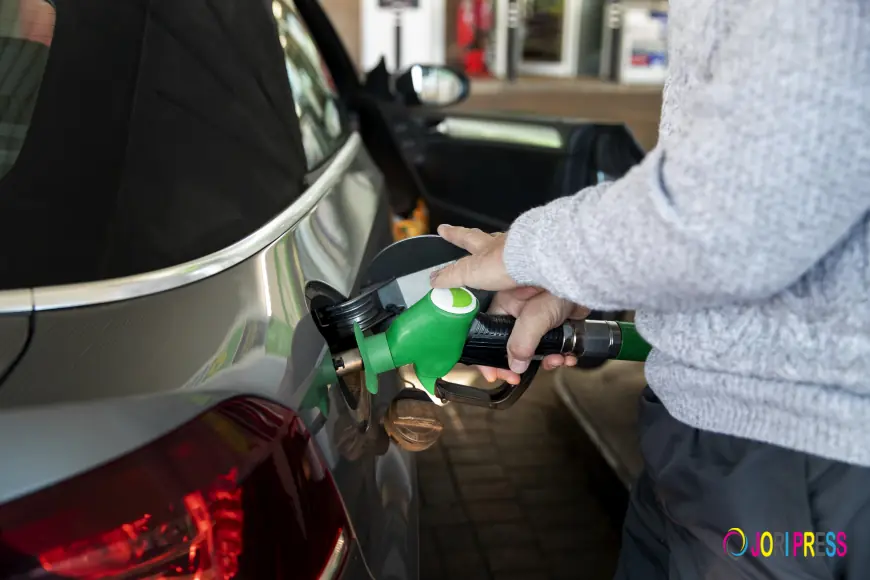
If you've recently been driving in India, your petrol tank likely contains ethanol-blended fuel due to the country's mandatory ethanol blending. E20 petrol, which includes 20% ethanol, is now the standard in many areas, with even higher blending targets on the horizon. So, is ethanol-blended petrol bad for your car? The answer is — it depends. In this guide, we’ll cover everything you need to know.
What Is Ethanol Blended Petrol?
Ethanol-blended petrol is regular petrol mixed with a percentage of ethanol — a biofuel made from fermented sugarcane, corn, or other agricultural materials.
In India, the current standard is E20 petrol, which means 20% ethanol and 80% regular petrol.
Before E20, India used:
- E5 — 5% ethanol blending
- E10 — 10% ethanol blending
And E20 ethanol petrol is now mandatory from April 2026 across all states and Union Territories — with a minimum RON 95 requirement.
Why Is Ethanol Added to Petrol in India?
Ethanol is added to petrol in India for three main reasons:
1. Reduce Crude Oil Imports: India imports over 85% of its crude oil, leading to significant costs. Blending petrol with domestically produced ethanol helps reduce this dependency.
2. Lower Carbon Emissions: Ethanol burns cleaner than fossil fuels, resulting in fewer carbon emissions and assisting India in meeting climate commitments.
3. Support Domestic Agriculture: Primarily made from sugarcane, ethanol supports the agricultural sector and provides farmers with an additional income source.
While the policy reasons are valid, it raises questions about the impact on car engines.
How Much Ethanol Is in Petrol in India?
Currently, the petrol ethanol percentage in India is:
Fuel Type Ethanol %Status
Regular Petrol 0% Being phased out
E10 10% Widely available
E20 20% Mandatory from April 2026
E85 85% Future — flex fuel vehicles
Most petrol pumps across India are now dispensing E20 petrol — so if you are filling up at a regular pump, you are already using ethanol-blended fuel.
Ethanol Blended Petrol Disadvantages — What Actually Happens to Your Engine
Here is where most Indian drivers need to pay attention.
Ethanol behaves very differently from regular petrol inside your engine. And while E20 is safe for most modern BS6 vehicles, it does come with real disadvantages that affect your car's performance and long-term health.
1. Mileage Drop of 5 to 10 Percent
This is the most noticeable disadvantage of ethanol-blended petrol for Indian drivers.
Ethanol has lower energy content than petrol — about 34% less energy per litre. So when your engine burns E20 fuel, it gets less energy from the same amount of fuel. The result is a drop in mileage — typically 5 to 10% compared to pure petrol.
If your car used to give 16 km/l, you might now be getting 14 to 15 km/l on E20. This is not a fault with your car — it is physics.
2. Faster Injector Deposit Buildup
Ethanol in petrol increases the rate at which carbon deposits form on fuel injectors. In an Indian city, driving — where engines run at low speeds for long periods — this buildup happens even faster.
Dirty injectors disrupt the fuel spray pattern — leading to incomplete combustion, rough idling, and further mileage loss.
3. Moisture Absorption
Ethanol is hygroscopic — meaning it naturally attracts and absorbs moisture from the surrounding air. This moisture enters your fuel system through the tank and can cause:
- Corrosion inside fuel lines and injectors
- Phase separation — where ethanol and petrol separate inside the tank
- Rough engine starts — especially after the car sits idle for several days
4. Corrosion Risk in Older Cars
For BS4 and older vehicles, ethanol can be more problematic. Older fuel system components, including rubber seals, gaskets, and fuel lines, were not designed with high ethanol content in mind. Prolonged exposure can cause degradation and leaks.
5. Engine Knocking in Some Vehicles
Some BS6 petrol cars — especially turbocharged engines — may experience increased engine knocking with E20 petrol if the engine management system does not fully compensate for the change in fuel properties.
Is Ethanol Blended Petrol Bad for Your Car?
E20 is not harmful to modern BS6 cars if they are well-maintained, as these engines are designed for it. However, it does introduce new challenges such as faster injector deposit buildup, potential mileage loss, increased moisture protection needs, and the necessity for more frequent fuel system cleaning. Proactive maintenance is key—drivers who stay ahead of these issues will avoid performance declines, while those who neglect them may experience problems over time.
Ethanol Fuel in India — Who Is Most Affected?
E20 petrol affects all petrol cars, but some drivers face more significant issues:
- Turbocharged petrol car owners (e.g., Hyundai Verna Turbo, Kia Seltos Turbo) are sensitive to fuel quality changes.
- High mileage car owners (over 50,000 km) experience accelerated injector deposits.
- City drivers face challenges with stop-and-go traffic, which worsens injector health with E20.
- Bike owners of performance models running at high RPMs are more affected by octane and ethanol changes.
- Owners of older BS4 cars are at greater risk for ethanol-related corrosion in their fuel systems.
How to Protect Your Car From Ethanol Blended Petrol Effects
The good news is that the disadvantages of ethanol-blended petrol can be significantly reduced with the right approach.
Use a Quality Fuel Additive for E20 Petrol
This is the most effective and affordable solution for most Indian drivers.
A good fuel additive for ethanol-blended petrol should include:
PEA-Based Injector Cleaner — removes carbon deposits caused by ethanol blending and restores injector spray pattern
Ethanol Stabilizer — prevents moisture absorption, reduces phase separation risk, and protects the fuel system from corrosion
Octane Improvement — compensates for combustion quality changes caused by ethanol blending
Corrosion Inhibitors — protect fuel lines, injectors, and tank from ethanol-related corrosion
Maintain Regular Service Intervals
With E20 petrol, sticking to service intervals becomes more important — especially spark plug checks and air filter cleaning.
Check Injectors More Frequently
Consider professional injector cleaning every 30,000 to 40,000 km — earlier than you would have with regular petrol.
Tripleshot Octane All-in-One — Best Solution for Ethanol Blended Petrol
Tripleshot Octane All-in-One is specifically formulated for Indian BS6 engines running on E20 ethanol petrol.
It combines everything your engine needs to handle ethanol-blended petrol:
Advanced PEA injector cleaning — removes ethanol-related carbon deposits
Octane improvement — restores combustion quality
Ethanol stabilizer — prevents moisture and corrosion damage
Corrosion inhibitors — protect the entire fuel system
Mileage improvement — partially recovers mileage lost due to E20
Smoother throttle response and engine performance
Safe for all BS4 and BS6 petrol engines
Compatible with E20 ethanol blended petrol
One 375ml bottle treats 40 to 60 litres of petrol. Add directly to your fuel tank before or after refuelling — and use regularly with every tank fill for continuous protection.
Frequently Asked Questions
What is ethanol-blended petrol?
Ethanol-blended petrol is regular petrol mixed with a percentage of ethanol biofuel. In India, E20 petrol containing 20% ethanol is now the mandatory standard from April 2026.
How much ethanol is in petrol in India?
Currently, Indian petrol contains 20% ethanol — known as E20. This is mandatory across all states and Union Territories from April 2026 with a minimum RON 95 rating.
Why is ethanol added to petrol in India?
Ethanol is added to petrol to reduce crude oil imports, lower carbon emissions, and support domestic sugarcane farming. India blends ethanol made primarily from sugarcane into petrol as part of its National Biofuel Policy.
Does ethanol blended petrol reduce mileage?
Yes, E20 petrol reduces mileage by approximately 5 to 10% because ethanol has a lower energy content than regular petrol. Using a quality fuel additive with an ethanol stabilizer helps recover some of this lost mileage.
What are the disadvantages of ethanol-blended petrol?
Main disadvantages include a mileage drop of 5-10%, faster injector deposit buildup, moisture absorption into the fuel system, corrosion risk in older vehicles, and potential engine knocking in some turbocharged cars.
Is ethanol-blended petrol safe for BS6 cars?
Yes, E20 petrol is safe for most modern BS6 vehicles. However, it does require more attention to fuel system maintenance — especially injector cleaning and moisture protection.
Key Takeaways
- E20 ethanol-blended petrol is mandatory in India from April 2026.
- Ethanol reduces oil imports, lowers emissions, and supports agriculture.
- E20 may reduce mileage by 5-10% and has disadvantages like injector deposits and corrosion risks.
- Modern BS6 cars can use E20 safely, but require proactive maintenance.
- A quality fuel additive like Tripleshot Octane All-in-One can address E20-related issues for Indian BS6 engines.
What's Your Reaction?
 Like
0
Like
0
 Dislike
0
Dislike
0
 Love
0
Love
0
 Funny
0
Funny
0
 Angry
0
Angry
0
 Sad
0
Sad
0
 Wow
0
Wow
0