








































Endometriosis Doctor in Gurgaon | Symptoms, Causes, Diagnosis and Treatment
Looking for an Endometriosis Doctor in Gurgaon? Learn about endometriosis symptoms, causes, diagnosis, treatment options, fertility concerns, laparoscopic treatment, and when to consult a gynecologist.

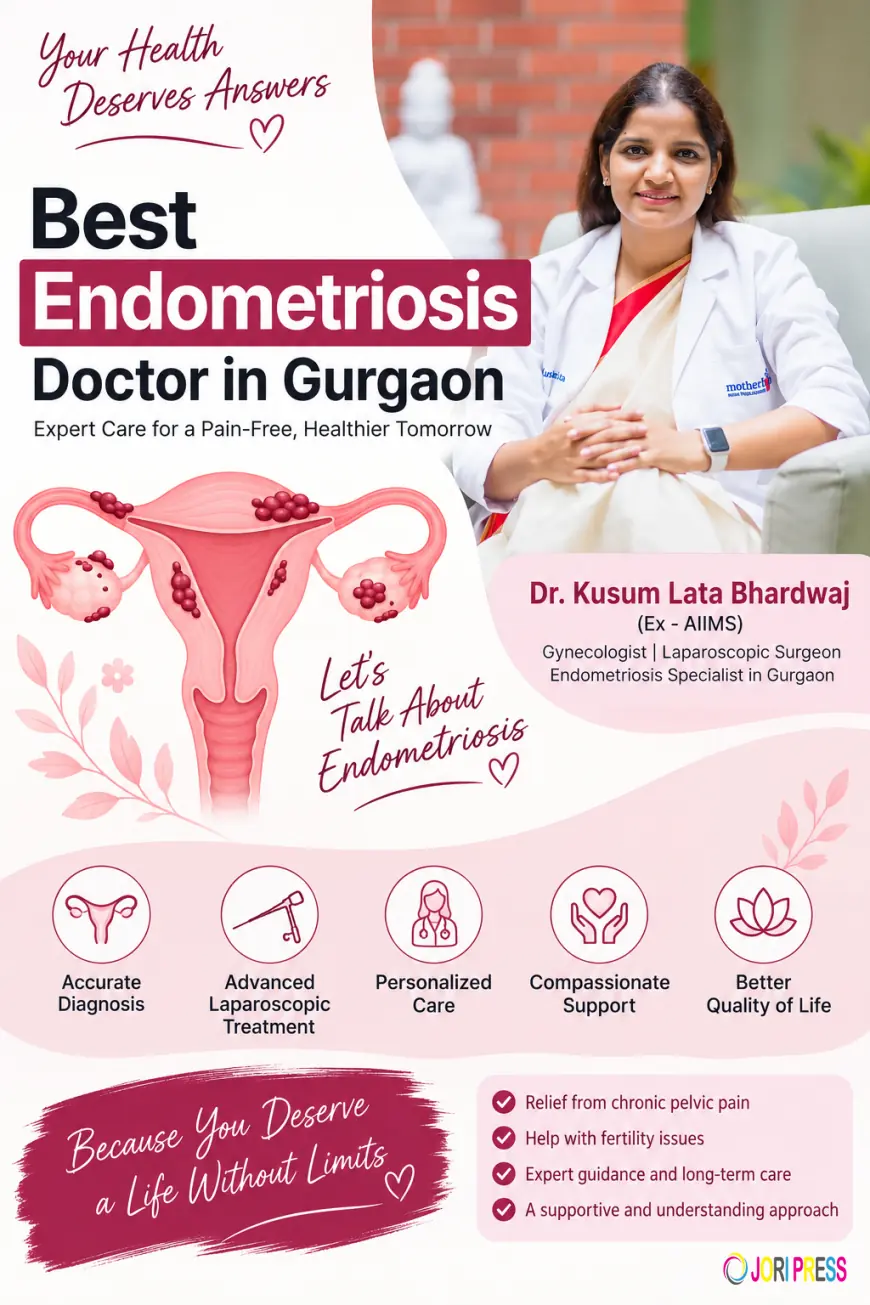
Endometriosis is a gynecological condition that can cause significant pain and discomfort, particularly around the menstrual cycle. It occurs when tissue similar to the lining of the uterus grows outside the uterus. This tissue can affect areas such as the ovaries, fallopian tubes, and surrounding pelvic structures.
For some women, symptoms may be mild, while others may experience severe period pain, pelvic discomfort, painful bowel movements, or difficulty becoming pregnant. Because symptoms can sometimes resemble other gynecological conditions, getting an appropriate medical evaluation is important.
If you are searching for an Endometriosis Doctor in Gurgaon, understanding the symptoms, causes, diagnosis, and available treatment options can help you make an informed decision about seeking medical care.
What Is Endometriosis?
Endometriosis is a condition in which tissue similar to the endometrium develops outside the uterus. Unlike the normal uterine lining, this tissue has no natural way to leave the body during menstruation.
Over time, inflammation and scar tissue may develop. Endometriosis can affect the ovaries, fallopian tubes, pelvic lining, and other nearby areas.
The condition can vary considerably from one woman to another. Some women have extensive endometriosis with relatively few symptoms, while others may experience significant pain even when the disease appears less extensive.
1. What Are the Common Symptoms of Endometriosis?
The symptoms of endometriosis can differ from person to person.
Common symptoms may include:
- Severe or worsening period pain
- Chronic pelvic pain
- Pain before or during menstruation
- Pain during bowel movements, particularly around periods
- Pain while urinating during menstruation
- Heavy or irregular menstrual bleeding
- Lower back pain
- Fatigue
- Difficulty becoming pregnant
- Abdominal discomfort
Having painful periods does not necessarily mean you have endometriosis. However, pain that interferes with daily activities should not simply be ignored.
2. What Causes Endometriosis?
The exact cause of endometriosis is not fully understood. Researchers have proposed several possible explanations, including menstrual blood flowing backward through the fallopian tubes, genetic factors, immune-system responses, and transformation of certain cells.
Endometriosis is not caused by one single factor in every patient.
A gynecologist can consider your symptoms, medical history, menstrual pattern, and other factors when evaluating the possibility of endometriosis.
3. How Is Endometriosis Diagnosed?
Diagnosis usually begins with a detailed discussion about symptoms and medical history.
Your doctor may ask about:
- The severity and timing of period pain
- Menstrual bleeding patterns
- Pelvic pain
- Previous treatments
- Fertility concerns
- Family history
- Bowel or urinary symptoms
Depending on the situation, the doctor may recommend a pelvic examination, ultrasound, MRI, or other investigations.
In some cases, laparoscopy may be used to directly examine the pelvic area and treat endometriosis when appropriate.
4. Can Endometriosis Affect Fertility?
Endometriosis can be associated with fertility difficulties in some women. Inflammation, scar tissue, ovarian involvement, and changes around the reproductive organs may contribute to fertility problems.
However, having endometriosis does not mean that pregnancy is impossible.
Treatment and fertility planning depend on factors such as age, symptoms, disease severity, ovarian reserve, and pregnancy goals. Women concerned about fertility should discuss their options with a gynecologist or fertility specialist.
5. What Treatment Options Are Available?
Treatment depends on the severity of symptoms, location of endometriosis, age, fertility plans, and individual health needs.
Treatment options may include:
- Pain-relieving medicines
- Hormonal treatment
- Monitoring in selected cases
- Laparoscopic surgery
- Fertility-focused treatment when required
Laparoscopic surgery may be considered when symptoms are significant, endometriosis affects fertility, or medication does not provide adequate relief.
Your doctor can explain the potential benefits and risks of each treatment option.
6. When Should You See an Endometriosis Doctor?
Consider consulting a gynecologist if period pain is severe enough to interfere with work, studies, exercise, sleep, or everyday activities.
You should also seek medical advice if you experience persistent pelvic pain, painful periods that are becoming worse, difficulty conceiving, unusually heavy bleeding, or recurring symptoms despite treatment.
Early evaluation may help identify the cause of persistent pelvic pain and allow appropriate management.
Frequently Asked Questions
1. Is severe period pain normal?
Mild discomfort during periods can be common, but severe or worsening pain that interferes with daily life should be evaluated by a healthcare professional.
2. Can endometriosis be cured?
There is currently no single treatment that guarantees permanent elimination of endometriosis in every patient. Treatment focuses on controlling symptoms, managing the disease, and addressing individual goals such as fertility.
3. Can endometriosis cause infertility?
Endometriosis can affect fertility in some women, but many women with endometriosis are able to conceive. Individual fertility outcomes vary.
4. Is surgery always required for endometriosis?
No. Treatment depends on symptoms, disease characteristics, fertility plans, and individual circumstances. Some women may be managed with medication, while others may benefit from surgery.
5. What is laparoscopic treatment for endometriosis?
Laparoscopy is a minimally invasive surgical technique that uses small incisions and a camera to examine the pelvic area. When appropriate, endometriosis lesions or scar tissue may be treated during the procedure.
6. When should I consult an Endometriosis Doctor in Gurgaon?
Consider consultation if you have severe period pain, persistent pelvic pain, painful bowel or urinary symptoms around menstruation, difficulty conceiving, or symptoms that are affecting your quality of life.
Conclusion
Endometriosis can affect women differently, and persistent pelvic pain or severe period pain should not simply be accepted as something every woman has to experience. Proper evaluation can help determine whether endometriosis or another gynecological condition may be responsible for the symptoms.
If you are searching for an Endometriosis Doctor in Gurgaon, Dr. Kusum Lata Bhardwaj, an experienced gynecologist and laparoscopic surgeon at Dr. Kusum Gynecology Centre, provides consultation and care for women dealing with endometriosis and related gynecological concerns. Discussing your symptoms with a qualified specialist can help you understand your condition and explore appropriate treatment options.
What's Your Reaction?
 Like
0
Like
0
 Dislike
0
Dislike
0
 Love
0
Love
0
 Funny
0
Funny
0
 Angry
0
Angry
0
 Sad
0
Sad
0
 Wow
0
Wow
0