





























Eco Packer Machine Features That Matter for Industrial Packaging
Explore the features that make an eco packer machine suitable for industrial packaging, including processing capability, productivity, flexibility, safety, and maintenance.
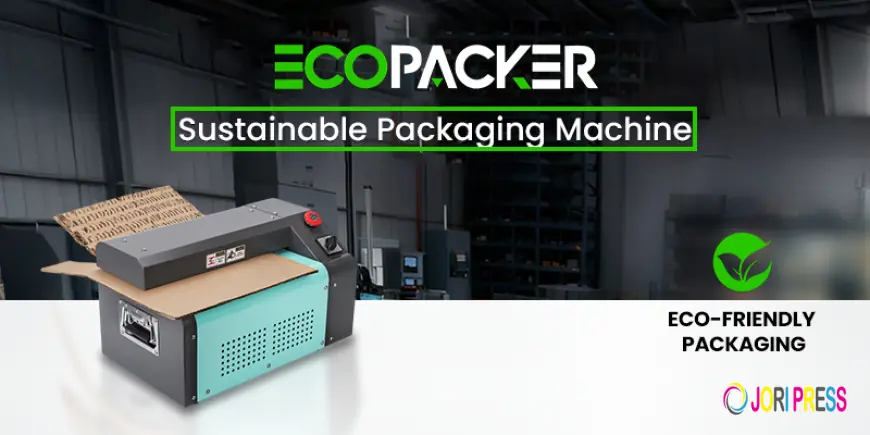
The process of packaging in the industrial sector is changing as firms try to find solutions that will help to guarantee that their processes of packaging are carried out effectively and without causing wastage of materials. Using a proper machine can assist in guaranteeing consistency in the procedure and ensure the utilization of the materials in the correct manner. Eco packaging machine can be used by the company where there are many products that need packaging in order to protect them from any form of damage. When choosing the best machine one should look beyond the basic use of the machine.
Why Machine Features Matter in Industrial Packaging
Industrial packaging environments often involve repetitive work, high production volumes, and different product sizes. A machine must therefore provide consistent performance throughout daily operations. A suitable eco packaging machine should simplify the preparation of protective packaging while maintaining reliable output.
Before investing in equipment, businesses should consider:
-
Production volume and required operating speed
-
Types and thicknesses of materials being processed
-
Available workspace and machine dimensions
-
Level of automation required
-
Operator safety and ease of use
-
Maintenance requirements and availability of spare parts
-
Energy consumption and long-term operating costs
These factors help businesses compare machines based on actual operational requirements rather than focusing on a single specification.
Material Compatibility and Processing Capability
Perhaps one of the key features of the machine is its capability to handle compatible packaging materials. Industrial clients can process various grades of paper or cardboard according to the type of operation they want to perform. This means that the machine should provide proper perforation, cutting, creasing or shaping without damaging the material excessively.
Material compatibility can directly affect packaging quality. If a machine cannot handle the required material thickness or dimensions, businesses may experience uneven processing, material waste, or frequent adjustments. An effective eco packaging machine should therefore be selected according to the materials regularly used in the facility.
Important material-related considerations include:
-
Supported material thickness
-
Maximum and minimum processing width
-
Feeding mechanism
-
Cutting or perforation accuracy
-
Adjustment flexibility
-
Consistency during continuous operation
Speed, Productivity, and Output Consistency
Production speed becomes increasingly important as packaging volumes increase. A machine that operates too slowly can create a bottleneck between manufacturing, warehousing, and dispatch operations. On the other hand, high speed is useful only when the machine can maintain consistent results.
An eco packer machine should provide a balance between operating speed and processing accuracy. Consistent output reduces the need for repeated manual adjustments and helps workers maintain a predictable workflow.
Businesses should look at:
-
Processing speed
-
Output per operating cycle
-
Continuous operating capability
-
Feeding consistency
-
Adjustment time between jobs
A machine that delivers stable performance can contribute to better productivity without forcing operators to compromise packaging quality.
Automation and Ease of Operation
The process of automation is likely to lessen the amount of repetition and increase efficiency when preparing the packages. The following are the various aspects which can be included in any type of machine depending on its design: automation of feeding, adjustable settings, control systems, sensors, or programming of operating parameters.
Nevertheless, the system of automation should not complicate the machine.
When evaluating an eco packer machine, check whether it offers:
-
User-friendly controls
-
Simple setup procedures
-
Easy adjustment of operating parameters
-
Clear displays or indicators
-
Safety sensors where required
-
Easy access to operating components
The right level of automation depends on production volume, workforce skills, and the type of packaging process being performed.
Safety and Maintenance Features
Industrial equipment should be designed with operator safety and routine maintenance in mind. Moving components, cutting mechanisms, and electrical systems require appropriate safeguards to reduce operational risks.
A practical machine should provide access to maintenance areas without making routine servicing unnecessarily difficult. Easy cleaning and inspection can also help maintain consistent performance over time.
Key considerations include:
-
Emergency stop functionality
-
Protective guards
-
Clearly accessible controls
-
Easy cleaning points
-
Accessible wear components
-
Straightforward lubrication or servicing procedures
Regular maintenance is equally important. Even a well-designed machine can experience performance problems if components are not inspected and maintained according to the manufacturer's recommendations.
Energy Efficiency and Operating Costs
The purchase price is only one part of the total cost of owning industrial packaging equipment. Electricity consumption, maintenance, replacement components, labor requirements, and downtime can significantly influence long-term expenses.
Businesses should therefore evaluate the machine's overall operating efficiency. An energy-efficient eco packaging machine may help control recurring operating costs when used regularly.
A complete cost evaluation should consider:
-
Power consumption
-
Maintenance frequency
-
Expected component life
-
Labor requirements
-
Downtime risks
-
Availability of technical support
This approach makes it easier to identify eco packaging solutions that provide practical value over the machine's working life rather than focusing only on the initial investment.
Machine Flexibility for Different Applications
Industrial packaging requirements can change as product ranges expand. A machine with adjustable settings can be more useful than equipment designed for only one specific packaging format.
Flexibility may include adjustable working widths, variable processing settings, compatibility with different material sizes, or the ability to handle different packaging requirements. This makes the equipment suitable for multiple applications and can reduce the need to purchase separate machines.
An eco packer machine with useful adjustment options can support changing production requirements while maintaining consistent packaging preparation.
How to Evaluate the Right Machine
Before purchasing equipment, businesses should compare technical specifications with their actual packaging workflow. A machine that looks advanced on paper may not necessarily be the best option for every facility.
A practical evaluation should include:
-
Current packaging volume
-
Expected future production growth
-
Material requirements
-
Available floor space
-
Required automation level
-
Maintenance and service support
-
Total operating cost
-
Operator training requirements
Businesses should also request technical documentation and understand installation requirements before making a final decision. Comparing these factors helps identify eco packaging solutions that are suitable for real industrial conditions.
Conclusion
In the selection of the right packaging equipment, many things need to be considered including performance, material suitability, automation, safety, maintenance, versatility, and operational cost among others. A machine that is considered as the best need not be the fastest and the most advanced machine but rather the one that corresponds with the production needs of the company and offers reliability. Firms in search of the latest equipment in packaging can learn about the different technologies and specifications available from ecopacker.co.in and choose machines suitable for their work accordingly.
FAQs
1. What is the most important feature to check in an industrial packaging machine?
Material compatibility and consistent processing are among the most important factors. The machine should handle the materials, sizes, and production volumes required by the business without frequent interruptions or quality issues.
2. Is automation necessary for industrial packaging?
Automation is not necessary for every operation, but it can be valuable in high-volume environments. Automated feeding, controls, and monitoring can reduce repetitive manual work and improve process consistency.
3. How does machine speed affect packaging operations?
Machine speed can influence overall production capacity. However, speed should be considered together with accuracy and consistency because a faster machine may not provide better results if it creates excessive waste or requires frequent adjustments.
4. What maintenance factors should businesses consider?
Businesses should check cleaning requirements, lubrication needs, replacement components, service intervals, and access to technical support. Machines that are easier to maintain can help reduce avoidable downtime.
5. How can businesses choose suitable Eco Packaging equipment?
Businesses should begin by evaluating their material type, production volume, workspace, automation needs, safety requirements, and long-term operating costs. Comparing these factors with machine specifications can help identify equipment suitable for their specific packaging process.
What's Your Reaction?
 Like
0
Like
0
 Dislike
0
Dislike
0
 Love
0
Love
0
 Funny
0
Funny
0
 Angry
0
Angry
0
 Sad
0
Sad
0
 Wow
0
Wow
0