


































Early Warning Signs of Stroke Everyone Should Know
Learn the early warning signs of stroke, risk factors, prevention tips, and when to seek emergency medical care. Early treatment can save lives and reduce disability.
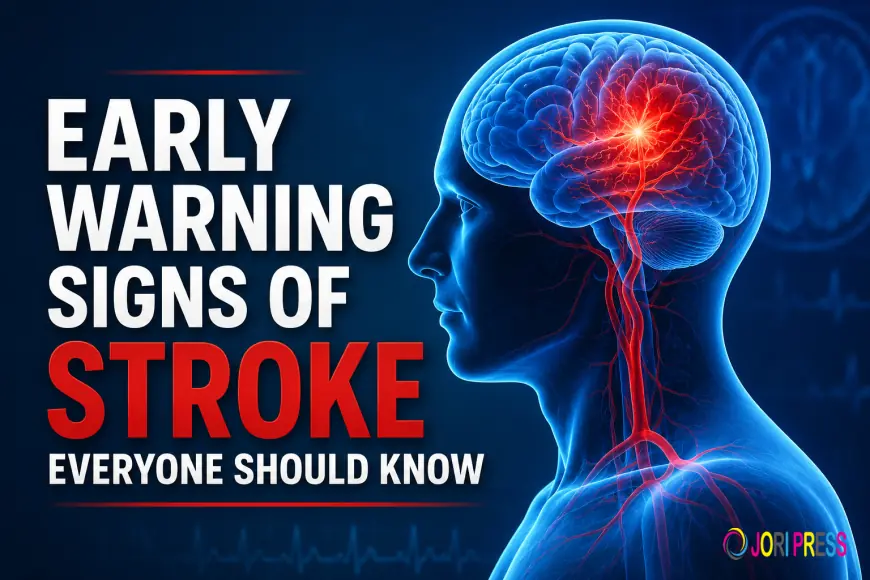
Stroke is one of the leading causes of death and long-term disability worldwide. The good news is that recognizing the early warning signs of stroke and seeking immediate medical attention can significantly improve recovery and reduce complications. Every minute counts because brain cells begin to die when blood flow is interrupted.
Understanding the symptoms of stroke could help save your own life or that of someone you love.
What Is a Stroke?
A stroke occurs when the blood supply to part of the brain is interrupted or reduced, depriving brain tissue of oxygen and nutrients. Within minutes, brain cells begin to die.
There are three main types of stroke:
- Ischemic Stroke: Caused by a blocked artery (most common).
- Hemorrhagic Stroke: Caused by bleeding in the brain.
- Transient Ischemic Attack (TIA): Often called a mini-stroke, it is a temporary blockage that serves as a warning sign for a future stroke.
Early Warning Signs of Stroke
Recognizing these symptoms quickly can make all the difference.
1. Sudden Weakness or Numbness
One of the earliest signs is sudden weakness or numbness in the face, arm, or leg, especially on one side of the body.
2. Face Drooping
Ask the person to smile. If one side of the face droops or feels numb, it may indicate a stroke.
3. Difficulty Speaking
Speech may become slurred, confused, or difficult to understand. The person may also struggle to find the right words.
4. Sudden Vision Problems
Blurred vision, double vision, or loss of vision in one or both eyes should never be ignored.
5. Trouble Walking
A person may suddenly lose balance, coordination, or experience dizziness without any obvious reason.
6. Severe Headache
A sudden, intense headache with no known cause, especially when accompanied by vomiting or confusion, may signal a hemorrhagic stroke.
7. Confusion
The individual may suddenly become confused or have difficulty understanding simple conversations.
Remember the FAST Rule
The FAST test helps identify stroke symptoms quickly.
- F – Face: Does one side droop?
- A – Arms: Can both arms be raised equally?
- S – Speech: Is speech slurred or unusual?
- T – Time: Call emergency medical services immediately.
Never wait to see if symptoms improve. Immediate medical care can greatly improve outcomes.
Who Is at Higher Risk?
Several factors increase the likelihood of stroke, including:
- High blood pressure
- Diabetes
- High cholesterol
- Smoking
- Heart disease
- Obesity
- Physical inactivity
- Excessive alcohol intake
- Family history of stroke
- Age over 55 years
Can Stroke Be Prevented?
Many strokes are preventable through healthy lifestyle choices.
- Keep blood pressure under control.
- Manage diabetes and cholesterol.
- Exercise regularly.
- Eat a balanced diet rich in fruits and vegetables.
- Maintain a healthy weight.
- Avoid smoking and limit alcohol.
- Take prescribed medications consistently.
- Schedule regular health checkups.
What Should You Do If You Suspect a Stroke?
If someone shows any warning signs:
- Call emergency medical services immediately.
- Note the exact time symptoms began.
- Do not give food, water, or medication unless instructed by healthcare professionals.
- Keep the person comfortable and monitor their condition until help arrives.
Why Acting Fast Matters
Stroke treatments are most effective within the first few hours after symptoms begin. Prompt medical intervention can:
- Reduce brain damage
- Improve recovery
- Lower the risk of permanent disability
- Increase survival rates
Frequently Asked Questions
Can stroke symptoms disappear?
Yes. Temporary symptoms may indicate a Transient Ischemic Attack (TIA), which is a medical emergency and requires immediate evaluation.
Can young adults have a stroke?
Yes. Although stroke is more common in older adults, it can occur at any age due to medical conditions or lifestyle factors.
Is every severe headache a stroke?
No. However, a sudden, severe headache accompanied by weakness, confusion, or vision changes requires immediate medical attention.
Final Thoughts
Recognizing the early warning signs of stroke can save lives and reduce long-term disability. Sudden weakness, facial drooping, speech difficulty, vision changes, balance problems, and severe headache should never be ignored. Remember the FAST rule and seek emergency medical care immediately if you suspect a stroke. Early diagnosis and treatment offer the best chance for recovery while minimizing permanent brain damage.
What's Your Reaction?
 Like
0
Like
0
 Dislike
0
Dislike
0
 Love
0
Love
0
 Funny
0
Funny
0
 Angry
0
Angry
0
 Sad
0
Sad
0
 Wow
0
Wow
0