





































Early Signs of Liver Disease: Symptoms You Should Never Ignore
Learn the early signs of liver disease, including fatigue, jaundice, abdominal pain, and unexplained weight loss. Discover common causes, risk factors, diagnosis, and when to seek medical care.
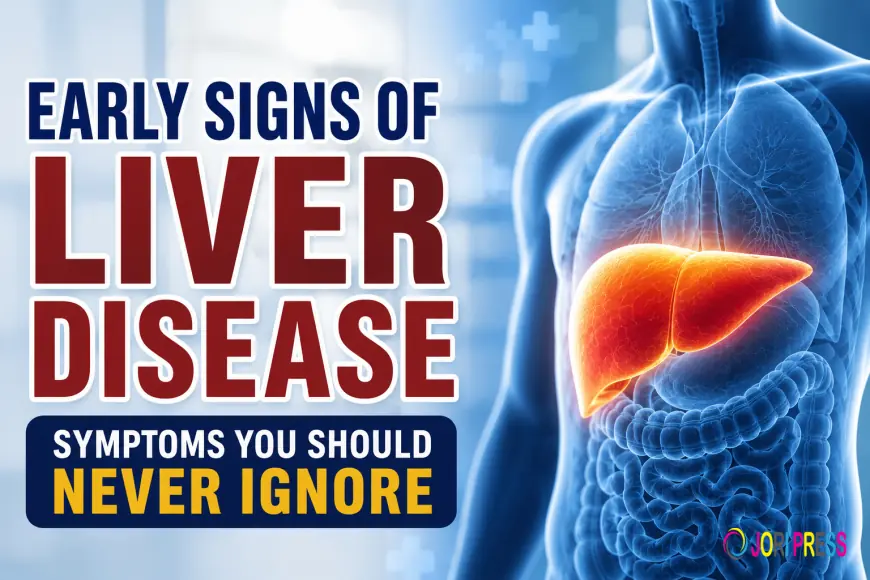
The liver is one of the hardest-working organs in the body. It performs hundreds of essential functions, including filtering toxins, processing nutrients, producing bile for digestion, storing energy, and supporting the immune system. Despite its remarkable ability to regenerate, the liver can become damaged over time due to unhealthy lifestyle habits, infections, alcohol consumption, obesity, or certain medical conditions.
One of the biggest challenges with liver disease is that it often develops silently. Many people experience mild or vague symptoms that are easy to overlook until the condition becomes more advanced. Recognizing the early warning signs and seeking medical attention promptly can help prevent serious complications and improve treatment outcomes.
In this article, we'll discuss the early signs of liver disease, common causes, risk factors, diagnosis, treatment options, and practical tips for keeping your liver healthy.
What Is Liver Disease?
Liver disease refers to any condition that affects the normal functioning of the liver. It can be temporary or long-term and ranges from mild inflammation to severe liver damage.
Common types of liver disease include:
- Fatty liver disease
- Alcohol-related liver disease
- Viral hepatitis
- Liver fibrosis
- Cirrhosis
- Autoimmune liver disease
- Liver cancer
Early diagnosis plays a crucial role in preventing irreversible liver damage.
Why Early Detection Matters
The liver has an incredible ability to compensate for damage, which is why symptoms often appear only after significant injury has occurred. Identifying problems early allows doctors to treat the underlying cause before permanent damage develops.
Benefits of early diagnosis include:
- Better treatment outcomes
- Reduced risk of liver failure
- Prevention of complications
- Improved quality of life
- Easier lifestyle management
Early Signs of Liver Disease
1. Persistent Fatigue
Feeling tired all the time without a clear reason is one of the earliest signs of liver disease.
People may experience:
- Low energy levels
- Difficulty concentrating
- Weakness
- Feeling exhausted even after adequate rest
Although fatigue has many possible causes, persistent tiredness should not be ignored.
2. Loss of Appetite
A damaged liver can affect digestion and metabolism, leading to reduced appetite.
You may notice:
- Feeling full quickly
- Reduced interest in food
- Skipping meals unintentionally
This symptom may gradually contribute to nutritional deficiencies.
3. Unexplained Weight Loss
Losing weight without changes in diet or physical activity can sometimes indicate liver disease.
Possible reasons include:
- Poor nutrient absorption
- Reduced appetite
- Chronic inflammation
Any unexplained weight loss deserves medical evaluation.
4. Nausea and Vomiting
Frequent nausea may occur because the liver is unable to process toxins efficiently.
Some people also experience:
- Vomiting
- Indigestion
- General stomach discomfort
Persistent symptoms should be evaluated by a healthcare professional.
5. Pain or Discomfort in the Upper Right Abdomen
The liver is located in the upper right side of the abdomen.
Liver disease may cause:
- Dull aching pain
- Feeling of fullness
- Tenderness below the ribs
Persistent abdominal discomfort should not be ignored.
6. Yellowing of the Skin and Eyes (Jaundice)
Jaundice is one of the most recognizable signs of liver disease.
It occurs when bilirubin builds up in the bloodstream, causing:
- Yellow eyes
- Yellow skin
- Dark-colored urine
- Pale stools
Jaundice requires immediate medical evaluation.
7. Swelling in the Legs or Abdomen
As liver function declines, fluid may accumulate in the body.
This can cause:
- Swollen ankles
- Leg swelling
- Abdominal swelling (ascites)
These symptoms often indicate more advanced liver disease.
8. Itchy Skin
Persistent itching without an obvious skin condition may be related to liver problems.
The itching can be:
- Widespread
- Worse at night
- Resistant to common skin creams
This occurs due to the buildup of bile salts in the bloodstream.
9. Easy Bruising or Bleeding
The liver produces proteins needed for blood clotting.
When liver function decreases, you may notice:
- Frequent nosebleeds
- Easy bruising
- Bleeding gums
- Prolonged bleeding after minor injuries
These symptoms should be assessed promptly.
10. Dark Urine and Pale-Colored Stools
Changes in urine and stool color may indicate bile flow problems.
Watch for:
- Dark brown urine
- Clay-colored stools
- Persistent color changes
These signs warrant medical attention.
Common Causes of Liver Disease
Several factors can contribute to liver damage, including:
- Fatty liver disease
- Excessive alcohol consumption
- Viral hepatitis (Hepatitis B and C)
- Obesity
- Diabetes
- High cholesterol
- Certain medications
- Autoimmune disorders
- Genetic conditions
Identifying the underlying cause is essential for appropriate treatment.
Who Is at Higher Risk?
You may have an increased risk of liver disease if you:
- Are overweight or obese
- Have diabetes
- Drink alcohol excessively
- Have high cholesterol
- Have viral hepatitis
- Have a family history of liver disease
- Lead a sedentary lifestyle
- Consume a diet high in processed foods
Regular health check-ups are especially important for people with these risk factors.
How Liver Disease Is Diagnosed
A doctor may recommend one or more of the following tests:
- Liver function tests (LFTs)
- Complete blood tests
- Ultrasound of the abdomen
- FibroScan (when indicated)
- CT scan or MRI
- Viral hepatitis screening
- Liver biopsy in selected cases
The choice of tests depends on your symptoms and medical history.
Can Liver Disease Be Treated?
Treatment depends on the cause and severity of the condition. It may include:
- Lifestyle changes
- Weight management
- A balanced diet
- Regular exercise
- Avoiding alcohol
- Medications for specific liver diseases
- Treatment of viral hepatitis
- Monitoring and follow-up for chronic conditions
Early treatment can slow or even reverse some forms of liver damage, such as fatty liver disease.
Tips to Keep Your Liver Healthy
Protect your liver with these healthy habits:
- Eat plenty of fruits, vegetables, and whole grains.
- Limit processed, sugary, and high-fat foods.
- Exercise regularly.
- Maintain a healthy weight.
- Avoid excessive alcohol consumption.
- Take medications only as prescribed.
- Stay vaccinated against hepatitis when appropriate.
- Drink enough water.
- Get regular medical check-ups if you're at risk.
When Should You See a Doctor?
Seek medical advice if you experience:
- Persistent fatigue
- Yellowing of the skin or eyes
- Ongoing nausea or vomiting
- Unexplained weight loss
- Dark urine
- Pale stools
- Swelling of the legs or abdomen
- Persistent pain in the upper right abdomen
Early evaluation can help identify liver problems before they become severe.
Frequently Asked Questions
1. What is the first sign of liver disease?
Persistent fatigue is one of the earliest symptoms, although many people experience no noticeable signs in the initial stages.
2. Can fatty liver disease be reversed?
In many cases, early-stage fatty liver disease can improve with weight loss, a healthy diet, regular exercise, and proper medical guidance.
3. Is liver disease always caused by alcohol?
No. Liver disease can also result from obesity, diabetes, viral hepatitis, autoimmune conditions, certain medications, and genetic disorders.
4. How can I check if my liver is healthy?
Your doctor may recommend liver function tests, an abdominal ultrasound, or other investigations based on your symptoms and risk factors.
5. When should I consult a specialist?
You should seek medical advice if you have persistent fatigue, jaundice, unexplained weight loss, abdominal pain, dark urine, or abnormal liver test results.
Conclusion
Liver disease often develops quietly, making it easy to miss the early warning signs. Symptoms such as persistent fatigue, loss of appetite, unexplained weight loss, jaundice, abdominal discomfort, and changes in urine or stool color should never be ignored. Timely diagnosis and appropriate treatment can help prevent complications and preserve liver function.
If you notice any of these symptoms or have risk factors such as obesity, diabetes, or viral hepatitis, consult a qualified healthcare professional for evaluation. Taking proactive steps today can go a long way toward protecting your liver and your overall health.
About the Author
Dr. Chandan Kumar Yadav is a Gastroenterologist, Hepatologist, Therapeutic Endoscopist, and ERCP Specialist practicing in Ranchi, Jharkhand. He specializes in diagnosing and treating disorders of the digestive system, liver, pancreas, gallbladder, and bile ducts. With expertise in advanced endoscopic procedures and a patient-centered approach, he is committed to providing evidence-based care, early diagnosis, and personalized treatment to help patients achieve better digestive and liver health.
What's Your Reaction?
 Like
0
Like
0
 Dislike
0
Dislike
0
 Love
0
Love
0
 Funny
0
Funny
0
 Angry
0
Angry
0
 Sad
0
Sad
0
 Wow
0
Wow
0