





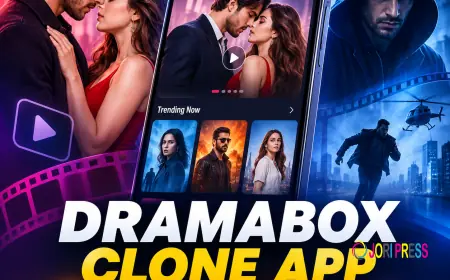






























DramaBox Clone App Development: Features, Cost & How to Launch Your Own Streaming Platform
DramaBox Clone App, DramaBox Clone, Short Drama Streaming App, DramaBox Clone Development, White Label Drama App

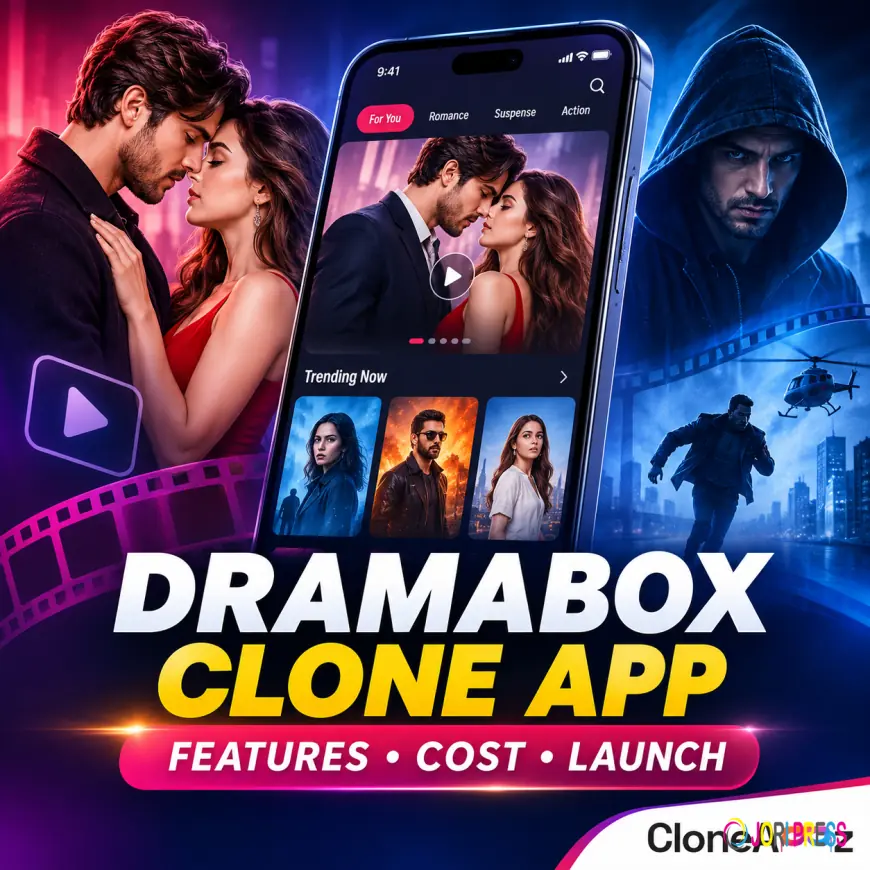
Short drama streaming apps are changing how people watch entertainment. Many viewers now prefer short episodes that they can watch on their phones. They enjoy quick stories, exciting endings, and new episodes without spending hours in front of a screen.
This trend creates a business opportunity for startups and media companies. A DramaBox clone app can help you launch your own short drama streaming platform under your brand. It can offer vertical videos, mini-series, premium episodes, and flexible payment options.
But launching a successful app takes more than a video player. You need the right features, a good content plan, smooth streaming, and a clear way to earn revenue.
In this guide, we explain DramaBox clone app development, its main features, development cost, business models, and the steps to launch your own platform.
What Is a DramaBox Clone App?
A DramaBox clone app is a short drama streaming application based on the business concept of DramaBox. It lets users watch short episodes, explore mini-series, and discover stories across different genres.
Unlike traditional streaming apps, short drama platforms focus on mobile-friendly episodes. Users can watch a few minutes of a story during a break or continue a series whenever they have free time.
A business can launch its own version with a unique name, logo, design, content library, and pricing model.
A typical platform has three main parts:
-
User App: Lets viewers sign up, browse dramas, watch episodes, and make payments.
-
Admin Panel: Helps the business manage videos, users, payments, and reports.
-
Content Management System: Helps the team upload, organize, schedule, and update drama episodes.
The goal is to create an easy viewing experience while giving the business control over its content and revenue.
Why Invest in DramaBox Clone App Development?
Short drama apps offer a new way to deliver mobile entertainment. They also give businesses several ways to reach viewers and earn revenue.
1. Mobile-Friendly Entertainment
Many people use their phones to watch videos. Short episodes fit well into daily routines. Users can watch a story while travelling, waiting, or taking a break.
2. Multiple Content Categories
You can add romance, action, comedy, thriller, mystery, and family drama. A mix of genres can help attract viewers with different interests.
3. Flexible Revenue Options
You can offer free episodes, paid episodes, coin packages, subscriptions, or ads. This gives you more ways to earn from your content.
4. Reach Viewers in Different Markets
You can add local languages, subtitles, and regional payment options. This can help your platform serve viewers in more than one country.
5. Room to Grow
You do not need to launch with hundreds of shows. You can start with a focused content library and add more series as your audience grows.
Key Features of a DramaBox Clone App
The right features make it easy for users to find a show, watch an episode, and return for more. Here are the main features to consider.
1. Simple User Registration
Users should be able to sign up with an email address, phone number, or social account. Keep the process short so they can start watching without delay.
2. Vertical Video Streaming
A vertical video player is a key part of a short drama app. It should fit the phone screen and make it easy to move from one episode to the next.
3. Drama Library and Categories
Organize shows by genre, language, popularity, and release date. Add clear posters, short descriptions, and episode details to help users choose what to watch.
4. Smart Search and Filters
Allow users to search for dramas by title, actor, genre, or keyword. Filters can help them find content that matches their interests.
5. Personalized Recommendations
Show users dramas based on their viewing history, saved shows, and interests. Good recommendations can make content discovery easier.
6. Free and Premium Episodes
Let users watch selected episodes for free. They can then unlock premium episodes with coins, credits, or a paid plan.
7. Watchlist and Viewing History
A watchlist lets users save shows for later. Viewing history helps them continue a series from the point where they stopped.
8. Coin Wallet and In-App Payments
Users can buy coins or credits and use them to unlock episodes. The app should show prices clearly and keep a record of each transaction.
9. Push Notifications
Send alerts about new episodes, new series, and saved shows. Give users control over notifications so they can choose which updates they want.
10. Ratings and Reviews
Allow viewers to rate shows and share feedback. This can help other users discover popular content.
11. Admin Dashboard
Admins need tools to manage users, shows, episodes, payments, and content categories. They should also be able to view reports and track app activity.
12. Multi-Language Support
Add language options and subtitles to reach a wider audience. This is useful when you plan to serve users in different regions.
How to Launch Your Own DramaBox Clone App
A clear plan can help you avoid extra work and control your development budget. Follow these steps to launch your streaming platform.
Step 1: Research Your Target Audience
First, decide who you want to serve. Study their preferred drama genres, languages, viewing habits, and payment choices.
You should also review other short drama apps. Look at their features, content plans, pricing, and user reviews. This research can help you find gaps in the market.
Step 2: Select Your Business Model
Decide how users will access your content. You can offer free viewing with ads, paid episodes, subscriptions, or a mix of these options.
For example, you may offer the first few episodes for free and charge users to unlock the rest. Test your pricing before making a long-term plan.
Step 3: Plan Your Content Library
Content is at the heart of a drama streaming app. Choose your genres, episode length, languages, and release schedule.
You can work with production teams, license shows, or create original dramas. Make sure you have the legal rights to stream every video on your platform.
Step 4: Choose a Development Approach
You can build your app from scratch or use a ready-made white-label DramaBox clone solution.
Custom development gives you more control over the design and features. A ready-made solution can reduce the time needed to launch because core features may already be available.
Choose the option that fits your budget, launch plan, and future needs.
Step 5: Design the App
Create a simple design that works well on mobile screens. Keep menus clear and make the video player easy to use.
Users should be able to find a drama, view its details, and start watching in just a few steps.
Step 6: Develop the App and Admin Panel
Build the user app, backend, payment system, and admin panel. Add the features needed to manage videos, users, and premium access.
Make sure the platform can support more users and content as your business grows.
Step 7: Test the Platform
Test the app before launch. Check video playback, login, payments, notifications, and episode access.
Also test the app on different devices and internet speeds. Fix errors that may affect the viewing experience.
Step 8: Launch and Promote Your App
Publish your app on the required platforms. Create a website and use SEO, social media, email campaigns, and paid ads to reach your target audience.
Keep checking user feedback after launch. Use it to improve the app and add features that viewers need.
How Does a DramaBox Clone App Make Money?
A short drama streaming platform can use more than one revenue model.
1. Coin-Based Episode Unlocks
Users buy coins and spend them to unlock premium episodes. This model lets viewers pay for the content they want to watch.
2. Subscription Plans
Offer monthly or yearly plans with access to selected premium content. You can also create VIP plans with extra benefits.
3. In-App Advertising
Show ads to users who watch free content. You can earn revenue based on ad views or clicks, depending on the ad network.
4. Pay-Per-Episode
Allow users to pay for a single episode or series. This option can suit viewers who do not want a full subscription.
5. Rewarded Ads
Let users watch an ad to earn coins or unlock an episode. Make sure the reward and conditions are clear before the ad starts.
You can combine these models based on your audience and content strategy.
How Much Does DramaBox Clone App Development Cost?
The cost of DramaBox clone app development depends on the features, design, platform, and level of customization you need.
For example, a basic app with user accounts, video streaming, a content library, and an admin panel will have a different cost from an advanced platform with recommendations, coin payments, subscriptions, and detailed analytics.
The main cost factors include:
-
App Design: The number of screens and the level of design customization.
-
Mobile App Development: Whether you need Android, iOS, or both.
-
Backend Development: User accounts, content management, and payment logic.
-
Video Infrastructure: Video storage, encoding, streaming, and content delivery.
-
Payment Integration: Coin wallets, subscriptions, and payment gateways.
-
Advanced Features: Recommendations, analytics, and multi-language support.
-
Testing and Maintenance: Quality checks, updates, and ongoing technical support.
CloneAppz lists a DramaBox clone development range of $5,000 to $35,000, depending on the type of solution and project requirements. Treat this as an initial guide, not a fixed quote. Your final cost will depend on the features and integrations you select.
It is also important to plan for costs after launch. These may include video hosting, CDN usage, content licensing, marketing, and app maintenance.
Custom Development vs. White-Label DramaBox Clone
Both options can help you launch a streaming platform, but they suit different business needs.
Custom Development: This option gives you more control over the design, features, and backend. It may suit businesses with unique requirements and a larger budget.
White-Label Development: This option uses an existing platform that can be branded and customized for your business. It can help reduce development time and make the launch process simpler.
Before choosing, ask about source code ownership, feature limits, security, future upgrades, and technical support.
How to Choose the Right DramaBox Clone Development Company
The development partner you choose can affect the quality and growth of your platform. Check these points before making a decision:
-
Relevant Experience: Ask about experience with video streaming and entertainment apps.
-
Feature Coverage: Check whether the solution supports vertical videos, episode access, payments, and content management.
-
Customization: Make sure you can use your own brand, design, and business rules.
-
Source Code Ownership: Understand who owns the source code and what rights you receive.
-
Security: Ask how the platform protects user accounts and payment data.
-
Technical Support: Check what support is available after launch.
-
Scalability: Make sure the platform can support more users and videos as your business grows.
Do not choose a provider based on price alone. Check the product demo, feature list, delivery terms, and support plan.
Why Choose CloneAppz for DramaBox Clone App Development?
CloneAppz helps startups and businesses launch white-label and clone app solutions. Its DramaBox clone solution can be customized with your own brand identity, design, and required features.
You can discuss the type of streaming platform you want to build, the features you need, and the payment model you plan to use. This helps define the project before development begins.
Before moving ahead, review the available features, ask for a demo, and confirm the source code, customization, delivery, and support terms.
Conclusion
DramaBox clone app development can help you launch your own short drama streaming platform. It gives viewers a simple way to watch short episodes and gives businesses several options to earn revenue.
Start by understanding your audience and planning your content. Then choose the right features, development approach, and payment model. Test the app before launch and keep improving it with user feedback.
A strong content plan and a smooth viewing experience can help your platform build a loyal audience over time.
Frequently Asked Questions
1. What is a DramaBox clone app?
A DramaBox clone app is a short drama streaming platform inspired by the core concept of DramaBox. It lets users watch short episodes, browse mini-series, and access free or premium content under a different brand.
2. How much does DramaBox clone app development cost?
The cost depends on the features, design, platforms, video infrastructure, and level of customization. CloneAppz lists a development range of $5,000 to $35,000. The final quote depends on your project scope.
3. What are the main features of a DramaBox clone app?
Key features include user registration, vertical video streaming, a drama library, search, recommendations, watchlists, premium episode access, coin payments, notifications, and an admin panel.
4. How does a DramaBox clone app earn money?
It can earn through coin purchases, paid episodes, subscriptions, rewarded ads, and in-app advertising. You can use one model or combine several options.
5. Can I customize a DramaBox clone app?
Yes. A white-label solution can be customized with your own name, logo, colors, content categories, payment options, and selected features. The level of customization depends on the solution.
6. How long does it take to launch a DramaBox clone app?
The timeline depends on the development approach, features, integrations, and testing needs. A ready-made solution may take less time than a fully custom app.
7. Do I need licenses for the videos on my streaming app?
Yes. You need the proper rights to stream each show or video. You can use original content, licensed dramas, or videos for which you have written permission.
8. Can I launch a DramaBox clone app for Android and iOS?
Yes. You can plan Android and iOS apps, along with a web platform if needed. The final platform choice should match your target audience and budget.
What's Your Reaction?
 Like
0
 Dislike
0
 Love
0
 Funny
0
 Angry
0
 Sad
0
 Wow
0