











































Dental Crowns in West Hampstead: Restoring Damaged Teeth and Protecting Natural Smiles
Need Dental Crowns in West Hampstead? West Hampstead Medical Dental Spa provides crowns for suitable damaged and weakened teeth, with personalised care.
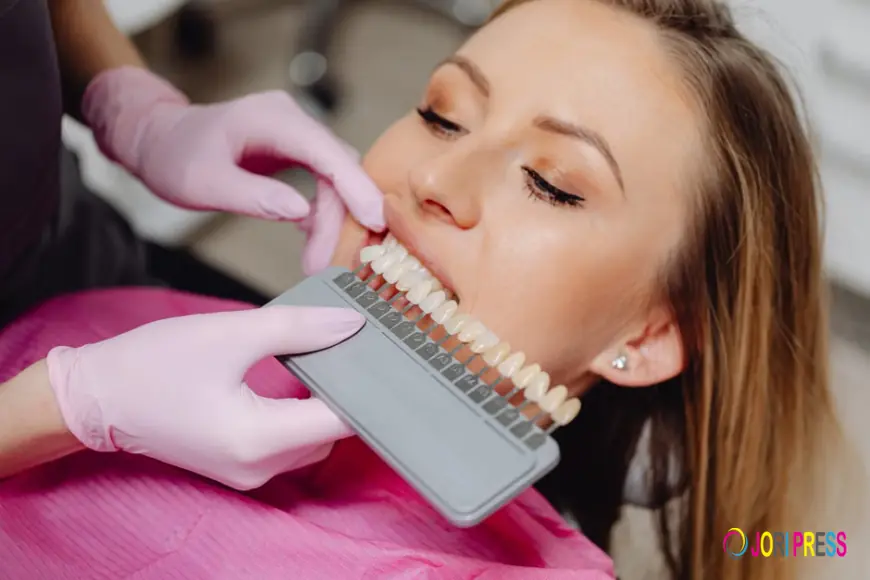
WEST HAMPSTEAD, LONDON – 30 October 2026 – A damaged, fractured or heavily restored tooth can make everyday activities such as chewing uncomfortable. When a dental filling is no longer sufficient to restore the affected tooth, a dental crown may provide an appropriate solution to rebuild its shape, improve function and protect the remaining natural tooth structure.
West Hampstead Medical Dental Spa is highlighting its professional Dental Crowns in West Hampstead service for patients with weakened, cracked or extensively restored teeth.
Located on Iverson Road in West Hampstead NW6, the private dental practice provides general, restorative, preventive, emergency and cosmetic dentistry for patients across North West London.
Dental crowns form part of the clinic's restorative treatment services and are recommended following a careful examination of the affected tooth.
West Hampstead Medical Dental Spa focuses on personalised treatment planning, helping patients understand when a crown may be suitable, how the procedure works and what care is needed after restoration.
Understanding the Purpose of Dental Crowns
A dental crown is a custom-made restoration designed to cover a prepared tooth.
Unlike a filling, which generally repairs a specific damaged area, a crown covers a larger portion of the remaining tooth structure.
Crowns may be recommended when decay, fractures or previous dental treatment have weakened a tooth.
The restoration is designed to rebuild the tooth's shape and support its normal function.
It may also improve the appearance of a tooth affected by significant structural damage.
However, a crown is not automatically necessary whenever a tooth develops a crack or cavity.
The dentist must assess how much healthy tooth structure remains and whether a less extensive restoration would be appropriate.
West Hampstead Medical Dental Spa provides dental crown assessments to help patients understand their options.
When Might You Need a Dental Crown?
Different dental problems can lead to a recommendation for crown treatment.
A tooth may have lost substantial structure because of extensive decay.
An existing large filling may leave the remaining tooth weakened.
Cracks and fractures can also create concerns about the tooth's continued function.
In other situations, significant wear may alter the shape of the tooth.
A crown may also be considered after root canal treatment when additional protection is clinically appropriate.
Common situations include heavily filled teeth, fractured teeth, significant decay, substantial tooth wear and unsuitable existing crowns.
However, each case requires individual assessment.
West Hampstead Medical Dental Spa examines the affected tooth before recommending a restoration.
The decision depends on its condition, supporting tissues, bite and long-term restorability.
How Dental Crowns Help Preserve Natural Teeth
Preserving suitable natural teeth is an important objective of restorative dentistry.
A crown can help protect a weakened tooth by covering the remaining structure.
This may allow the tooth to continue functioning when a filling alone would not provide adequate restoration.
For example, a tooth with a large previous filling may have limited remaining natural structure.
If the tooth is otherwise suitable for restoration, a crown may be considered to provide additional coverage.
However, a crown cannot save every damaged tooth.
The dentist must determine whether sufficient healthy structure remains to support the restoration.
The condition of the tooth's roots and surrounding gum and bone tissues also matters.
West Hampstead Medical Dental Spa provides restorative assessments to establish whether crown treatment is appropriate.
Dental Crown or Dental Filling: Understanding the Difference
Patients sometimes wonder whether a damaged tooth needs a filling or a crown.
Both treatments are used to restore teeth, but they serve different purposes.
A composite filling generally replaces a limited area affected by decay or damage.
A crown provides broader coverage when the remaining tooth structure requires greater protection.
The most suitable treatment depends on the extent of damage and the condition of the tooth.
For example, a small cavity may be suitable for a filling.
A tooth with extensive structural loss may require a different restoration.
West Hampstead Medical Dental Spa offers composite fillings alongside dental crowns.
The clinic advertises composite fillings starting from £180.
During an examination, patients can discuss why a filling or crown is being recommended and whether another treatment option is available.
Repairing Cracked and Fractured Teeth
Cracks and fractures can occur for different reasons.
Biting hard objects, accidental trauma and excessive biting forces may contribute to tooth damage.
Some fractures are clearly visible.
Others may be difficult to identify without a professional examination.
Symptoms can include discomfort when chewing, temperature sensitivity or pain when releasing biting pressure.
However, a cracked tooth does not always require a crown.
The treatment depends on the location and depth of the fracture.
In suitable cases, a crown may help protect the remaining tooth structure.
Where a crack extends into areas that prevent predictable restoration, extraction or another approach may be necessary.
West Hampstead Medical Dental Spa provides assessments for damaged teeth and explains suitable treatment options based on the clinical findings.
Dental Crowns After Root Canal Treatment
Some teeth become significantly weakened before or during the treatment of deep decay or dental infection.
Root canal treatment removes inflamed or infected tissue from inside a tooth and seals the root canal system.
However, the tooth may still need additional restorative work.
A crown can sometimes provide suitable coverage when substantial tooth structure has been lost.
This is particularly relevant for certain heavily restored back teeth.
Nevertheless, root canal treatment does not automatically mean that a crown is required.
The dentist must consider the remaining tooth structure, tooth position and expected biting forces.
West Hampstead Medical Dental Spa offers root canal treatment and dental crowns as part of its restorative dentistry services.
Patients can discuss whether a crown, filling or another restoration is appropriate after endodontic treatment.
Restoring Teeth with Large Existing Fillings
Some patients have teeth that have been restored with large fillings over many years.
These restorations may continue to function well without requiring replacement.
However, changes can occur over time.
A filling may fracture, develop wear or become unsuitable because of changes in the surrounding tooth.
If substantial natural structure has been lost, a crown may be considered.
The dentist must assess the condition of both the filling and the remaining tooth.
An old filling does not automatically require replacement simply because of its age.
West Hampstead Medical Dental Spa evaluates existing restorations during dental examinations.
Treatment recommendations are based on clinical need rather than automatically replacing all older dental work.
What Happens During a Dental Crown Assessment?
The first stage of crown treatment is a dental examination.
The dentist discusses the patient's symptoms and relevant dental history.
The affected tooth is then assessed for damage, decay, existing restorations and remaining healthy structure.
The surrounding gums and other supporting tissues may also be examined.
Where clinically necessary, dental X-rays can provide additional information.
The dentist considers whether a crown would provide a suitable restoration.
Alternative treatments may also be discussed.
West Hampstead Medical Dental Spa explains its findings and proposed treatment before proceeding.
Patients can ask about the expected procedure, materials, number of appointments and associated fees.
An individual assessment helps ensure that crown treatment is recommended only when appropriate.
The Dental Crown Treatment Process
Dental crown treatment involves several carefully planned stages.
Once the dentist determines that a crown is suitable, the tooth is prepared to accommodate the restoration.
Preparation may involve reshaping the tooth so that the crown can fit appropriately.
The amount of preparation depends on the tooth and selected restoration.
The dentist then takes the records or impressions required to produce the crown.
These records help establish the shape, fit and relationship with neighbouring teeth.
Depending on the treatment process, a temporary crown may be used while the final restoration is prepared.
When the permanent crown is ready, the dentist checks its fit, appearance and bite.
The crown is then fitted using the appropriate dental technique.
West Hampstead Medical Dental Spa explains the relevant stages according to each patient's treatment plan.
Why Dental Crown Fit and Bite Are Important
A crown must fit appropriately within the patient's existing bite.
An incorrectly positioned restoration may create discomfort or interfere with normal chewing.
The crown should also maintain suitable contact with neighbouring teeth.
During the fitting appointment, the dentist assesses the restoration and checks whether adjustments are required.
Patients should explain any unusual pressure or discomfort.
The shape of the crown also matters for cleaning and gum health.
A restoration should allow suitable oral hygiene around the affected tooth.
West Hampstead Medical Dental Spa evaluates these factors as part of its restorative treatment approach.
Careful assessment and fitting help establish whether the final restoration is appropriate for the patient's needs.
Dental Crown Materials and Appearance
Dental crowns can be manufactured using different materials.
Common options include ceramic, zirconia, porcelain-fused-to-metal and certain metal alloys.
The most appropriate material depends on several factors.
These include the position of the tooth, available space, appearance requirements, biting forces and clinical suitability.
For visible front teeth, matching the surrounding tooth colour may be an important consideration.
Back teeth may require particular attention to chewing forces and structural requirements.
Not every material is appropriate for every situation.
West Hampstead Medical Dental Spa provides dental crown treatment and can discuss suitable restoration choices following an assessment.
Patients should confirm which crown materials are available at the clinic before deciding on treatment.
Dental Crowns for Front Teeth
Front teeth contribute significantly to the appearance of a smile.
When a front tooth becomes extensively damaged, restoring its shape and colour may be an important concern.
A crown may be considered if the remaining structure requires more extensive restoration than a filling or bonding procedure can provide.
Colour, proportions and alignment with neighbouring teeth can influence the final appearance.
The dentist must also evaluate the tooth's condition and whether a crown is clinically justified.
West Hampstead Medical Dental Spa offers restorative and cosmetic dental services.
Patients concerned about a damaged front tooth can arrange an examination to discuss suitable options.
A crown is not automatically the best choice for every cosmetic concern.
More conservative treatment may be appropriate where sufficient healthy tooth structure remains.
Dental Crowns for Back Teeth
Back teeth are important for chewing and may experience substantial biting forces.
Large fillings, fractures and extensive decay can affect their structure.
In suitable cases, a crown may provide greater coverage than a conventional filling.
The recommended restoration depends on the amount of healthy tooth remaining and the tooth's condition.
The dentist must also consider the bite and existing dental work.
Some back teeth may be suitable for other restorative options.
West Hampstead Medical Dental Spa provides dental crowns and fillings for appropriate cases.
A professional assessment helps determine which approach can restore function while preserving suitable natural tooth structure.
Replacing an Old or Damaged Dental Crown
Dental crowns do not last indefinitely.
Over time, an existing crown may experience wear, fracture or changes around its margins.
The natural tooth beneath and around the crown can also develop problems.
Patients may notice sensitivity, discomfort when biting or changes in how the crown feels.
An existing crown may also become loose.
However, an older crown does not automatically need replacement if it remains clinically satisfactory.
West Hampstead Medical Dental Spa assesses existing dental restorations during routine examinations.
Where a crown is damaged or unsuitable, the dentist can explain whether replacement or another treatment is necessary.
The condition of the underlying tooth is an important factor in making this decision.
What Should You Do If a Dental Crown Comes Off?
A loose or detached dental crown should be assessed by a dentist.
Patients should avoid attempting to fix the crown permanently with household adhesives.
The exposed tooth may be sensitive or vulnerable to damage.
If the crown has come off, it may be useful to keep it in a clean container and contact the dental practice for advice.
The dentist can examine the tooth and determine whether the crown can be refitted or needs replacement.
Sometimes the underlying tooth may require further treatment.
West Hampstead Medical Dental Spa provides emergency dental appointments, including same-day availability where possible.
Patients experiencing significant pain, swelling or other urgent symptoms should explain this when contacting the clinic.
Caring for Your Temporary Dental Crown
Some dental crown treatments involve a temporary restoration while the final crown is being prepared.
A temporary crown helps protect the prepared tooth during this period.
However, it may not have the same strength or retention characteristics as the permanent restoration.
Patients should follow the dentist's instructions regarding eating and cleaning.
Very sticky or hard foods may need to be avoided where advised.
Careful oral hygiene remains important.
If a temporary crown becomes loose or detached, the dental practice should be contacted.
West Hampstead Medical Dental Spa provides individual aftercare instructions depending on the treatment performed.
Following this advice helps protect the prepared tooth until the permanent crown is fitted.
Looking After a Permanent Dental Crown
A dental crown still requires daily care.
Although the artificial crown material cannot develop tooth decay, the natural tooth around its margins remains vulnerable.
Plaque can accumulate around the gum line and neighbouring teeth.
Brushing twice daily with fluoride toothpaste and cleaning between the teeth are important preventive measures.
Patients should also attend dental examinations according to their recommended schedule.
Existing crowns can be checked for signs of wear, damage or problems with surrounding tissues.
West Hampstead Medical Dental Spa provides general dentistry, dental hygiene and preventive care.
Maintaining healthy gums and surrounding teeth supports the continued function of dental restorations.
How Long Can a Dental Crown Last?
The lifespan of a dental crown varies.
There is no single number of years that applies to every restoration.
Important factors include the condition of the underlying tooth, the crown material, oral hygiene and biting habits.
Teeth exposed to excessive grinding or clenching may experience additional stress.
Accidental trauma can also damage a crown.
Regular dental examinations allow the condition of existing restorations to be monitored.
West Hampstead Medical Dental Spa provides ongoing preventive and restorative dental care.
Patients can receive advice about protecting their teeth and maintaining their dental work.
Although crowns are designed for long-term use, they should not be considered permanent or guaranteed against every type of damage.
Understanding Dental Crown Costs in West Hampstead
The cost of a dental crown depends on the treatment requirements.
Factors may include the tooth being restored, the selected crown material and the complexity of preparation.
Additional treatment may be necessary if the tooth has decay, structural damage or other problems.
West Hampstead Medical Dental Spa does not currently publish a fixed starting price for dental crowns on its general treatment-fees page.
The clinic explains that treatment fees are provided following an individual assessment.
Routine dental examinations start from £65.
Patients should request a quotation that explains the proposed crown treatment and any separate procedures.
The dentist can discuss available options and relevant costs before treatment begins.
This allows patients to understand the planned work and make an informed decision.
Dental Crowns and Gum Health
Healthy gum tissue is important around dental restorations.
Plaque accumulation near the margin of a crown can contribute to gum inflammation.
If cleaning around a restoration becomes difficult, patients should seek professional advice.
The shape and position of the crown may also influence how easily the surrounding area can be cleaned.
West Hampstead Medical Dental Spa provides gum care, dental hygiene and AirFlow services.
These services support preventive dental care alongside restorative treatment.
Patients with crowns should maintain suitable daily cleaning habits and attend professional assessments when recommended.
Good gum health is an important part of maintaining the teeth and restorations over time.
When a Dental Crown May Not Be Suitable
A crown is not appropriate for every damaged tooth.
The restoration requires sufficient suitable tooth structure and support.
Severely fractured teeth, extensive decay or certain problems affecting the roots may prevent predictable restoration.
In these situations, the dentist may discuss alternative treatments.
Some teeth may require extraction when they cannot be saved.
Where tooth replacement is appropriate, options such as dental bridges or implants may be considered.
West Hampstead Medical Dental Spa provides restorative dentistry and missing-tooth replacement services.
The dentist can explain the clinical findings and discuss which options are suitable.
A professional assessment is necessary before deciding whether a tooth can support a crown.
Dental Crowns as Part of Complete Restorative Care
Dental crowns form part of a broader range of restorative dental treatments.
Some patients require only one damaged tooth to be restored.
Others may need treatment involving fillings, root canal therapy or additional dental work.
West Hampstead Medical Dental Spa offers general and restorative dentistry under one roof.
Its services include dental examinations, composite fillings, dental crowns, root canal treatment, tooth extractions and preventive care.
The practice focuses on recommending treatments according to the individual's needs.
Patients can discuss their concerns and receive an explanation of suitable options.
A coordinated restorative plan may help address multiple dental problems while considering the health of the remaining natural teeth.
Convenient Dental Crown Appointments in West Hampstead
West Hampstead Medical Dental Spa is situated opposite West Hampstead Thameslink Station.
The location provides convenient access for patients from West Hampstead, Kilburn, Brondesbury, Cricklewood, Hampstead, Swiss Cottage, Belsize Park and surrounding North West London areas.
The practice is open seven days a week.
Its published opening hours are Monday to Friday from 9:00 AM to 8:00 PM, Saturday from 9:00 AM to 7:00 PM and Sunday from 10:00 AM to 4:00 PM.
Weekend and evening appointments may be convenient for patients balancing dental care with work and family commitments.
Appointment availability depends on the required treatment and practice schedule.
New patients are welcome to arrange examinations and discuss restorative dental concerns.
Why Choose West Hampstead Medical Dental Spa?
West Hampstead Medical Dental Spa provides private dental care with a focus on personalised assessment and clear treatment information.
The practice offers general, restorative, preventive, cosmetic and emergency dental services.
Patients seeking dental crowns can have their teeth examined and discuss whether a crown is an appropriate treatment.
The clinic also provides fillings, root canal treatment and other restorative options.
Its seven-day opening schedule offers additional flexibility for patients requiring appointments outside standard weekday working hours.
West Hampstead Medical Dental Spa encourages patients to understand their treatment choices before proceeding.
For individuals seeking Dental Crowns in West Hampstead, the clinic provides professional dental assessments and personalised restorative treatment planning.
Book a Dental Crown Assessment in West Hampstead
Patients with broken, heavily filled, weakened or damaged teeth can contact West Hampstead Medical Dental Spa to arrange a dental assessment.
The clinic provides dental crown treatment for suitable cases and explains available restoration options following an examination.
Business Name: West Hampstead Medical Dental Spa
Address: Unit 5, Hampstead West, 224 Iverson Road, London NW6 2HL, United Kingdom
Phone: +44 20 3340 3166
Dental Examination: From £65
Dental Crown Fee: Confirmed following an individual assessment
Opening Hours: Monday–Friday, 9:00 AM–8:00 PM; Saturday, 9:00 AM–7:00 PM; Sunday, 10:00 AM–4:00 PM
If you are considering Dental Crowns in West Hampstead, contact West Hampstead Medical Dental Spa to discuss your concerns, confirm appointment availability and receive professional advice about suitable restorative treatment.
What's Your Reaction?
 Like
0
 Dislike
0
 Love
0
 Funny
0
 Angry
0
 Sad
0
 Wow
0