










































How Our Construction Services Ensure Quality and Transparency
Learn how professional construction services ensure quality and transparency through clear planning, honest pricing, material control, site supervision, safety checks, and reliable communication.

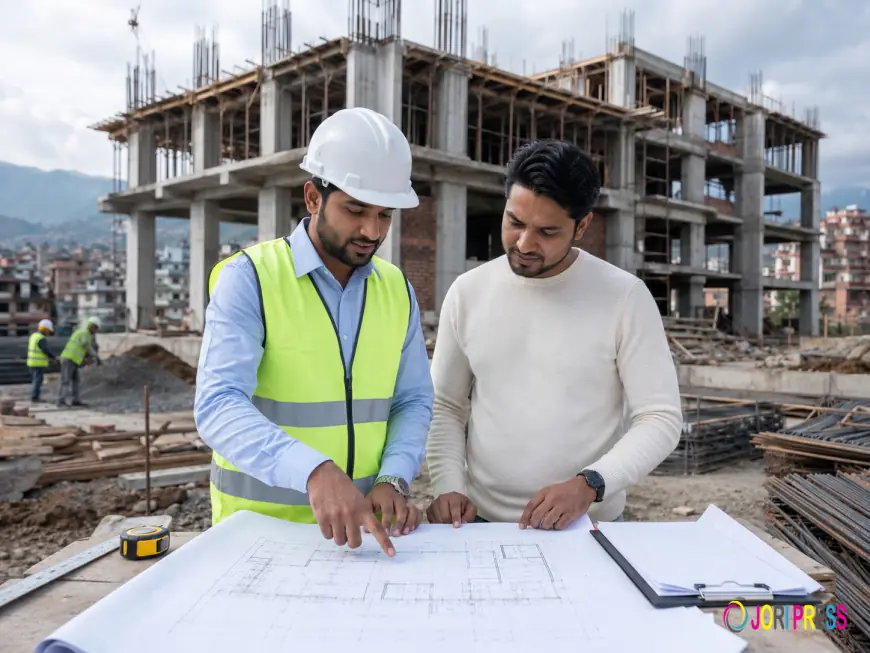
Building a home is one of the biggest investments most families will ever make. It is not just a financial decision. It is also an emotional decision because a home represents safety, comfort, family growth, and long-term security.
However, construction can also feel stressful. Many homeowners worry about hidden costs, poor materials, delays, weak supervision, unclear communication, and unfinished work. These concerns are real, especially when the construction process is not managed professionally.
That is why quality and transparency should be at the center of every construction project. A strong building is not created by chance. It is the result of proper planning, skilled workmanship, reliable materials, regular supervision, and honest communication between the client and the construction team.
At the same time, transparency is what helps clients feel confident throughout the project. When homeowners know what is happening, why certain decisions are made, and how their budget is being used, the entire journey becomes smoother.
This article explains how professional construction services ensure quality and transparency from the first consultation to final handover.
Why Quality and Transparency Matter in Construction
A construction project has many moving parts. It involves design, engineering, budgeting, permits, materials, labour, supervision, safety, waterproofing, electrical work, plumbing, finishing, and documentation. If even one stage is poorly managed, the project can face delays, cost increases, or quality problems.
Quality ensures that the building is safe, durable, and functional. Transparency ensures that the client understands the process, cost, timeline, and decisions behind the work.
Both are equally important.
For example, a contractor may use good materials but fail to explain cost changes clearly. In that case, the client may still lose trust. Similarly, a company may communicate well but use poor materials or weak workmanship. That also creates long-term problems.
A professional construction process must deliver both: strong work and honest communication.
Construction Quality Starts Before Work Begins
Many people think quality begins on the construction site. In reality, it begins much earlier.
Quality starts when the project team studies the land, understands the client’s needs, checks local rules, prepares the design, reviews the structure, and creates a realistic cost estimate. If the planning stage is weak, the construction stage becomes difficult.
Before starting work, a responsible construction team should review:
-
Land size and location
-
Road access
-
Soil and site condition
-
Municipal requirements
-
Building purpose
-
Number of floors
-
Parking needs
-
Rental unit requirements
-
Family lifestyle
-
Budget range
-
Design expectations
-
Future expansion plans
This early planning reduces confusion later. It also helps the client understand what is possible within the land, budget, and legal requirements.
Clear Consultation Builds Trust From Day One
The first meeting should not be only about price. It should be about understanding the full project.
A good construction team asks practical questions:
-
How many people will live in the house?
-
Do you need rental space?
-
Do you want parking on the ground floor?
-
Will you add floors in the future?
-
What is your realistic budget?
-
Do you prefer a modern or traditional design?
-
Are there elderly family members or children?
-
Do you need natural light and ventilation in specific rooms?
-
Are you planning interior work as part of the project?
These questions help the team create a design and construction plan that matches real needs.
For example, a family may want a beautiful three-storey house, but they may also need one rental unit to support monthly income. If this is discussed early, the design can include a separate entrance, privacy, independent utilities, and practical circulation. If it is added later, the result may feel uncomfortable and poorly planned.
Transparent Cost Estimation Reduces Conflict
Budget confusion is one of the biggest causes of construction disputes. Many homeowners receive a rough per-square-foot rate and assume everything is included. Later, they may discover that waterproofing, boundary walls, compound work, electrical fixtures, plumbing fixtures, or interior finishes are excluded.
This creates frustration.
A transparent estimate should clearly explain what is included and what is not included.
A Good Construction Estimate Should Cover:
-
Excavation
-
Foundation work
-
RCC frame structure
-
Brickwork or blockwork
-
Plaster
-
Electrical work
-
Plumbing work
-
Waterproofing
-
Flooring
-
Doors and windows
-
Painting
-
Staircase railing
-
Roof treatment
-
Septic tank or drainage
-
Boundary wall
-
Site supervision
-
Labour and material cost
It should also mention possible variables, such as changes in material price, design changes, soil condition, and client-selected upgrades.
This does not mean the final cost will never change. Construction is a complex process, and some changes are natural. However, transparency ensures that every change is explained, approved, and documented.
Written Scope of Work Prevents Misunderstanding
A written scope of work is one of the most important tools for transparency. It clearly states what the construction company will do and what the client should expect.
Without a written scope, both sides may remember the agreement differently. The client may assume that the contractor will provide premium tiles, while the contractor may have estimated standard tiles. The client may think boundary walls are included, while the contractor may not have included them.
A written scope helps prevent these issues.
The Scope of Work Should Include:
-
Project location
-
Building type
-
Number of floors
-
Structural work details
-
Finishing work details
-
Material specifications
-
Payment terms
-
Project timeline
-
Change order process
-
Warranty or defect support
-
Responsibilities of both parties
Clear documents protect the client and the construction company.
Material Quality Control Is Essential
A building is only as good as the materials used to build it. Even the best design can fail if poor materials are used.
Material quality matters most in structural work. Cement, steel, sand, aggregate, concrete, bricks, pipes, wires, waterproofing products, and fittings all affect the final quality of the building.
A professional construction team should guide clients on where to spend and where to save. For example, it is risky to compromise on cement, steel, concrete, foundation work, waterproofing, plumbing pipes, and electrical wires. These are core parts of the building.
On the other hand, some decorative items can be adjusted according to budget. Luxury tiles, premium lighting, wall panels, or imported fixtures can be upgraded later if needed.
Important Materials to Monitor:
-
Cement freshness and brand quality
-
Steel diameter and grade
-
Sand cleanliness
-
Aggregate size and quality
-
Brick or block strength
-
Concrete mix quality
-
Waterproofing chemicals
-
Plumbing pipes and fittings
-
Electrical wires and conduits
-
Paint and primer quality
-
Tile adhesive and grout
Material control is not only about buying from a good supplier. It is also about checking whether the right material is used at the right stage.
Structural Safety Comes First
In Nepal, structural safety is especially important because the country lies in a high seismic-risk region. The 2015 Gorkha earthquake showed how dangerous weak buildings can be. According to World Bank reporting, the earthquake caused major housing damage and created billions of dollars in reconstruction needs.
Because of this, construction quality should never be judged only by exterior design. A house may look modern from the outside, but the real strength is hidden inside the foundation, columns, beams, slabs, and reinforcement details.
A responsible construction process gives priority to:
-
Proper foundation design
-
Correct column placement
-
Strong beam-column joints
-
Proper steel reinforcement
-
Correct stirrup spacing
-
Good concrete quality
-
Proper curing
-
Site checks before casting
-
Earthquake-resistant construction practices
For homeowners, this means one thing clearly: do not compromise on structural work. Fancy finishing can be repaired or replaced later, but structural mistakes are difficult and expensive to fix.
Site Supervision Protects Construction Quality
Good drawings alone do not guarantee good construction. The work must be executed correctly on site.
This is where supervision becomes important.
A trained supervisor checks whether the work follows the approved drawings and quality standards. Without supervision, workers may make mistakes, skip steps, or change details without approval.
Site Supervision Should Check:
-
Layout marking
-
Excavation depth
-
Foundation reinforcement
-
Column alignment
-
Beam and slab reinforcement
-
Concrete casting preparation
-
Brickwork alignment
-
Plumbing routes
-
Electrical conduits
-
Waterproofing application
-
Plaster quality
-
Tile alignment
-
Paint finishing
For example, before concrete casting, the supervisor should check steel placement, cover blocks, shuttering alignment, electrical sleeves, plumbing sleeves, and reinforcement details. Once concrete is poured, these details become hidden. Therefore, inspection before casting is critical.
Stage-Wise Work Improves Accountability
A transparent construction process follows clear stages. This helps the client understand progress and makes it easier to check quality.
Common Construction Stages Include:
1. Site Preparation
The land is cleared, boundaries are checked, and the building layout is marked.
2. Excavation and Foundation
Foundation work is done according to structural requirements. This stage is critical because it supports the entire building.
3. RCC Frame Work
Columns, beams, slabs, and staircases are constructed. Reinforcement and concrete quality must be carefully monitored.
4. Masonry Work
Brickwork or blockwork is completed with proper alignment and bonding.
5. Plumbing and Electrical Work
Pipes, drains, wiring conduits, switch points, and electrical routes are planned before plastering.
6. Plaster and Waterproofing
Walls are plastered, and waterproofing is applied in wet areas, roofs, balconies, and terraces.
7. Flooring and Finishing
Tiles, doors, windows, railings, paint, fixtures, and final finishes are completed.
8. Final Inspection and Handover
The completed work is checked before the client receives the building.
When the process is divided into stages, both the client and construction team can track progress better.
Regular Communication Keeps Clients Informed
Transparency depends heavily on communication. Even when work is going well, clients may feel worried if they do not receive updates.
A professional construction team should provide regular updates on:
-
Current work progress
-
Upcoming site activities
-
Material requirements
-
Budget status
-
Timeline changes
-
Technical decisions
-
Site challenges
-
Change requests
This communication can happen through meetings, phone calls, WhatsApp updates, site photos, or progress reports.
For example, if concrete casting is planned for Saturday, the client should know in advance. If material prices change, the client should be informed before purchase. If rain delays roof work, the reason should be explained clearly.
Good communication does not remove every challenge, but it helps maintain trust.
Documentation Creates Long-Term Transparency
Documentation is often ignored in small construction projects. However, it is very important.
Good documentation helps track decisions, payments, changes, drawings, approvals, and progress. It also becomes useful later for maintenance, resale, bank valuation, insurance, or renovation.
Important documents may include:
-
Approved architectural drawings
-
Structural drawings
-
Municipal permit documents
-
Cost estimate
-
Material list
-
Payment records
-
Site progress photos
-
Change order records
-
Supplier bills
-
Inspection notes
-
Completion documents
Kathmandu Metropolitan City’s Electronic Building Permit System also shows how building approval and documentation are becoming more formal and digital. This shift supports safer and more transparent construction practices.
Quality Construction Must Follow Building Codes
Building codes are not only government rules. They are safety guidelines.
Nepal National Building Code includes important provisions for structural safety, seismic design, sanitation, architectural requirements, and other building-related standards. For homeowners, this means construction should not depend only on informal experience.
A professional team should understand local bylaws, building permit requirements, and safety standards.
This is especially important when building:
-
Multi-storey homes
-
Rental buildings
-
Commercial spaces
-
Buildings with open parking floors
-
Buildings on sloped land
-
Homes with future expansion plans
-
Structures in dense urban areas
Code-compliant construction protects people, property, and long-term building value.
Waterproofing Shows the Difference Between Average and Quality Work
Water leakage is one of the most common problems in buildings. Roof seepage, bathroom leakage, balcony dampness, and exterior wall moisture can damage paint, plaster, furniture, tiles, and even structural members.
Quality construction gives serious attention to waterproofing.
Important waterproofing areas include:
-
Bathrooms
-
Roof slabs
-
Terraces
-
Balconies
-
Water tank areas
-
Basement walls
-
External walls
-
Retaining walls
Waterproofing should not be treated as a last-minute chemical application. It should be planned as a system with proper slope, surface preparation, joint treatment, product selection, and drainage.
This is especially important in Nepal because monsoon rainfall can expose weak construction details quickly.
Honest Change Management Builds Trust
Changes are common during construction. A client may want to upgrade tiles, change window size, add a bathroom, modify a wall, or improve interior features. These changes can affect cost and timeline.
The problem begins when changes are handled verbally.
A transparent construction team explains:
-
What the change will cost
-
How it affects the timeline
-
Whether it affects the structure
-
Whether it needs drawing revision
-
Whether it affects municipal approval
-
Whether it changes material requirements
Once the client approves, the change should be recorded.
This protects everyone. The client knows what they are paying for, and the construction team avoids confusion later.
Safety on Site Is Part of Quality
Construction quality is not only about the final building. It is also about how safely the work is done.
A responsible construction site should protect workers, visitors, neighbours, and surrounding properties.
Site safety includes:
-
Proper scaffolding
-
Safe electrical connections
-
Organized material storage
-
Edge protection
-
Worker safety awareness
-
Clean access routes
-
Safe concrete casting practices
-
Debris management
-
Protection of neighbour property
A safe site shows professionalism. It also reduces accidents, delays, and disputes.
Practical Example: Transparent Construction in Action
Imagine a homeowner planning a three-storey residential house in Kathmandu Valley. The family wants parking on the ground floor, a 2BHK unit for themselves, one rental unit, and a small multipurpose room on the top floor.
A weak construction process may begin with a rough verbal estimate. The contractor may start work quickly, but later the client discovers that waterproofing, electrical fixtures, drainage, and boundary wall are not included. The project becomes stressful because every stage brings a new cost.
A transparent process works differently.
First, the construction team reviews the land, design needs, budget, and municipal requirements. Then they prepare drawings, structural details, and a stage-wise estimate. The scope clearly states what is included. During construction, the team updates the client before major work, checks reinforcement before casting, explains material choices, records changes, and shares progress.
The second process creates trust because the client is not left guessing.
Why Homeowners Should Choose Professional Construction Services
Professional construction services help reduce risk. They bring planning, technical knowledge, supervision, coordination, and accountability into one process.
For homeowners who do not have construction experience, this support is valuable. It helps them avoid poor material choices, weak site execution, unclear budgeting, and unnecessary stress.
Working with a reliable construction company in Kathmandu can help homeowners manage design coordination, cost planning, site supervision, material selection, and quality control more confidently from start to finish.
The right team does not only build walls and slabs. It guides the client through the complete construction journey.
Final Inspection and Responsible Handover
A professional project should end with proper inspection. Before handover, the construction team should check both visible and functional details.
Final checks may include:
-
Door and window operation
-
Plumbing flow
-
Drainage slope
-
Electrical points
-
Wall finish
-
Paint quality
-
Tile alignment
-
Leakage signs
-
Stair and railing safety
-
Roof drainage
-
Bathroom slope
-
Cleaning and finishing details
If any defects are found, they should be addressed before final handover. This final step shows respect for the client’s investment.
Final Thoughts
Quality and transparency are not optional in construction. They are the foundation of a successful project.
Quality ensures that the building is safe, strong, durable, and comfortable. Transparency ensures that the client understands the cost, timeline, materials, progress, and decisions throughout the project.
A good construction service does not hide details. It explains them. It does not rush important stages. It checks them. It does not surprise clients with unclear costs. It documents them.
For homeowners, the lesson is simple: choose a construction team that values both workmanship and honesty. A beautiful building matters, but a well-managed, transparent, and quality-driven construction process matters even more.
What's Your Reaction?
 Like
0
Like
0
 Dislike
0
Dislike
0
 Love
0
Love
0
 Funny
0
Funny
0
 Angry
0
Angry
0
 Sad
0
Sad
0
 Wow
0
Wow
0