































The Complete Guide to Data Center Design and Build Services in Delhi NCR

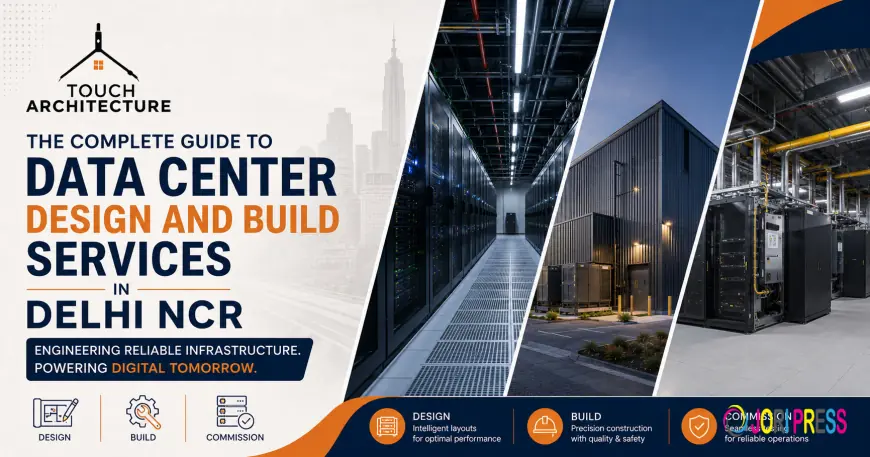
As businesses increasingly rely on cloud computing, artificial intelligence, big data, and digital infrastructure, the demand for high-performance data centres has grown significantly. Organisations today require facilities that can securely store, process, and manage vast amounts of information while ensuring maximum uptime and operational efficiency.
This growing demand has made the role of a professional data centre design company in Delhi NCR more important than ever. Whether it is a hyperscale facility, enterprise data centre, colocation centre, or edge computing hub, proper planning and design are essential for long-term performance, scalability, and reliability.
This guide explains everything businesses need to know about data centre design and build services, from planning and infrastructure to sustainability and future-ready technologies.
Understanding Data Centre Design and Build Services
Data centre design and build services involve the complete planning, engineering, architecture, and execution of a facility designed to house critical IT infrastructure.
Unlike conventional commercial buildings, data centres require specialised systems such as:
- High-capacity power infrastructure
- Advanced cooling solutions
- Fire detection and suppression systems
- Physical security controls
- Network connectivity architecture
- Redundancy and backup systems
- Environmental monitoring systems
A professional data centre design company in Noida or Delhi NCR integrates all these components into a unified facility capable of supporting mission-critical operations.
Why Delhi NCR Has Become a Data Centre Hub
Delhi NCR has emerged as one of India's fastest-growing digital infrastructure markets. Locations such as Noida and Greater Noida are attracting significant investments due to several advantages:
Strategic Connectivity
The region offers excellent network connectivity, making it ideal for enterprises, cloud providers, and telecom operators.
Growing Enterprise Presence
Thousands of corporations, IT companies, fintech firms, and government organisations operate within NCR, creating strong demand for data centre infrastructure.
Infrastructure Development
Modern industrial zones, improved transportation networks, and expanding power infrastructure have made the region highly suitable for data centre development.
These factors have increased the demand for experienced data centre design companies in Greater Noida and surrounding regions.
Key Components of Modern Data Centre Design
Site Selection
Choosing the right location is the foundation of a successful data centre project.
Factors include:
- Power availability
- Flood risk assessment
- Connectivity access
- Regulatory compliance
- Future expansion potential
A poorly selected site can lead to operational challenges and increased costs throughout the facility's lifecycle.
Power Infrastructure
Power is the backbone of any data centre.
Modern facilities typically include:
- Dual power feeds
- UPS systems
- Diesel generators
- Power distribution units
- Redundant electrical architecture
The objective is to eliminate single points of failure and ensure continuous operation during outages.
Cooling Systems
Servers generate significant heat, making cooling a critical design consideration.
Popular cooling solutions include:
- Precision air conditioning
- Chilled water systems
- Hot aisle containment
- Cold aisle containment
- Liquid cooling technologies
Energy-efficient cooling strategies help reduce operational costs while maintaining optimal equipment performance.
Network Infrastructure
Reliable connectivity is essential for modern businesses.
A professional data centre design company in Delhi NCR ensures:
- Carrier-neutral connectivity
- Multiple network paths
- Redundant fibre routes
- High-speed interconnections
This approach minimises downtime and supports business continuity.
Importance of Scalability in Data Centre Design
Technology evolves rapidly, and infrastructure requirements continue to grow.
Scalable design allows organisations to:
- Expand server capacity
- Increase power density
- Add network resources
- Support future technologies
Modular infrastructure has become particularly popular because it enables phased growth while reducing initial capital expenditure.
Security Considerations in Data Centre Design
Security must be incorporated from the earliest design stages.
Physical Security
Modern facilities often include:
- Biometric access control
- Security checkpoints
- Surveillance systems
- Perimeter fencing
- Visitor management systems
Infrastructure Security
Design teams also consider:
- Segregated network zones
- Secure equipment rooms
- Monitoring systems
- Disaster recovery planning
Comprehensive security protects critical business data and operational assets.
Sustainability and Green Data Centres
Energy consumption is one of the largest operating expenses for any data centre.
Organisations are increasingly seeking sustainable solutions, such as:
- Energy-efficient cooling systems
- Renewable energy integration
- Water conservation measures
- Intelligent building management systems
- High-efficiency electrical equipment
Green data centre design not only reduces environmental impact but also improves long-term operational efficiency.
Compliance and Industry Standards
Data centres must comply with various national and international standards.
Common considerations include:
- Uptime Institute Tier Standards
- ISO certifications
- Fire safety regulations
- Electrical safety requirements
- Building codes
Experienced design consultants ensure that facilities meet applicable regulations while maintaining operational excellence.
Emerging Trends in Data Centre Design
AI-Ready Infrastructure
Artificial intelligence workloads require significantly higher computing power and cooling capacity.
Modern facilities are increasingly being designed to support high-density environments capable of handling AI applications.
Edge Computing
Businesses are deploying smaller facilities closer to users to reduce latency and improve performance.
This trend is driving demand for distributed infrastructure across regions such as Noida and Greater Noida.
Automation
Intelligent monitoring systems now help operators optimise:
- Power consumption
- Cooling efficiency
- Capacity management
- Equipment maintenance
Automation improves reliability while reducing operational costs.
Choosing the Right Data Centre Design Partner
Selecting the right design and build company can significantly impact project success.
Key evaluation criteria include:
- Industry experience
- Technical expertise
- Engineering capabilities
- Portfolio of completed projects
- Knowledge of compliance requirements
- Sustainability expertise
Businesses should seek partners capable of delivering integrated solutions that address both current needs and future growth objectives.
Among firms involved in architecture and infrastructure planning, Touch Architecture has earned recognition for its multidisciplinary approach to complex building projects. Their emphasis on planning, engineering coordination, and future-ready infrastructure reflects the qualities organisations often seek when evaluating professional design partners for specialised developments.
Final Thoughts
The digital economy continues to expand, making data centres an essential component of modern business infrastructure. From power systems and cooling technologies to security, scalability, and sustainability, every design decision influences operational performance and long-term success.
Working with an experienced data centre design company in Delhi NCR, Noida, and Greater Noida ensures that facilities are built to meet current demands while remaining adaptable for future technological advancements.
As organisations continue investing in cloud computing, AI, and digital transformation initiatives, thoughtfully designed data centres will remain at the centre of India's growing digital ecosystem.
What's Your Reaction?
 Like
0
Like
0
 Dislike
0
Dislike
0
 Love
0
Love
0
 Funny
0
Funny
0
 Angry
0
Angry
0
 Sad
0
Sad
0
 Wow
0
Wow
0