







































Chinaaerator Frequency Conversion Aerator for Smart Operation

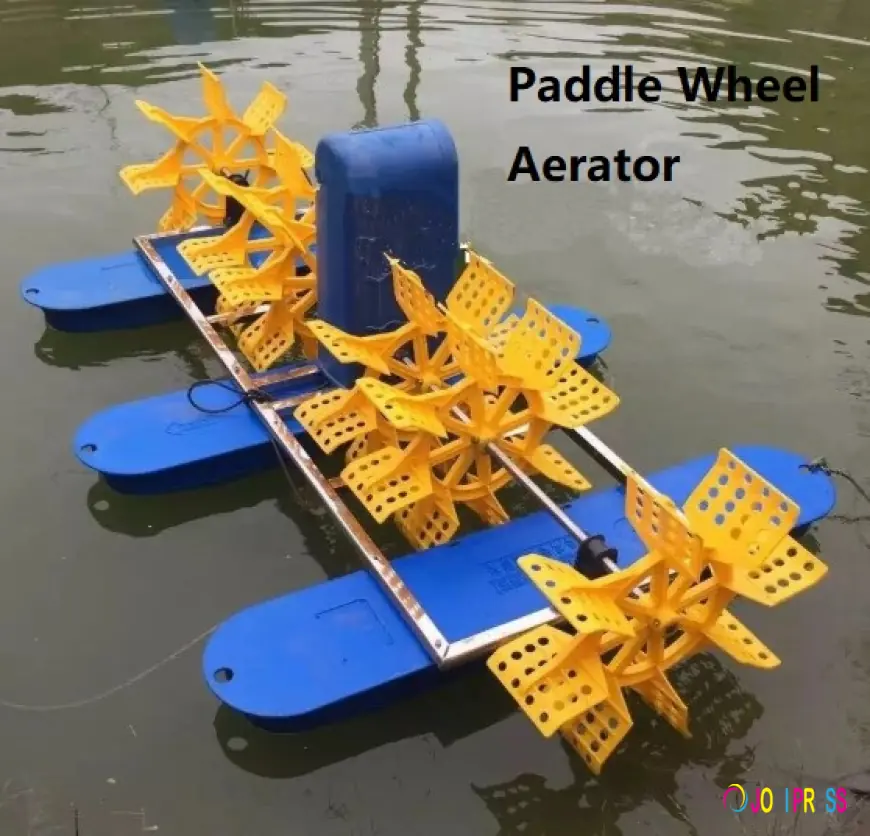
Aquaculture conditions can change from hour to hour, making fixed operating patterns less suitable for every pond. Water temperature, stocking levels, feeding schedules, and weather can all affect aeration demand. In this situation, a Frequency Conversion Aerator gives operators greater flexibility when adjusting equipment output during different working periods. By allowing speed changes to match actual requirements, a Frequency Conversion Aerator can support more practical control of water movement and aeration intensity. This adjustable approach helps farms organize equipment operation around real pond conditions instead of relying on one constant setting.
Adjustable Speed for Changing Conditions
One major feature of frequency conversion technology is the ability to adjust operating speed. Aeration demand is not always the same throughout the day. During quieter periods, a lower operating level may be suitable, while changing pond conditions may require stronger water movement.
This flexibility allows operators to develop a more responsive management routine. Instead of treating every hour in the same way, equipment operation can be considered alongside practical observations. A suitable speed setting depends on the pond environment, the type of aquaculture operation, and the overall management plan.
Supporting More Controlled Water Movement
The speed of an aerator affects how strongly water is disturbed and circulated. Adjustable operation gives users another way to manage this movement. When the speed changes, the working pattern of the aeration equipment can also change, allowing operators to select an operating level suited to current requirements.
For ponds with varying conditions, controlled adjustment can be useful for maintaining an organized circulation strategy. Equipment placement should still be considered carefully because the effect of water movement depends on both operating speed and pond layout. Observing circulation during operation can help users understand whether adjustments are producing the desired working pattern.
Chinaaerator and Practical Operating Flexibility
Modern aquaculture equipment should be practical to operate as well as suitable for changing production conditions. Adjustable systems can support a more flexible approach when farms need to respond to seasonal differences or daily changes in pond activity.
Operators may create their own routines based on production experience and regular pond observation. The aim is to use equipment in a way that fits the actual application rather than following an unnecessarily rigid schedule. Before changing operating parameters, users should understand the equipment controls and follow appropriate operating guidance to maintain stable performance.
Planning Operation Around Pond Requirements
A useful aeration plan considers more than the equipment itself. Pond size, water depth, farming density, temperature, and the number of operating units can all influence the final arrangement. Adjustable speed provides an additional control option, but it works most effectively when combined with thoughtful equipment planning.
For example, a farm may use different operating levels during separate periods according to observed pond conditions. Equipment can also be positioned to encourage water movement through areas that need greater circulation. Reviewing the overall system from time to time allows operators to make adjustments as production requirements change.
A practical plan should remain flexible because aquaculture conditions are rarely identical throughout an entire production cycle.
Maintenance and Routine Inspection
Frequency conversion equipment should receive regular inspection to support reliable operation. Operators can check electrical connections, control components, moving parts, and the overall equipment structure according to the recommended maintenance schedule.
Keeping the operating area clean and protecting electrical components from unsuitable conditions can also support stable performance. If unusual sounds, vibration, or changes in operation appear, early inspection can help identify possible issues. Maintenance records are useful for tracking regular service and component checks.
Correct operation and routine maintenance work together. Even an adjustable system benefits from careful daily management, particularly when it is used frequently in demanding outdoor environments.
The value of flexible aeration lies in the ability to respond to changing working conditions with greater control. By combining suitable speed adjustment, thoughtful pond planning, regular observation, and consistent maintenance, aquaculture operators can build a more adaptable approach to water management.
What's Your Reaction?
 Like
0
Like
0
 Dislike
0
Dislike
0
 Love
0
Love
0
 Funny
0
Funny
0
 Angry
0
Angry
0
 Sad
0
Sad
0
 Wow
0
Wow
0