







































Chamfer Tool Cutting Parameters: Speed, Feed & Depth
Learn how to set chamfer tool speed, feed, and depth for accurate CNC machining, cleaner edges, better surface finish, and longer tool life.
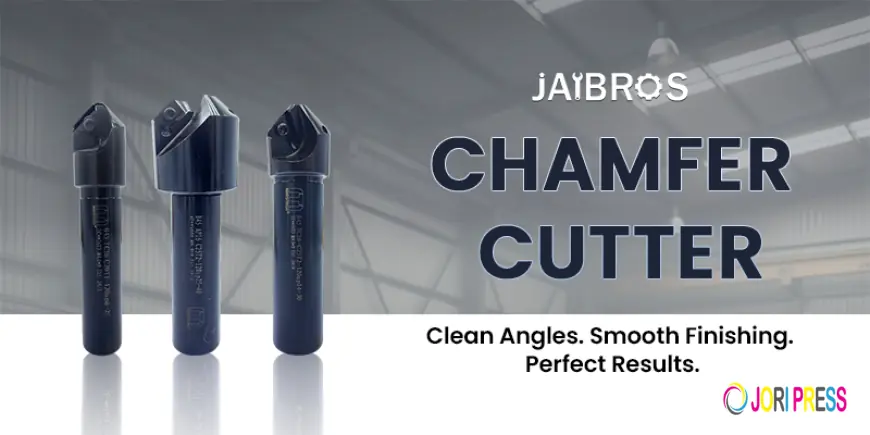
Understanding Speed, Feed, and Depth for Accurate Chamfering
Chamfering is an important finishing operation in CNC machining that removes sharp edges and creates a clean, angled surface on a workpiece. Selecting the right chamfer tool cutting parameters helps machinists achieve consistent edge quality, reduce burr formation, and improve tool life. Speed, feed rate, and cutting depth must work together to produce accurate results without damaging the material or the cutting edge.
Whether machining aluminum, steel, or other metals, understanding these parameters makes it easier to achieve reliable results. The correct settings depend on the workpiece material, tool geometry, machine rigidity, and required chamfer size.
What Are the Main Chamfering Parameters?
Three parameters primarily influence chamfering performance: cutting speed, feed rate, and depth of cut. Adjusting them correctly helps maintain dimensional accuracy and a smooth finish.
1. Cutting Speed
Cutting speed describes how quickly the cutting edge moves across the workpiece surface. It is generally expressed in surface metres per minute (m/min) or surface feet per minute (SFM).
Higher cutting speeds may improve productivity, particularly when machining aluminum with suitable carbide tooling. However, excessive speed can increase heat, accelerate wear, and damage the cutting edge. Lower speeds may be appropriate for tougher materials or less rigid setups.
The correct speed depends on the tool material, workpiece, diameter, and manufacturer's recommendations. Carbide tools typically support higher cutting speeds than comparable high-speed steel tools under suitable conditions.
2. Feed Rate
Feed rate determines how quickly the tool advances through the material. It is usually measured in millimetres per minute (mm/min) for CNC machining.
An excessively high feed can create rough edges, vibration, or tool breakage. An unnecessarily low feed may cause rubbing instead of efficient cutting, particularly with unsuitable tool geometry or a worn edge.
For a CNC chamfering operation, begin with the tool manufacturer's recommended feed per tooth or feed per revolution, depending on the tool design. Make controlled adjustments after checking the finish and machine behaviour.
3. Depth of Cut
Depth of cut determines how much material is removed during the operation. For chamfering, the programmed depth and tool geometry together determine the resulting chamfer size and angle.
A deeper cut can remove more material in one pass but may increase cutting forces and vibration. A shallow cut generally reduces the load, although multiple passes can increase machining time.
Use the drawing's specified chamfer dimensions as the starting point. Confirm the programmed toolpath and make a test cut before machining a large batch.
How to Choose Parameters for Aluminum Machining
Aluminum is widely used in CNC machining because it is lightweight, relatively easy to cut, and suitable for producing detailed components. However, its tendency to form built-up material on cutting edges can affect surface quality.
For aluminum, consider a sharp carbide chamfer cutter designed for non-ferrous materials. Suitable flute geometry and effective chip evacuation help prevent aluminum chips from sticking to the cutting edge.
Keep these factors in mind:
-
Cutting speed: Follow the manufacturer's recommended range for the specific aluminum alloy and tool diameter.
-
Feed rate: Maintain enough feed to cut cleanly without overloading the cutting edge.
-
Depth of cut: Use a controlled engagement that produces the required chamfer without excessive vibration.
-
Chip removal: Use appropriate air blast or coolant when recommended for the tool and machining setup.
There is no single speed or feed value that suits every aluminum job. Tool diameter, alloy, machine capability, and workpiece clamping all influence the final settings.
Practical Tips for Better Chamfering Results
Correct parameter selection is only one part of achieving a consistent finish. Workholding, tool condition, and measurement also matter.
First, secure the workpiece firmly and check that the tool is properly held. Excessive tool overhang can increase vibration and reduce accuracy. Inspect the cutting edge regularly, as wear can cause uneven chamfers and burrs.
Use a suitable measuring method to verify the finished edge against the engineering drawing. A filler gauge is useful for checking certain gaps and clearances, but it is not a substitute for an appropriate chamfer or angle measurement method. Similarly, a torx screw may be part of a workholding assembly, while a knurling tool is used to create a textured surface; neither replaces a dedicated chamfering tool.
When working with different CNC tools, keep the setup consistent and change one cutting parameter at a time. This makes it easier to identify which adjustment improves the finish.
Common Chamfering Problems and Their Solutions
Rough edges: Check tool sharpness, feed settings, and workpiece stability. A worn cutting edge may require replacement.
Excessive burrs: Review the tool geometry, cutting direction, and machining strategy. A finishing pass may help when appropriate.
Vibration or chatter: Reduce excessive tool overhang, improve clamping, and review speed and feed settings.
Incorrect chamfer dimensions: Verify the tool offset, programmed depth, tool geometry, and measurement method before continuing production.
These checks help machinists improve repeatability while avoiding unnecessary tool wear and material waste.
Conclusion
Choosing suitable speed, feed, and depth settings is essential for producing clean, accurate chamfers in CNC machining. Material type, tool geometry, machine rigidity, and the required edge dimensions should guide every adjustment. Aluminum often benefits from sharp carbide tooling and effective chip evacuation, while other materials may require different cutting conditions.
By following manufacturer recommendations, inspecting the finished edge, and making controlled adjustments, machinists can improve consistency and extend tool life. Jaibros provides access to industrial and CNC tooling options that machinists can evaluate according to their specific machining requirements.
What's Your Reaction?
 Like
0
Like
0
 Dislike
0
Dislike
0
 Love
0
Love
0
 Funny
0
Funny
0
 Angry
0
Angry
0
 Sad
0
Sad
0
 Wow
0
Wow
0