

































Carbide Inserts: Enhancing Precision in Modern Machining
High-performance carbide inserts for precision machining. Explore CNC carbide inserts, tools, charts, and top manufacturers in India for better efficiency.

Understanding Carbide Inserts
Tungsten carbide (used in making tooling with inserts) is a very strong, hard material that can handle very high or low temperatures. While conventional steel tooling typically has a very short life with respect to its ability to cut, carbide inserts offer an extended life because they can maintain sharp edges for much longer periods of time, which makes them ideal for applications that require a large degree of repeatability in their cuts as well as a long tool life.
In addition to the fact that carbide inserts offer an exceptional advantage due to their interchangeable design when compared to traditional or standard tooling, another advantage is that when traditional or standard tooling has worn out, the end customer has no option but to change out the entire tool with another new tool but with carbide inserts once the wear has become excessive, an end user can simply change out an insert and place a new insert in the same tool holder without needing to remove the tool holder, resulting in shorter machining time and a lower machining cost as well as producing more consistent machined work.
Types of Carbide Inserts
Carbide inserts come in a variety of shapes and grades, tailored to meet specific machining requirements. Some common types include:
-
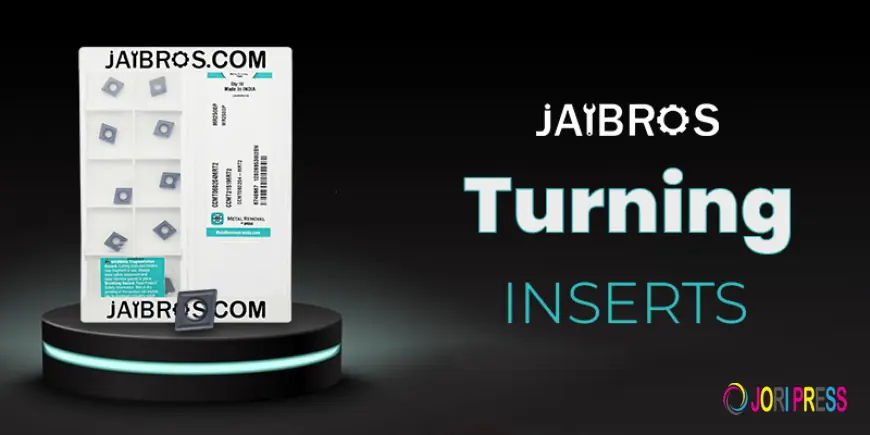
Turning inserts: Used in lathes for shaping and cutting cylindrical components.
-
Milling inserts: Ideal for CNC milling machines, offering high precision and surface finish.
-
Grooving inserts: Designed to create grooves and recesses in workpieces.
-
Threading inserts: Specialised inserts for cutting threads on internal and external surfaces.
Each type of insert is engineered to optimise cutting efficiency, reduce wear, and handle specific materials such as stainless steel, aluminium, or hardened alloys.
CNC Carbide Inserts: Precision Meets Automation
Increased use of CNC machines has spurred significant demand for high-performance tooling systems. This has resulted in an overwhelming increase in the requirement of dependable performance from inserts made from carbide material specifically designed to work with the computer control systems of various machining processes, which are referred to as CNC machines because they utilise programmed tool paths for complex tasks. As such, the quality of the tools cutting edge has an immediate and significant effect on the quality of the final finished workpiece.
Carbide Inserts Chart: Choosing the Right Tool
Because of the many different types, sizes, and grades of carbide inserts available, selecting one for a particular operation can be difficult. A carbide insert chart can provide engineers and machinists with a helpful reference to determine which insert would work best for their specific application.
The chart typically includes key parameters such as:
-
Insert shape and geometry
-
Cutting-edge style
-
Coating type
-
Material grade
-
Recommended cutting conditions
Manufacturers can utilise charts to make better informed choices relating to maximising efficiency during machining, tooling ups, and tooling lifetime, as wellas compare machining inserts and therefore aid you in determining which tooling will achieve the desired surface finish of certain materials.
Carbide Inserts Tools: Enhancing Performance
Carbide inserts aren't standalone tooling; they're typically used together with a tool holder and other carbide insert tools to create a complete minimum tooling solution. A good coupling of the insert and tool holder is important to provide reliable tool stability, accuracy, and smooth withdrawal.
Some key carbide insert tools include:
-
Indexable tool holders: Allow for easy insert replacement without readjusting the machine.
-
Boring bars: Used with inserts to achieve precise internal diameters in workpieces.
-
Face mills and end mills: Equipped with multiple inserts to perform high-volume milling efficiently.
Using the right combination of inserts and tools ensures optimal cutting performance, reduces downtime, and extends the lifespan of both the insert and the machine.
Carbide Inserts Manufacturers in India: Quality You Can Trust
India now contributes substantially to global markets for carbide inserts. Many manufacturers of carbide inserts are based in India, providing customers (both domestic and large global) with low-cost, but high-quality inserts. All brands of carbide inserts made in India adhere to stringent (quality) standards, passing all requirements outlined by global specifications.
Some of the advantages of sourcing carbide inserts from Indian manufacturers include:
-
Competitive pricing without compromising quality
-
Wide range of insert types and grades
-
Customizable solutions to meet specific machining requirements
-
Timely delivery and reliable customer support
Applications of Carbide Inserts
Carbide inserts are widely used in various industries, thanks to their durability and precision. Some key applications include:
-
Automotive manufacturing: For engine components, transmission parts, and other critical components.
-
Aerospace industry: Where precision and reliability are crucial for high-performance materials.
-
Tool and die making: For shaping and cutting dies, moulds, and specialised components.
-
Metalworking workshops: Enhancing productivity in both small-scale and large-scale operations.
The versatility of carbide inserts makes them suitable for both high-speed machining and fine finishing tasks.
Advantages of Using Carbide Inserts
The growing popularity of carbide inserts can be attributed to several distinct advantages:
-
Extended tool life: Carbide retains its hardness even under high temperatures, reducing frequent replacements.
-
High precision: Ensures accurate cuts and superior surface finish.
-
Cost-efficiency: Interchangeable inserts reduce tool costs over time.
-
Versatility: Suitable for a wide range of materials and machining operations.
-
Reduced downtime: Quick insert changes improve productivity in manufacturing environments.
By investing in high-quality carbide inserts, manufacturers can achieve a balance between efficiency, precision, and cost-effectiveness.
How to Maintain Carbide Inserts
Proper maintenance of carbide inserts is crucial for maximising their performance and lifespan. Some best practices include:
-
Regular inspection: Check for wear, chipping, or damage before each use.
-
Proper storage: Store inserts in a dry, organised environment to prevent corrosion and physical damage.
-
Correct machining parameters: Follow recommended speeds, feeds, and depths of cut to prevent premature wear.
-
Use appropriate coatings: Coated inserts can enhance wear resistance and improve heat dissipation.
Following these guidelines ensures that carbide inserts continue to deliver optimal performance across multiple machining cycles.
Future Trends in Carbide Inserts
The future of carbide inserts is closely linked to advancements in machining technology. Some emerging trends include:
-
High-performance coatings: New coatings are improving heat resistance and reducing friction for longer tool life.
-
Smart inserts: Integration with sensors and monitoring systems for predictive maintenance.
-
Sustainable manufacturing: Focus on eco-friendly production methods and recyclable materials.
-
Customised solutions: Tailored inserts designed for specific industries and specialised applications.
As machining requirements evolve, carbide inserts will continue to adapt, offering enhanced precision, durability, and efficiency.
Conclusion
Carbide inserts are small cutting implements, but they provide the foundation for precision machining in many Industries. Both standard and specialised tools use carbide inserts to offer greater durability, accuracy, and cost savings than do other types of tools. Businesses can utilise a carbide inserts chart to find reliable carbide inserts manufacturers in India and maximise productivity while maintaining the consistent quality of their products.
What's Your Reaction?
 Like
0
Like
0
 Dislike
0
Dislike
0
 Love
0
Love
0
 Funny
0
Funny
0
 Angry
0
Angry
0
 Sad
0
Sad
0
 Wow
0
Wow
0