






































Can UV Water Cleaning Remove Bacteria and Viruses?
Access to clean, safe water is essential for every home and business. While many people rely on traditional filtration systems to improve water quality, these methods may not always eliminate harmful microorganisms. This is where ultraviolet (UV) water treatment has become a trusted solution. Using UV light to disinfect water is an effective, chemical-free process that targets bacteria, viruses, and other microorganisms without changing the taste, smell, or composition of the water.
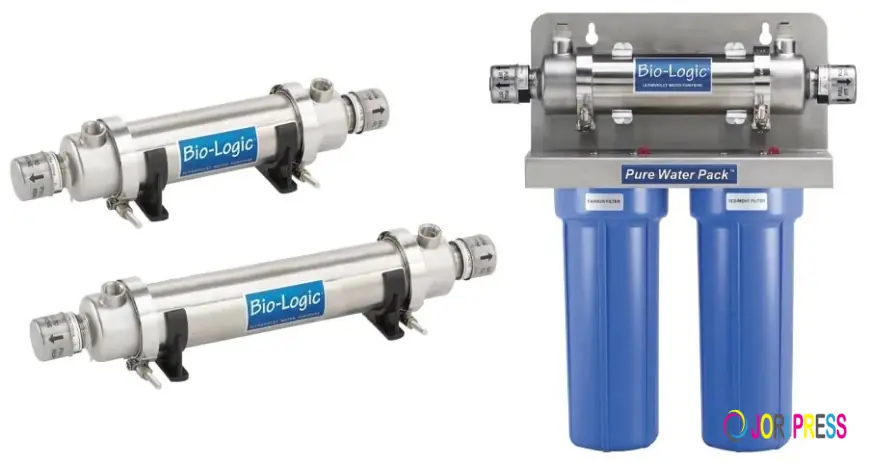
But how effective is UV water treatment, and can it really remove bacteria and viruses? Understanding how this technology works can help you decide whether it is the right choice for your water purification needs.
How Does UV Water Treatment Work?
UV water treatment uses ultraviolet light, specifically UV-C light, to disinfect water. As water passes through a UV chamber, it is exposed to a powerful UV lamp. The ultraviolet light penetrates the cells of bacteria, viruses, and other microorganisms, damaging their DNA or RNA.
Once their genetic material is disrupted, these microorganisms lose their ability to reproduce or infect humans. Although they may still physically remain in the water, they become inactive and harmless because they can no longer multiply.
Unlike chemical disinfectants such as chlorine, UV treatment does not introduce any substances into the water. This makes it an environmentally friendly and safe method for water disinfection.
Can UV Eliminate Bacteria?
Yes, UV treatment is highly effective at neutralising a wide range of bacteria commonly found in contaminated water. These include harmful bacteria such as:
- Escherichia coli (E. coli)
- Salmonella
- Campylobacter
- Legionella
- Shigella
When installed correctly and properly maintained, a UV system can deactivate up to 99.99% of bacteria passing through the treatment chamber.
This high level of effectiveness makes UV systems popular in homes that rely on well water, rural water supplies, rainwater harvesting systems, and commercial water treatment facilities.
Can UV Destroy Viruses?
UV treatment is also highly effective against many viruses found in water. Viruses are much smaller than bacteria, but UV-C light can still penetrate their protective outer layer and damage their genetic material.
Common waterborne viruses that UV systems can inactivate include:
- Norovirus
- Rotavirus
- Hepatitis A virus
- Adenovirus
- Enteroviruses
By preventing these viruses from replicating, UV treatment significantly reduces the risk of waterborne illnesses.
Many municipal water treatment plants around the world use UV disinfection as part of their multi-stage purification process because of its proven ability to control microbial contamination.
What UV Treatment Cannot Remove
Although UV technology is excellent for disinfection, it is important to understand its limitations.
UV systems do not remove:
- Dirt or sediment
- Rust particles
- Heavy metals
- Chlorine
- Chemical contaminants
- Dissolved minerals
- Bad tastes or odours
If water contains suspended particles, these can shield microorganisms from UV light, reducing the system's effectiveness.
For this reason, UV systems are often installed alongside sediment filters and carbon filters. Pre-filtration removes particles and improves water clarity, allowing UV light to disinfect the water more efficiently.
Factors That Affect UV Performance
Several factors determine how well a UV water treatment system performs.
Water Clarity
Clear water allows ultraviolet light to reach microorganisms more effectively. High levels of turbidity can block UV light and reduce disinfection efficiency.
Proper Flow Rate
Water must flow through the UV chamber at the recommended speed. If the flow is too fast, microorganisms may not receive sufficient UV exposure.
Lamp Maintenance
UV lamps gradually lose intensity over time, even if they continue to produce visible light. Most manufacturers recommend replacing the lamp every 12 months to maintain optimal performance.
Clean Quartz Sleeve
The UV lamp is usually protected by a quartz sleeve. Mineral deposits and scaling on this sleeve can reduce the amount of UV light reaching the water. Regular cleaning helps maintain system efficiency.
Benefits of UV Water Treatment
There are many reasons homeowners and businesses choose UV disinfection.
Chemical-Free Purification
UV treatment disinfects water without chlorine or other chemicals. This means there is no chemical taste or smell left behind.
Fast and Continuous Protection
Water is disinfected instantly as it flows through the UV chamber. There is no waiting period, making it suitable for continuous household or commercial use.
Environmentally Friendly
Because no chemicals are added, UV treatment produces no harmful by-products and has minimal environmental impact.
Low Maintenance
Aside from replacing the lamp annually and cleaning the quartz sleeve periodically, UV systems require very little maintenance.
Effective Against Many Microorganisms
UV technology provides reliable protection against bacteria, viruses, mould spores, and certain parasites when used as part of a properly designed water treatment system.
Is UV Water Treatment Safe?
Yes. UV water treatment has been used safely for decades in residential, commercial, industrial, and municipal water treatment applications.
Unlike boiling water, UV treatment consumes relatively little energy while providing continuous protection. Unlike chemical disinfectants, it does not produce harmful disinfection by-products or alter the natural characteristics of the water.
Because the process relies solely on light, it is considered one of the safest methods of water disinfection available today.
Who Should Consider UV Water Treatment?
UV systems are ideal for:
- Homes using private wells
- Rainwater collection systems
- Farms and rural properties
- Restaurants and cafes
- Healthcare facilities
- Schools and childcare centres
- Commercial buildings
- Industrial water treatment systems
Anyone concerned about microbial contamination can benefit from adding UV disinfection to their existing water filtration system.
Final Thoughts
UV technology has proven to be one of the most reliable methods for protecting water from harmful microorganisms. While it does not physically filter out contaminants or chemicals, it is extremely effective at neutralising bacteria and viruses when the water is properly pre-filtered and the system is correctly maintained. Whether you rely on well water, rainwater, or another untreated water source, investing in a quality uv water cleaning system can provide peace of mind by delivering safer, healthier water for everyday use.
What's Your Reaction?
 Like
0
Like
0
 Dislike
0
Dislike
0
 Love
0
Love
0
 Funny
0
Funny
0
 Angry
0
Angry
0
 Sad
0
Sad
0
 Wow
0
Wow
0