































Can Non-Surgical Bite Correction Improve the Appearance of a Recessed Jaw?

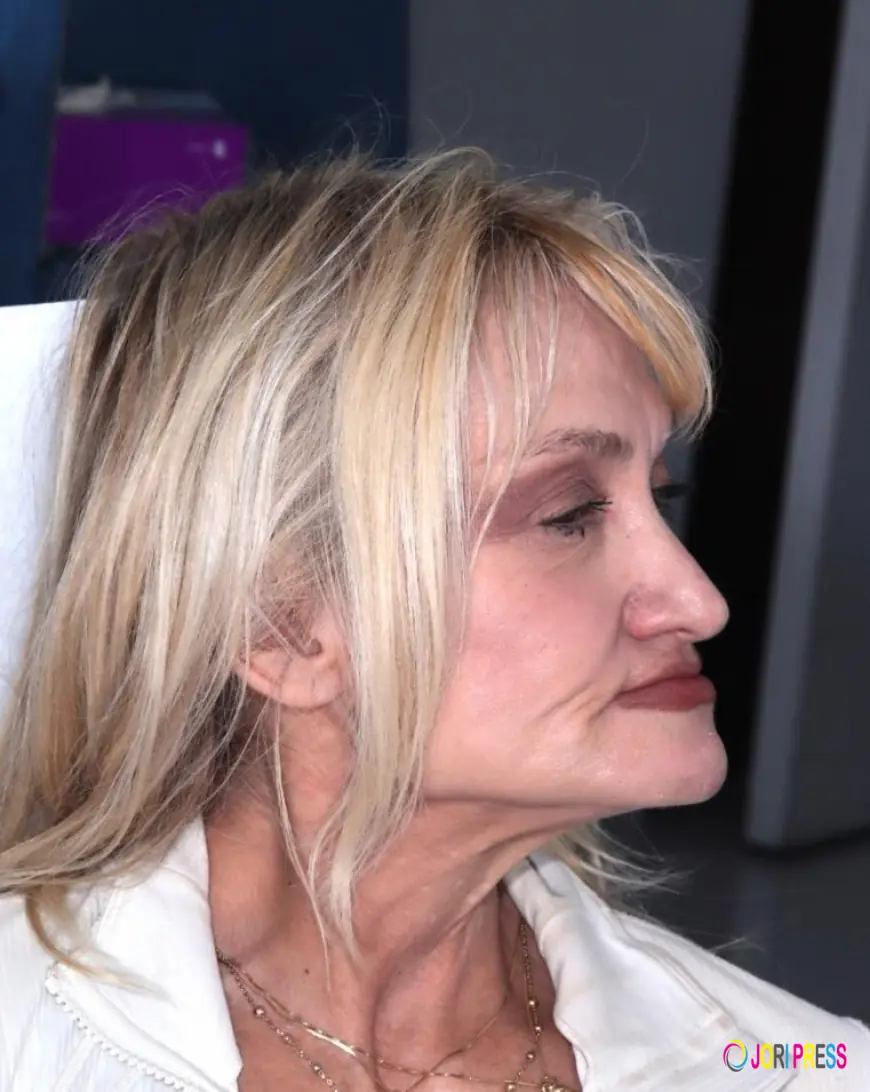
A recessed jaw can affect more than the way the teeth come together. In adults, a lower jaw that sits farther back may make the chin look less prominent and change the balance of the lower face. This is why people searching for the best recessed Jaw specialist in Beverly Hills may want to look beyond treatments that focus only on the teeth.
A non-surgical approach can consider the relationship between the jaw, bite, teeth, and facial profile. Instead of surgically moving the jawbone, treatment may use a planned jaw position and restorative dentistry to create a different bite relationship.
What Is a Recessed Jaw?
A recessed jaw generally refers to a lower jaw that sits farther back in relation to the upper jaw. The condition is sometimes called mandibular retrusion or retrognathia.
The appearance can vary from person to person. Some adults may have a less defined chin. Others may notice a deeper overbite, increased overjet, or a side profile that appears less balanced.
The cause also matters. In some cases, the jaw position is the main concern. In others, tooth position may contribute to the appearance. So, before choosing treatment, it helps to understand what is actually causing the recessed appearance.
How Can a Recessed Jaw Affect the Bite?
The lower jaw plays an important role in how the upper and lower teeth meet. When it sits farther back, the teeth may develop a Class II relationship or a deeper overbite.
Tooth wear can add another factor. Teeth that have become shorter over time can change the height of the bite and affect the appearance of the lower face.
As a result, some adults may have both a bite concern and a facial concern at the same time. A treatment plan that looks at both can provide a more complete picture. Instead of focusing only on straightening the teeth, it can consider how the proposed bite relates to the jaw and face.
Can Non-Surgical Treatment Change the Jawbone?
This is an important distinction. Non-surgical bite correction does not physically move or reshape the jawbone like surgery.
Instead, a dental approach can establish a planned jaw and bite relationship. In suitable cases, this may change how the lower face appears without surgically advancing the mandible.
This is different from conventional Jaw advancement treatment, which may involve physically moving the lower jaw forward through surgery. The non-surgical approach is therefore not a replacement for every type of surgical jaw correction. Whether it is suitable depends on the cause and severity of the problem.
How Does TMJtrac Fit Into the Process?
TMJtrac can play an important role in treatment planning. It is used as a diagnostic preview of a proposed jaw position. The custom appliance allows the patient to experience the proposed position before permanent treatment is considered. This gives the treatment process a testing stage rather than moving directly to the final dental work.
For an adult with a recessed jaw, this can help show how the proposed bite may relate to the chin, lower face, and overall facial profile. It also gives the patient a chance to understand the proposed change before making a long-term decision.
What Happens After the Preview?
TMJtrac is not the final correction. It is used to help establish and preview the proposed position. Once that position has been evaluated, definitive restorative treatment may be considered. FACE Dentistry describes Class I VENEERS as its definitive correction system.
These customized porcelain restorations can be used to secure the planned bite and rebuild teeth that have become worn down or shortened.
The purpose is not simply to make the teeth appear straighter. The restorations are planned around the proposed bite relationship. That can be especially relevant for adults whose recessed jaw is accompanied by a deep bite or significant tooth wear.
Can Bite Correction Make the Chin Look More Prominent?
In suitable cases, changing the bite and jaw relationship may improve the appearance of a recessed chin.
However, non-surgical treatment does not add bone to the chin. It also does not physically push the lower jawbone forward like surgical advancement. Instead, the proposed jaw position and restored bite can change the relationship between the lower face, teeth, lips, and chin. As a result, the chin may appear more balanced within the overall facial profile.
The goal is not to create a completely different face. Rather, it is to improve the relationship between the existing structures.
Why Does Facial Balance Matter?
A recessed jaw can sometimes make the lower face appear smaller or less defined compared with the middle and upper portions of the face.
However, facial appearance is not determined by the jaw alone. The lips, teeth, nose, chin, and natural facial proportions all play a role.
That is why treatment should not focus on one feature in isolation.
A well-planned bite correction considers how the proposed jaw position fits with the rest of the face. This can help create a more balanced appearance without trying to produce perfect symmetry.
How Is This Different From Surgical Jaw Advancement?
Surgical jaw advancement physically moves the lower jawbone forward. It may be appropriate for adults with certain skeletal conditions or more severe jaw discrepancies.
A non-surgical approach follows a different path. It uses a proposed jaw position, diagnostic preview, and restorative treatment instead of cutting and repositioning the jaw.
For adults considering Jaw advancement treatment, understanding this difference is important. Non-surgical correction may be an option for some patients, but it cannot physically change the underlying jawbone in the way surgery can.
A proper evaluation is needed to determine which approach fits the individual case.
Who May Consider a Non-Surgical Approach?
Not every recessed jaw can or should be treated with restorative dentistry.
An adult may have a primarily skeletal problem, a tooth-related problem, or a combination of both. The condition of the teeth also matters. Existing restorations, tooth wear, bite height, and overall dental health can affect treatment planning.
Someone researching the best recessed Jaw specialist in Beverly Hills should therefore ask how the cause of the recessed appearance will be assessed.
A good evaluation should look at the bite and facial profile together. It should also explain whether the proposed treatment is intended to change tooth position, establish a new bite, or address a combination of concerns.
A Different Way to Approach a Recessed Jaw
A recessed jaw can affect both bite function and facial appearance. For suitable adults, a non-surgical approach may provide a way to address these concerns without physically moving the jawbone.
The process can begin with a proposed jaw position and a TMJtrac preview. Once the position has been evaluated, Class I VENEERS may be used to establish the planned bite.
This is not the same as surgical Jaw advancement treatment, and it is not appropriate for every patient. Still, for selected adults, considering the bite, jaw position, tooth structure, and facial balance together may provide a different path toward a more balanced profile.
Ultimately, the right treatment depends on what is causing the recessed appearance and what the patient's teeth and jaw can support. A careful evaluation can help determine whether a non-surgical approach is worth considering.
What's Your Reaction?
 Like
0
Like
0
 Dislike
0
Dislike
0
 Love
0
Love
0
 Funny
0
Funny
0
 Angry
0
Angry
0
 Sad
0
Sad
0
 Wow
0
Wow
0