





































How to Choose Solar Garden Lights for Australian Homes
Find the best solar garden lights for Australian homes. Compare bollards, sensor lights, brightness, battery runtime, IP ratings and outdoor uses.
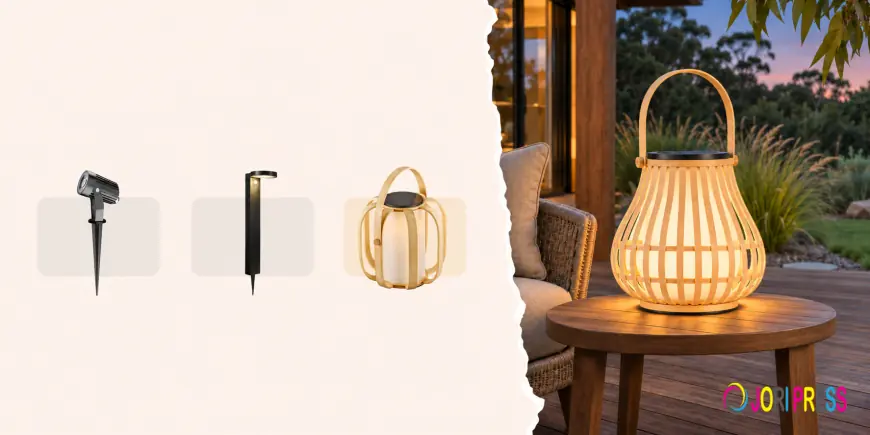
Solar garden lighting has become a useful option for Australian homeowners looking to improve their outdoor spaces without extensive electrical installation work.
From garden pathways and front entrances to patios and landscaped areas, solar-powered lighting can provide decorative or functional illumination when the fittings are matched to the location.
However, choosing the right solar garden lights involves more than selecting an attractive design. Sunlight exposure, brightness, battery runtime, weather protection and installation requirements all influence performance.
This guide explains what Australian homeowners should consider before choosing solar lighting for their gardens.
Why Consider Solar Garden Lighting?
Solar garden lights use photovoltaic panels to collect energy from daylight and store it in rechargeable batteries.
Depending on the fitting and its operating mode, the stored energy powers the light after sunset.
For many Australian homes, solar lighting offers several practical advantages:
- Simpler installation: Some standalone solar lights can be installed without mains electrical cabling.
- Flexible placement: Suitable fittings can be positioned along pathways, in garden beds or around outdoor entertaining areas.
- No mains electricity during standalone operation: Solar lights use stored energy rather than drawing power from the household electricity supply.
- Decorative versatility: Different designs can complement modern, traditional and landscaped outdoor spaces.
Actual performance depends on the product and the charging conditions at its installation location.
Best Types of Solar Garden Lights for Different Outdoor Areas
Solar Bollard Lights for Garden Pathways
Solar bollard lights are freestanding outdoor fixtures commonly used along pathways, garden borders and landscaped areas.
Their height and light distribution can help define walking routes after sunset.
When choosing solar bollard lights, consider the width of your pathway, the fitting's brightness, its light distribution and expected battery runtime.
There is no universal spacing recommendation. The best arrangement depends on the specific fitting and the area being illuminated.
Solar Wall Lights for Entrances
Solar wall lights with motion sensors may suit front doors, side entrances and occasional access points.
Motion-activated designs can increase illumination when movement is detected, depending on their operating settings.
Before buying, check the sensor detection range, brightness, charging requirements and whether the light operates continuously or only when motion is detected.
For entrances requiring dependable illumination throughout the night, wired outdoor lighting may be preferable.
Garden Spike Lights for Landscaping
Garden spike lights can help highlight trees, shrubs, garden sculptures and architectural features.
Their directional design allows homeowners to focus illumination on selected landscape elements.
Solar-powered spike lights may be useful in sunny garden beds where cabling is inconvenient. Wired alternatives may be more suitable for shaded locations or applications requiring consistent illumination.
Always confirm the power source before purchasing, as not all garden spike lights are solar-powered.
Decorative Solar Lights for Patios and Alfresco Areas
Australian outdoor living spaces often benefit from softer decorative lighting.
Warm white solar lights can complement patios, alfresco seating areas and outdoor furniture.
Colour temperatures around 2700K–3000K are useful starting points for creating a warm residential atmosphere.
Decorative lighting should not replace dependable functional illumination around steps, cooking areas or other locations where clear visibility is important.
Important Factors When Buying Solar Garden Lights
1. Brightness and Light Distribution
Brightness is generally measured in lumens, but lumen output alone does not determine how effectively a fitting illuminates a space.
Beam angle, mounting height and diffuser design also influence the result.
Consider whether you need general pathway illumination, directional accent lighting or a decorative glow.
2. Sunlight Exposure
Solar lights need suitable charging conditions to operate as intended.
Trees, buildings, fences and roof overhangs can reduce sunlight exposure.
In Australia, seasonal changes in the sun's position may also affect charging, particularly during winter.
Check the manufacturer's recommended charging conditions before selecting an installation location.
3. Battery Runtime
Advertised battery runtime may depend on full charging, reduced brightness settings or motion-activated operation.
Check whether the stated runtime matches the operating mode you intend to use.
Cloudy weather, shorter winter days and repeated motion-sensor activation may reduce the time a solar light operates at night.
4. IP Ratings and Weather Suitability
Outdoor solar lighting should have an Ingress Protection (IP) rating appropriate for the installation environment.
For example:
- IP44: Protection against splashing water.
- IP54: Dust-protected and resistant to splashing water.
- IP65: Dust-tight and protected against water jets.
- IP66: Dust-tight and protected against powerful water jets.
An IP rating does not automatically confirm suitability for coastal exposure, permanent immersion or every outdoor installation.
Always follow the manufacturer's installation instructions.
5. Maintenance and Battery Replacement
Solar garden lights may require occasional cleaning and maintenance.
Keep solar panels free from dirt, leaves and other obstructions, and check whether replacement batteries are available for the chosen model.
Solar vs Wired Garden Lighting: Which Is Better?
Both solar and wired garden lighting have advantages.
Solar lighting may be suitable for:
- Sunny garden pathways
- Decorative alfresco lighting
- Established gardens where cabling is inconvenient
- Outdoor areas with flexible lighting requirements
Wired lighting may be preferable for:
- Heavily shaded courtyards
- Locations requiring predictable nighttime brightness
- Permanent functional lighting
- Installations requiring more precise lighting control
Many Australian homes can benefit from a combination of solar and wired outdoor lighting.
Solar Garden Lighting in Australian Weather
Australian outdoor environments vary considerably.
In summer, longer daylight hours can improve charging opportunities, but excessive heat may affect rechargeable battery performance and lifespan.
During winter, shorter daylight hours and increased shading may reduce nighttime runtime.
Coastal homes also need to consider salt spray, humidity and corrosion resistance.
Choosing fittings appropriate for the local environment is just as important as selecting the right lighting style.
Final Thoughts
The best solar garden lights for Australian homes are those that suit the intended outdoor area, receive sufficient sunlight and provide appropriate illumination.
Solar bollards may work well along sunny pathways, motion-sensor wall lights can suit entrances, and decorative fittings can enhance patios and alfresco spaces.
Before purchasing, compare the manufacturer's specifications, charging requirements, battery runtime, weather suitability and installation instructions.
What's Your Reaction?
 Like
0
 Dislike
0
 Love
0
 Funny
0
 Angry
0
 Sad
0
 Wow
0