




































Best Skin Healing Cream for Everyday Wounds: What to Consider Before Choosing One
Choose the right wound-care product by understanding ingredients, formulation, label instructions, and skin sensitivity for safer everyday skin healing.

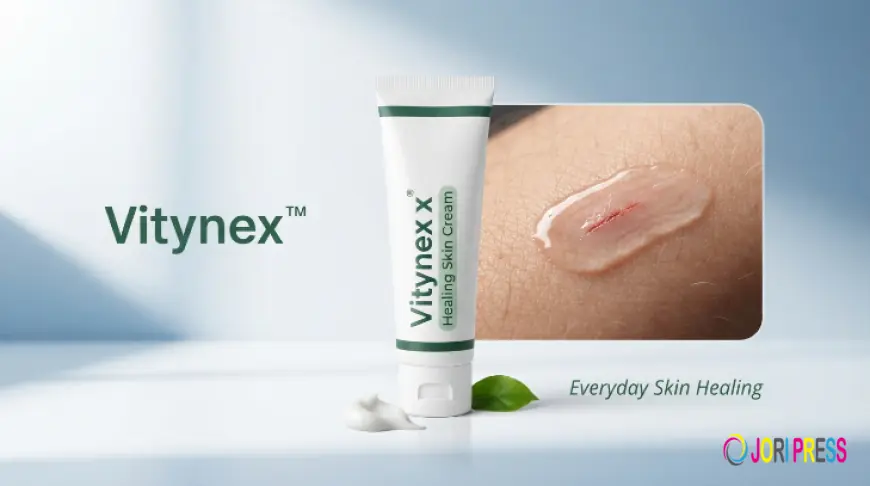
Minor cuts, scrapes, scratches, and everyday skin injuries can happen unexpectedly at home, at work, or during outdoor activities. Choosing the best skin healing cream is not simply about selecting the product with the strongest claims. A suitable product should support a clean, protected, and appropriately moisturized wound environment while being compatible with the surrounding skin. For minor injuries, proper cleaning, protection, and consistent wound care are just as important as the topical product selected.
Understanding Everyday Skin Wounds
Everyday wounds can vary considerably. A small scrape may affect only the outer layer of skin, while a deeper cut may involve more tissue and require professional medical attention. Before applying any cream, it is important to understand the type and severity of the injury.
Common Types of Minor Wounds
Minor cuts can occur from kitchen accidents, sharp objects, household activities, or everyday mishaps. Scrapes may happen when the skin rubs against a rough surface, while superficial irritation can develop from friction or repeated contact.
Although many minor wounds can be cared for at home, deeper wounds, wounds that continue bleeding, or injuries showing signs of infection require appropriate medical evaluation. The American Academy of Dermatology recommends seeking medical attention for cuts that are deep, difficult to control, or accompanied by worsening symptoms.
Why Wound Environment Matters
The condition of the wound environment can influence the healing process. A wound that becomes excessively dry may develop a scab, while appropriate moisture can support the body's natural repair process. Dermatologists commonly recommend keeping minor wounds clean and moist with suitable wound-care products such as petroleum jelly, followed by protective covering.
What to Look for in a Healing Cream
When comparing topical products, consumers should look beyond attractive packaging or broad marketing claims. The ideal choice depends on the type of injury, skin sensitivity, intended use, and the product's ingredients and directions.
Moisture Support
A useful wound-care product should help maintain an appropriate moisture balance rather than allowing the injured area to become excessively dry. Maintaining moisture can help prevent a wound from drying and forming a hard scab, which may interfere with comfortable healing.
For this reason, best wound healing cream should not necessarily mean the most expensive or heavily marketed option. Instead, consumers should consider whether the formulation is designed for the intended type of skin injury and whether it can help maintain a suitable protective environment.
Skin Compatibility
Sensitive or easily irritated skin may react to certain ingredients, fragrances, or unnecessary additives. A product intended for damaged skin should therefore be selected carefully, particularly when the surrounding skin is already dry, irritated, or sensitive.
Reading the ingredient list and following the manufacturer's instructions can help users make more informed choices. When irritation, burning, swelling, or an unusual reaction develops after applying a product, use should be reconsidered and professional advice may be appropriate.
How to Use Skin Healing Products Properly
Even a well-formulated topical product cannot replace basic wound hygiene. Before applying anything to a minor wound, wash your hands and gently clean the injured area with water and a mild cleanser to remove visible dirt or debris. Avoid aggressive scrubbing because additional trauma can irritate healing tissue.
Clean Before Applying
Cleaning the wound is one of the most important parts of everyday wound care. Once the area has been gently cleaned, a suitable topical product can be applied according to its instructions.
For minor wounds, dermatologists commonly recommend petroleum jelly to help maintain moisture. Routine use of topical antibiotic products is not automatically necessary and may cause irritation or allergic reactions in some people.
Protect the Injured Area
After applying an appropriate product, covering a minor wound with a sterile bandage can help protect it from dirt, friction, and repeated reopening. Bandages should be changed regularly, with the wound gently cleaned as needed.
Products described as skin healing creams may be considered as part of a broader wound-care routine, but the product should always be used according to its intended purpose and label instructions. Good wound care combines suitable topical support with cleanliness and physical protection.
Choosing a Cream for Different Skin Needs
Not every person has the same skin characteristics, and not every wound has the same requirements. A product that feels comfortable on one person's skin may not be suitable for someone with particularly sensitive or reactive skin.
Dry or Easily Irritated Skin
Dry skin can become cracked and uncomfortable, potentially making everyday skin injuries more difficult to manage. Creams and ointments may provide stronger moisturizing support than lightweight lotions, particularly when the skin needs additional protection.
When selecting a topical product, look for a formulation appropriate for the affected area and avoid unnecessary ingredients that may increase irritation. Fragrance-free options can be useful for people whose skin reacts easily to fragranced products.
Active Lifestyle and Everyday Injuries
People who regularly participate in sports, outdoor activities, household projects, or physical work may experience minor cuts and abrasions more frequently. Keeping basic wound-care supplies available can make it easier to clean and protect an injury promptly.
A cream to heal wounds should be viewed as one component of an overall care routine rather than a substitute for cleaning, dressing, or professional treatment when needed.
Ingredients and Product Formulation Matter
The ingredients in a topical product can influence how it feels on the skin and how effectively it supports the intended purpose. Moisturizing and protective ingredients can help reduce excessive dryness, while a formulation designed for damaged skin should ideally avoid unnecessary irritation.

Read the Product Label
Before purchasing a wound-care cream, check the product's intended use, directions, warnings, storage instructions, and ingredient information. Pay particular attention to whether the product is intended for minor wounds, intact skin, burns, abrasions, or another specific purpose.
Consumers should also avoid assuming that a product marketed as a healing cream is appropriate for every type of wound. Deeper injuries, infected wounds, serious burns, animal bites, or wounds that fail to improve may require professional evaluation rather than continued self-treatment.
Consider Skin Sensitivity
If your skin is prone to irritation, selecting a simple, appropriate formulation may be preferable to using several products simultaneously. Introducing multiple topical products can make it difficult to determine which ingredient is causing irritation.
The best cream for healing skin is ultimately one that fits the specific situation, is appropriate for the type of injury, and can be used comfortably and correctly as part of proper wound care.
When a Wound Needs More Than a Cream
Topical wound-care products are primarily relevant to minor injuries. They should not delay medical attention when a wound appears serious or is becoming worse.
Signs That Require Attention
Increasing redness, swelling, warmth, pain, pus, unusual discharge, red streaking, or fever can indicate infection and should prompt medical advice. Likewise, a wound that is deep, very painful, continues bleeding, or does not appear to be healing normally should be evaluated by a healthcare professional.
People with certain underlying health conditions may also need more cautious wound management. For example, the American Academy of Dermatology advises people with diabetes to seek medical care for wounds that fail to heal or worsen.
Building a Simple Everyday Wound-Care Routine
Good wound care does not have to be complicated. Start by washing your hands, gently cleaning the injury, controlling bleeding with appropriate pressure, and protecting the area with a suitable dressing. A topical product can then be used when appropriate and according to its directions.
Keeping wounds clean and covered can reduce exposure to dirt and help prevent the injury from reopening during everyday activities. Regularly checking the wound also makes it easier to notice changes that may require additional attention.
Final Thoughts
Choosing a healing cream should involve more than searching for the product with the strongest marketing claim. The most useful approach is to consider the wound type, skin sensitivity, formulation, moisture support, protective properties, and directions for use.
For minor everyday injuries, proper cleaning and protection remain fundamental. A carefully selected topical product can complement these steps by helping maintain a comfortable environment for the skin's natural repair process. When a wound is deep, infected, unusually painful, or slow to heal, however, professional medical advice should take priority over continued self-treatment.
What's Your Reaction?
 Like
0
Like
0
 Dislike
0
Dislike
0
 Love
0
Love
0
 Funny
0
Funny
0
 Angry
0
Angry
0
 Sad
0
Sad
0
 Wow
0
Wow
0