







































Bathroom Interior Design Dubai | Professional Fit-Out Experts
Discover stylish bathroom interior design in Dubai with customized layouts, modern finishes, space-saving solutions, and luxurious details.

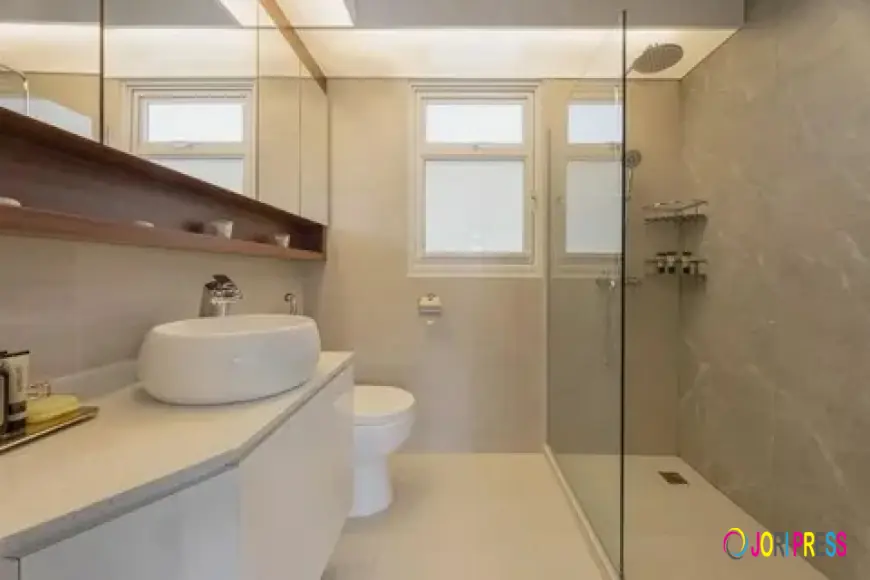
Transforming a standard bathroom into a refined, functional sanctuary requires balancing spatial ergonomics, advanced waterproofing, and high-performance material selections. HSS7 Architects provides full-scope residential interior design, custom joinery, and fit-out solutions for luxury villas and apartments across Dubai and the UAE. A well-executed approach to Bathroom interior design Dubai integrates floating vanities, moisture-resistant surfaces, and layered architectural lighting, optimizing personal routines while resisting the region’s intense heat and elevated ambient humidity.
Why Specialized Bathroom Design Is Essential in Dubai
Bathrooms are high-use, moisture-dense environments that demand precise spatial planning and durable material choices. Poorly planned layouts lead to cramped shower enclosures, inadequate ventilation, water pooling, and premature surface degradation. Professional interior design goes beyond surface aesthetics, establishing an ergonomic structural layout tailored to room dimensions, plumbing locations, and household routines. Utilizing specialized design services ensures that every square meter is maximized through hidden storage niches, wall-mounted fixtures, and seamless glass partitions.
A successful bathroom renovation also relies on seamless technical coordination across MEP (mechanical, electrical, plumbing) systems, civil works, and tile installation. High-capacity drainage points, exhaust ventilation, task lighting, and concealed flushing mechanisms must be mapped early during space planning to avoid costly post-installation modifications. Aligning your project with high-standard Bathroom interior design Dubai practices guarantees an elevated aesthetic that stands up against heavy daily usage and constant moisture exposure.
How Climate Conditions and Water Quality Influence Material Selection
Designing wet areas in the Middle East involves distinct environmental and chemical factors that affect long-term material performance. Year-round high humidity can cause low-grade substrate materials to swell, warping vanity cabinetry and peeling laminates over time. Therefore, high-density, moisture-resistant marine plywood and anti-fungal sealing compounds are essential for long-lasting structural integrity.
Additionally, regional tap water conditions can lead to limescale and mineral deposits on fixtures and glass surfaces. Selecting non-porous engineered quartz, large-format porcelain slabs, and specialised brushed metallic hardware (such as PVD-coated brushed brass or matte black fittings) prevents water spotting, corrosion, and discolouration. Combining non-slip floor tiles with properly sloped shower basins ensures rapid drainage, maintaining a clean, safe environment.
Core Features, Material Options, and Renovation Phases
To better understand how a complete bathroom transformation is planned and executed, review the detailed lists below covering key features and project steps:
Essential Elements of Modern Luxury Bathroom Design
-
Wall-Mounted Vanities & Toilets: Floating fixtures that free up floor space, simplify cleaning, and enhance visual openness in both compact and spacious layouts.
-
Large-Format Porcelain & Natural Stone Slabs: Low-porosity wall claddings and slip-resistant floor tiles that minimize grout lines and resist staining.
-
Frameless Glass Enclosures & Wet Rooms: Custom tempered glass partitions that maintain open sightlines and contain water spray effectively.
-
Layered Architectural Lighting: Combining ambient cove lighting, dimmable mirror LEDs, and IP-rated shower spotlights to set the mood and improve visibility.
-
Concealed Storage & Recessed Niches: Built-in shower shelves and mirrored medicine cabinets that keep counter surfaces organized and clutter-free.
Key Phases of a Complete Bathroom Fit-Out Workflow
-
Site Inspection & Plumbing Evaluation: Assessing existing water lines, soil pipes, and waterproofing conditions before finalizing layout concepts.
-
3D Concept Design & Material Selection: Creating realistic visual renderings and choosing tiles, vanity finishes, sanitaryware, and hardware finishes.
-
Authority Approvals & Work Permits: Obtaining No Objection Certificates (NOCs) from building management, master developers, or local authorities prior to wet works.
-
Demolition, Tanking & Waterproofing Application: Stripping old fixtures, applying multi-layer liquid waterproofing membranes, and conducting mandatory flood tests.
-
Joinery Installation, Tiling & Final Handover: Mounting custom vanities, laying precision tiles, connecting luxury sanitaryware, and conducting final snagging walkthroughs.
Maximizing Space in Compact and En-Suite Layouts
Off-the-shelf vanities and standard cabinetry often leave awkward gaps and unused corners in non-standard bathroom footprints. Bespoke joinery utilizes every available centimeter of wall height, integrating hidden laundry hampers, vertical pull-out organizers, and electrical outlets inside drawers.
In compact apartments and master suite additions, space-saving strategies such as sliding pocket doors, linear floor drains, and continuous floor-to-ceiling tiling create a seamless visual flow. Investing in tailored Bathroom interior design Dubai ensures your layout balances maximum storage with comfortable movement, tailored to your household's exact routines.
Navigating Approvals and Technical Waterproofing Standards
Executing a bathroom renovation in Dubai requires strict compliance with community regulations and building codes. Renovation projects in shared residential towers and master-planned villa communities typically require a No Objection Certificate (NOC) from building management or developer authorities before wet works begin. Projects involving structural wall alterations or major MEP re-routing may also require municipal permits.
From a technical standpoint, multi-layer waterproofing (tanking) is the single most critical step in bathroom construction. Applying elastomeric waterproofing membranes across all floor surfaces and up shower walls prevents water ingress into surrounding rooms or lower-level properties. Partnering with an experienced fit-out contractor ensures all waterproofing works undergo rigorous flood testing before tile setting begins, protecting your home against long-term structural moisture damage.
What to Expect During a Professional Interior Renovation
Achieving a seamless bathroom overhaul requires structured project management and clear communication. During the initial consultation, interior designers evaluate space constraints, discuss functional preferences, and refine budget parameters. Detailed 3D renderings and material boards allow homeowners to approve tile textures, sanitaryware models, and lighting layouts before procurement.
Once design concepts and permits are secured, project managers coordinate site protection, demolition, plumbing modifications, and waterproofing. Skilled artisans lay tiles with tight grout lines, mount custom-fabricated vanities, and install precision glass partitions. Following final plumbing pressure checks and lighting calibrations, the space undergoes a comprehensive snagging inspection before being handed over ready for daily use.
Frequently Asked Questions
How long does a complete bathroom interior renovation take in Dubai?
A cosmetic refresh (replacing vanities, hardware, and mirrors) typically takes 1 to 2 weeks. A full bathroom renovation involving demolition, retiling, waterproofing, plumbing changes, and custom joinery usually takes 3 to 5 weeks, depending on permit timelines and scope.
Do I need developer or municipal approval to renovate my bathroom?
Yes. Most apartment buildings and gated villa communities in Dubai require a No Objection Certificate (NOC) from the developer or building management prior to starting wet works or retiling. Major structural or MEP changes may also require municipal permits.
What are the best flooring materials for Dubai bathrooms?
Large-format matte porcelain tiles with non-slip ratings (R10 or higher) are recommended for bathroom floors. They offer low water absorption, minimal grout lines, high stain resistance, and superior durability compared to unsealed natural stone.
Can I change the layout of my existing bathroom plumbing?
Yes, provided structural slab constraints and drainage drop points allow for re-routing. If moving soil pipes is restricted by building architecture, raised floor platforms or wall-hung concealed cistern frames can be engineered to relocate fixtures safely.
How do I prevent mold and humidity buildup in an en-suite bathroom?
Installing a properly sized inline mechanical exhaust fan, using anti-mold silicone sealants, choosing moisture-rated ceiling materials, and ensuring adequate air gap clearances under doors effectively prevent humidity buildup and mold growth.
What's Your Reaction?
 Like
0
Like
0
 Dislike
0
Dislike
0
 Love
0
Love
0
 Funny
0
Funny
0
 Angry
0
Angry
0
 Sad
0
Sad
0
 Wow
0
Wow
0