







































Baby Products Market Size, Share & Growth Forecast 2024–2033
Baby Products Market to reach USD 611.4 billion by 2033, growing at a 6.1% CAGR, driven by infant care, premium products, and e-commerce growth.
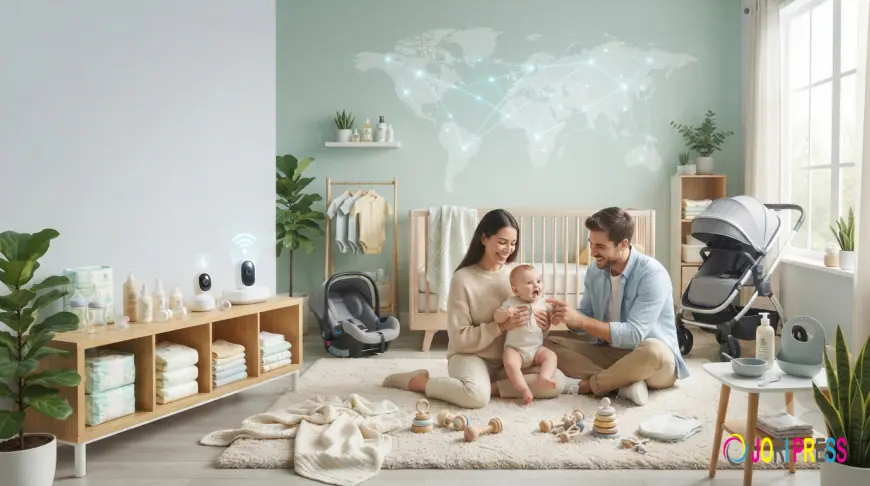
The Global Baby Products Market is witnessing remarkable growth as parents increasingly prioritize infant health, hygiene, nutrition, comfort, and safety. The market is projected to reach USD 357.9 billion in 2024 and is expected to expand at a CAGR of 6.1% through 2033, ultimately reaching USD 611.4 billion. Rising disposable incomes, urbanization, growing awareness of child wellness, and continuous product innovation are driving long-term market expansion across both developed and emerging economies.
Modern parents are seeking products that combine convenience, quality, and safety. From organic skincare products and premium diapers to smart baby monitors and ergonomic strollers, manufacturers are continuously introducing advanced solutions designed to meet evolving consumer expectations. The increasing influence of digital retail channels has also made premium baby care products more accessible than ever before.
Additionally, sustainability has become a major purchasing factor. Eco-friendly packaging, biodegradable diapers, organic fabrics, and toxin-free formulations are gaining popularity among environmentally conscious consumers. As brands continue investing in product innovation and digital engagement, the Global Baby Products Market is expected to maintain steady growth throughout the forecast period.
Market Overview
The baby products industry encompasses a broad range of products designed to support infant growth, health, hygiene, nutrition, comfort, and development. These products serve newborns, toddlers, and young children while addressing the evolving needs of modern families.
Growing parental awareness regarding child safety and early childhood development has significantly increased spending on premium baby products. Parents are increasingly willing to invest in high-quality products that improve comfort while minimizing health risks.
Technological innovation is transforming traditional baby products into smart parenting solutions. Connected baby monitors, wearable health trackers, intelligent feeding systems, and AI-powered nursery devices are becoming increasingly popular among tech-savvy families.
Furthermore, increasing participation of women in the workforce has generated higher demand for convenient, time-saving baby care solutions, creating new opportunities across multiple product categories.
Market Size and Growth Outlook
The Global Baby Products Market demonstrates strong long-term growth potential.
Market Highlights
-
Market Size (2024): USD 357.9 Billion
-
Projected Market Size (2033): USD 611.4 Billion
-
CAGR (2024–2033): 6.1%
Several structural factors continue supporting this positive outlook, including:
-
Growing global birth rates in emerging economies
-
Increasing disposable household incomes
-
Rising demand for premium infant care products
-
Expansion of e-commerce platforms
-
Growing awareness of child nutrition
-
Product innovation across baby care categories
-
Higher spending among millennial and Gen Z parents
-
Rising focus on sustainability
Key Market Drivers
Growing Awareness of Infant Health and Safety
Parents today conduct extensive research before purchasing baby products. Safety certifications, dermatological testing, organic ingredients, and non-toxic materials have become major purchasing considerations.
Products featuring BPA-free plastics, hypoallergenic fabrics, chemical-free skincare formulations, and food-grade materials continue experiencing strong demand worldwide.
Rising Number of Working Mothers
Increasing female workforce participation is significantly influencing purchasing behavior.
Working parents often seek products that simplify childcare while ensuring maximum comfort and safety. Convenient feeding accessories, disposable hygiene products, wearable baby carriers, and automated baby monitoring systems have become increasingly popular.
Premiumization of Baby Care Products
Parents increasingly associate premium baby products with better quality, enhanced safety, and improved developmental benefits.
Luxury baby skincare, organic baby food, ergonomic furniture, and advanced mobility products continue gaining popularity, particularly among urban households.
Rapid Growth of E-Commerce
Online shopping has transformed how parents purchase baby products.
Digital platforms provide:
-
Extensive product variety
-
Customer reviews
-
Competitive pricing
-
Home delivery
-
Subscription services
-
Personalized recommendations
These advantages continue driving online sales globally.
Emerging Market Trends
Organic and Natural Baby Products
Demand for organic baby products continues growing rapidly.
Consumers increasingly prefer:
-
Organic baby lotions
-
Natural shampoos
-
Plant-based wipes
-
Organic cotton clothing
-
Chemical-free diapers
This trend reflects increasing awareness regarding infant skin sensitivity and environmental sustainability.
Smart Baby Care Technology
Technology integration has become a defining trend.
Popular innovations include:
-
Smart baby monitors
-
Sleep tracking devices
-
Temperature sensors
-
Intelligent bottle warmers
-
Connected feeding systems
-
Wearable baby health monitors
These technologies improve parental convenience while enabling continuous infant monitoring.
Sustainable Manufacturing
Manufacturers are increasingly adopting environmentally responsible production methods.
Examples include:
-
Biodegradable diapers
-
Recyclable packaging
-
Eco-friendly textiles
-
Water-efficient manufacturing
-
Carbon footprint reduction initiatives
Sustainability is becoming a competitive differentiator across global markets.
Personalization
Parents increasingly seek products tailored to their child's individual needs.
Customized skincare formulations, personalized feeding plans, adjustable baby furniture, and developmental toys designed for specific age groups are becoming more common.
Market Challenges
Product Safety Regulations
Baby products are subject to stringent regulatory requirements worldwide.
Manufacturers must comply with safety standards related to:
-
Product materials
-
Chemical composition
-
Product labeling
-
Manufacturing quality
-
Performance testing
Meeting these standards often increases development costs.
Counterfeit Products
The growing popularity of online shopping has unfortunately increased the circulation of counterfeit baby products.
Fake products pose safety concerns while negatively impacting consumer trust and brand reputation.
Price Sensitivity
Premium baby products often carry higher prices.
In developing regions, affordability remains an important purchasing factor, encouraging manufacturers to balance innovation with competitive pricing.
Market Opportunities
Expansion in Emerging Economies
Rapid urbanization, growing middle-class populations, and improving healthcare awareness create substantial opportunities in developing countries.
As household incomes increase, parents are allocating larger portions of their budgets toward premium baby care products.
Subscription-Based Services
Subscription models for diapers, baby food, skincare products, and wellness kits provide convenience while encouraging customer loyalty.
This recurring revenue model is becoming increasingly attractive for manufacturers.
Digital Parenting Ecosystems
Companies are expanding beyond physical products by offering:
-
Parenting mobile applications
-
Digital healthcare guidance
-
Growth tracking platforms
-
Online pediatric consultations
-
Personalized product recommendations
These integrated ecosystems strengthen customer relationships.
Product Segmentation
Baby Food
Baby nutrition remains one of the largest product categories.
Growing demand for fortified, organic, and clean-label products continues supporting market expansion.
Baby Skincare
This segment includes:
-
Lotions
-
Oils
-
Creams
-
Powders
-
Shampoos
-
Soaps
Parents increasingly prioritize dermatologist-tested and chemical-free formulations.
Baby Diapers
Disposable diapers remain dominant due to convenience.
However, reusable and biodegradable alternatives are gaining popularity among environmentally conscious consumers.
Baby Apparel
Demand continues growing for:
-
Organic cotton clothing
-
Comfortable sleepwear
-
Seasonal apparel
-
Eco-friendly fabrics
Comfort and skin safety remain major purchasing factors.
Baby Gear
Baby gear includes:
-
Strollers
-
Car seats
-
Baby carriers
-
High chairs
-
Cribs
-
Walkers
Manufacturers continue improving safety features while enhancing product portability and functionality.
Distribution Channel Analysis
Online Retail
Online platforms continue recording the fastest growth.
Benefits include:
-
Wider product selection
-
Competitive pricing
-
Customer reviews
-
Faster delivery
-
Easy product comparison
Supermarkets and Hypermarkets
Large retail stores remain important distribution channels due to product availability and attractive promotional offers.
Specialty Stores
Dedicated baby stores offer personalized shopping experiences along with expert guidance, encouraging customer confidence in premium purchases.
Pharmacies
Pharmacies remain trusted outlets for infant nutrition, healthcare products, and baby skincare solutions.
Regional Analysis
The Asia Pacific region is expected to account for 44.4% of the Global Baby Products Market in 2024 and is projected to maintain strong growth throughout the forecast period.
Several factors contribute to regional leadership:
-
High birth rates
-
Rising disposable incomes
-
Growing urbanization
-
Expanding middle-class population
-
Increasing awareness regarding infant health
-
Higher participation of women in the workforce
Countries such as India and China continue driving regional demand. India alone contributes nearly one-fifth of annual global births, with approximately 25 million babies born each year. The country's growing population of young parents increasingly prioritizes nutrition, healthcare, hygiene, and child safety, supporting strong demand across multiple baby product categories.
Increasing smartphone penetration and expanding e-commerce infrastructure further accelerate product accessibility throughout both metropolitan and smaller cities.
North America continues experiencing stable growth supported by premium product adoption, technological innovation, and high consumer awareness regarding infant safety.
Europe remains an important market due to stringent product safety standards, growing sustainability initiatives, and increasing demand for organic baby care products.
Latin America is steadily expanding as urban populations increase and retail infrastructure continues improving.
The Middle East and Africa are also witnessing gradual market development, driven by improving healthcare systems, rising household incomes, and expanding retail networks.
Competitive Landscape
The Global Baby Products Market remains highly competitive as companies continuously invest in:
-
Product innovation
-
Sustainable materials
-
Smart technology integration
-
Digital marketing
-
Premium product development
-
Geographic expansion
-
Consumer education
-
E-commerce partnerships
Manufacturers are focusing on building consumer trust through product quality, safety certifications, transparent ingredient disclosure, and environmentally responsible manufacturing practices.
Future Outlook
The future of the Global Baby Products Market appears highly promising.
Key developments expected to shape future growth include:
-
Greater adoption of smart parenting technologies
-
Expansion of organic and natural baby care products
-
Increased use of biodegradable materials
-
Personalized baby nutrition
-
AI-enabled monitoring solutions
-
Digital healthcare integration
-
Expansion into emerging economies
-
Continued growth of online retail
As parents become increasingly informed and quality-conscious, companies that successfully combine innovation, sustainability, affordability, and safety will be best positioned for long-term success.
Frequently Asked Questions (FAQs)
1. What is the expected size of the Global Baby Products Market by 2033?
The market is projected to grow from USD 357.9 billion in 2024 to approximately USD 611.4 billion by 2033, expanding at a CAGR of 6.1%.
2. What factors are driving the Global Baby Products Market?
Major growth drivers include increasing birth rates in emerging economies, rising disposable incomes, growing awareness of infant health, premium product demand, expanding e-commerce, and continuous product innovation.
3. Which region dominates the Global Baby Products Market?
Asia Pacific is expected to hold 44.4% of the market in 2024, supported by high birth rates, rising urbanization, increasing numbers of working mothers, and growing consumer spending on infant care.
4. Which product categories are experiencing strong demand?
Baby food, diapers, skincare products, baby apparel, smart monitoring devices, and baby gear continue experiencing significant global demand.
5. What trends are shaping the future of the market?
Key trends include organic baby care products, sustainable manufacturing, smart parenting technologies, AI-powered monitoring devices, biodegradable materials, and personalized infant care solutions.
Summary of Key Insights
The Global Baby Products Market is entering a strong phase of sustained expansion, supported by rising parental awareness, technological innovation, premium product adoption, and growing investments in infant health and safety. With the market expected to increase from USD 357.9 billion in 2024 to USD 611.4 billion by 2033, manufacturers have significant opportunities to capitalize on evolving consumer preferences. The Asia Pacific region remains the leading growth engine, while sustainability, digital commerce, and smart baby care solutions are expected to define the industry's future. Businesses that prioritize safety, innovation, affordability, and environmental responsibility will be well-positioned to achieve long-term success in this dynamic global market.
What's Your Reaction?
 Like
0
Like
0
 Dislike
0
Dislike
0
 Love
0
Love
0
 Funny
0
Funny
0
 Angry
0
Angry
0
 Sad
0
Sad
0
 Wow
0
Wow
0