











































What Your Old Car Might Be Worth After Years of Neglect
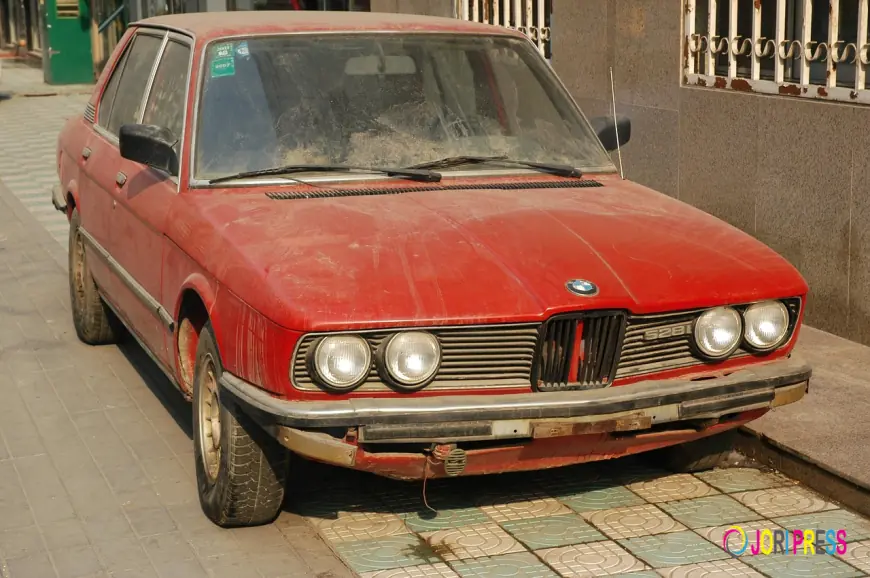
An old car doesn't become worthless simply because it has been sitting around for years. But neglect can change what someone is willing to pay for it.
A vehicle that once had decent resale value may now have a dead battery, seized brakes, flat tires, rust, expired registration, or an engine that no longer runs. At that point, its value is determined very differently.
This is especially true when comparing a neglected vehicle with one that has been maintained regularly.
So, what might your old car actually be worth after years of neglect?
Neglect Doesn't Affect Every Car the Same Way
Two vehicles of the same year and model can have very different values.
Consider two 15-year-old sedans:
Car A:
It has been driven regularly, maintained, kept relatively clean, and has no major mechanical problems.
Car B:
It has been sitting for three years, has four flat tires, visible rust, a dead battery, cracked belts, damaged brakes, and an engine that hasn't been started in months.
They may look similar on paper, but they're no longer worth the same amount.
The second vehicle may have shifted from being a traditional used car to being a repair project, parts vehicle, or one of the many scrap cars that eventually enter the recycling stream.
What Happens to a Car When It Sits Unused?
Leaving a vehicle parked for a long time doesn't preserve it.
In fact, some components deteriorate faster when a car isn't being used.
Battery Failure
A battery can lose its charge when a vehicle sits unused. Over a long enough period, it may become permanently damaged and require replacement.
That's one of the easiest problems to fix, but it may only be the beginning.
Tires Can Deteriorate
A car that sits in one position for months or years can develop tire problems. Tires may lose pressure, develop flat spots, crack from age, or become unsafe even if they still appear to have tread.
Four replacement tires can add a significant cost before the vehicle is even ready to drive.
Brakes Can Rust
Brake components are exposed to moisture and can corrode while sitting.
Rotors may develop heavy surface rust, while calipers and other components can seize. A vehicle that hasn't moved for years may require considerable brake work before it can safely return to the road.
Fluids and Seals Can Cause Problems
Oil, coolant, brake fluid and other fluids don't make an old vehicle immune to age.
Rubber seals, hoses and gaskets can also deteriorate over time. Once the vehicle is started again, leaks that weren't obvious while it was parked may become apparent.
Rust Can Change the Equation Quickly
Rust is one of the biggest concerns with an older neglected vehicle, particularly in regions where vehicles are exposed to winter road salt.
Surface rust isn't necessarily a deal-breaker.
Structural rust is different.
Rust affecting the frame, suspension mounting points, rocker panels, floor sections or other structural areas can make repairs expensive and may affect whether the vehicle is economically worth restoring.
A car can still look acceptable from several feet away while having significant corrosion underneath.
That's why an inspection underneath the vehicle matters.
Mechanical Neglect Can Be More Expensive Than the Car
The biggest question isn't always, "How much will this repair cost?"
It's often:
"How much will the car be worth after I pay for the repairs?"
Suppose a neglected vehicle could potentially sell for $4,000 after being repaired, but it needs $5,000 worth of work.
Putting more money into it doesn't automatically make financial sense.
Major problems such as a failed transmission, blown engine, severe rust, electrical faults, or extensive suspension damage can quickly push repair costs beyond the vehicle's realistic market value.
Missing Maintenance Records Can Also Matter
A buyer wants to know what they're getting.
If you have maintenance records showing regular oil changes, brake work, tire replacements and other repairs, you can demonstrate that the vehicle was cared for.
A neglected car often comes with the opposite problem: uncertainty.
If nobody knows when the timing belt was changed, whether the transmission was serviced, or how long the vehicle has been sitting, a potential buyer may factor that risk into their offer.
Cosmetic Damage Adds Up Too
Neglect isn't limited to mechanical problems.
Years of exposure to the elements can result in:
- Faded or peeling paint
- Dents and scratches
- Cracked headlights
- Damaged trim
- Torn seats
- Stained carpets
- Broken interior components
- Missing badges or accessories
One small cosmetic problem might not matter much.
But when a vehicle has several of them at the same time, the overall impression can significantly reduce its appeal to a private buyer.
What About a Car That Doesn't Run?
A non-running car can still have value.
It may contain usable components such as:
- Engine components
- Transmission
- Catalytic converter
- Wheels
- Tires
- Alternator
- Starter
- Body panels
- Interior components
- Electronics
The condition and demand for those components can affect what the vehicle is worth.
The metal itself also has value, although scrap pricing varies based on market conditions, vehicle weight, materials and other factors.
This means a car that is no longer practical to repair doesn't necessarily have to sit in a driveway indefinitely.
How Can You Estimate What Your Neglected Car Is Worth?
Start by being realistic about its current condition.
Ask yourself:
Does it run?
A running vehicle generally has more options than one that doesn't start.
How long has it been sitting?
A vehicle parked for a few months is very different from one neglected for several years.
How bad is the rust?
Surface corrosion and structural corrosion can have very different consequences.
What major components still work?
The condition of the engine, transmission, drivetrain and other major components matters.
Is it complete?
Missing wheels, catalytic converters, batteries, interior components or other parts can affect its value.
How much would it cost to make it roadworthy?
Don't estimate only the first repair. Consider the entire list of work required.
What is the current market value of similar vehicles?
Compare your vehicle's actual condition with comparable cars—not examples that are significantly better maintained.
Repair, Sell or Scrap?
Once you've assessed the vehicle, you generally have three choices.
Repair It
Repairing may make sense if the vehicle is mechanically sound and the required work is relatively affordable.
It's particularly worth considering if the car has sentimental value or if replacing it would cost considerably more.
Sell It As-Is
If the car still has usable value but needs work, selling it as-is may be an option.
Be honest about its condition. A buyer who knows the vehicle needs repairs can make an informed decision.
Consider Removal and Recycling
If the car has extensive rust, major mechanical failure, hasn't run for years, or would cost more to repair than it's realistically worth, continuing to store it may not make sense.
In that situation, scrap car removal can provide a practical way to have the vehicle collected and sent for recycling rather than continuing to let it occupy valuable space.
Don't Judge the Value by Age Alone
A 15-year-old car isn't automatically a scrap vehicle.
Likewise, a 10-year-old car isn't automatically worth thousands.
Age is only one part of the equation.
The vehicle's condition, mileage, maintenance history, mechanical state, rust, completeness and current demand all influence what it may be worth.
A neglected car may have lost much of its resale value, but it can still have value through its usable parts and recyclable materials.
The Bottom Line
Years of neglect can turn a once-reliable vehicle into an expensive repair project. Dead batteries, seized brakes, deteriorated tires, rust, mechanical failures and cosmetic damage can all reduce what buyers are willing to pay.
Before spending money on repairs, work out what the vehicle could realistically be worth afterward.
If the repair bill is approaching or exceeding that figure, keeping the car may no longer make financial sense.
Your old car may not be worth what it was years ago—but that doesn't mean it is worth nothing. Sometimes the smarter decision is simply to stop spending money on a vehicle that has already reached the end of its useful life.
What's Your Reaction?
 Like
0
Like
0
 Dislike
0
Dislike
0
 Love
0
Love
0
 Funny
0
Funny
0
 Angry
0
Angry
0
 Sad
0
Sad
0
 Wow
0
Wow
0