






































Artificial Intelligence Kit for Students: Learn Smart Tech Through Real Projects
Explore how an artificial intelligence kit helps students learn AI, coding, and robotics through hands-on projects. Tips to choose the right kit for schools.

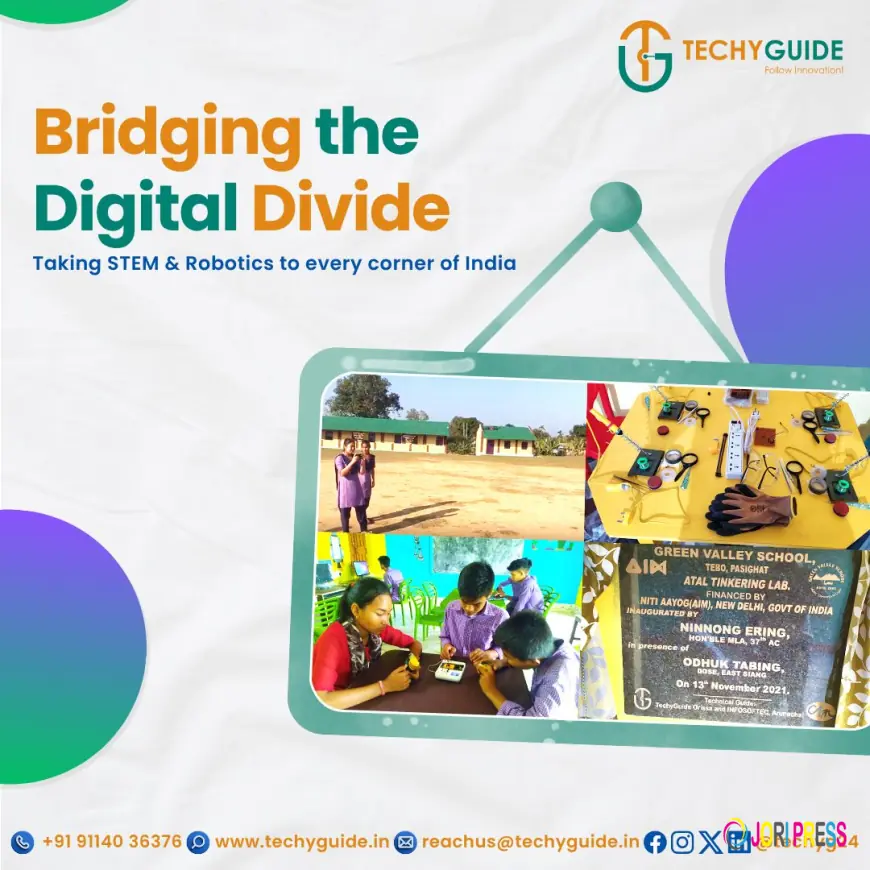
Artificial intelligence is no longer limited to research labs and big tech companies. It now powers voice assistants, recommendation engines, and self-driving vehicles, and students are curious about how it all works. An Artificial intelligence kit gives young learners a safe, practical way to explore how machines see, listen, learn, and make decisions, without needing an advanced degree.
What Does an AI Learning Kit Include?
Most educational AI kits combine hardware and software in one package:
- A programmable controller or microcomputer as the "brain"
- Sensors for sound, light, distance, and motion
- A camera module for image and object recognition
- Motors, wheels, and modular building parts
- A coding platform, often block-based, with beginner-friendly AI modules
Together, these let students move from simple experiments to working intelligent models.
Skills Students Develop
Working with AI hardware builds more than technical knowledge. Students practice logical thinking, data handling, and creative problem-solving. They learn how a machine is trained with examples, why more data improves accuracy, and how mistakes in input lead to mistakes in output. These lessons are useful whether a student later chooses engineering, design, business, or research.
Soft skills grow too. Team-based projects encourage communication, patience, and the habit of testing ideas until they work.
Where Tebot Fits In
Robotics is one of the easiest ways to make AI concepts visible, because students can watch a machine respond to what it senses. That is why Tebot is a popular choice for schools that want to combine robotics with early AI learning. Its modular design, beginner-friendly coding, and classroom-ready build let students progress from basic movement to sensor-driven, decision-making projects. Teachers also benefit, since setup is simple and lessons can be matched to existing STEM periods.
How to Choose the Right Kit
Not all kits suit every learner. Keep these points in mind before buying:
- Age suitability: Match the difficulty to the student's grade and coding experience.
- Coding options: Look for block-based coding that can grow into Python.
- Learning material: Guided lessons and project manuals save time.
- Durability: Parts should handle repeated use, especially in schools.
- Expandability: Choose a kit that supports add-on sensors and new projects.
- Support: Reliable customer service and teacher resources make a real difference.
Beginner Projects to Try
Once a kit is set up, these projects work well for first-timers:
- A face-detecting door alarm
- A voice-controlled robot car
- An obstacle-avoiding vehicle that learns from its mistakes
- A smart plant monitor that reacts to soil and light data
- A gesture-controlled game controller
Starting with small wins keeps motivation high and builds confidence for more complex builds.
Final Thoughts
Preparing students for an AI-driven future starts with hands-on experience, not just theory. A well-chosen Artificial intelligence kit turns abstract ideas like machine learning and computer vision into projects students can build, test, and improve. Whether you are a parent, teacher, or school administrator, investing in the right kit today helps young learners develop the curiosity and confidence they need to become creators of technology, not just users of it.
What's Your Reaction?
 Like
0
Like
0
 Dislike
0
Dislike
0
 Love
0
Love
0
 Funny
0
Funny
0
 Angry
0
Angry
0
 Sad
0
Sad
0
 Wow
0
Wow
0