








































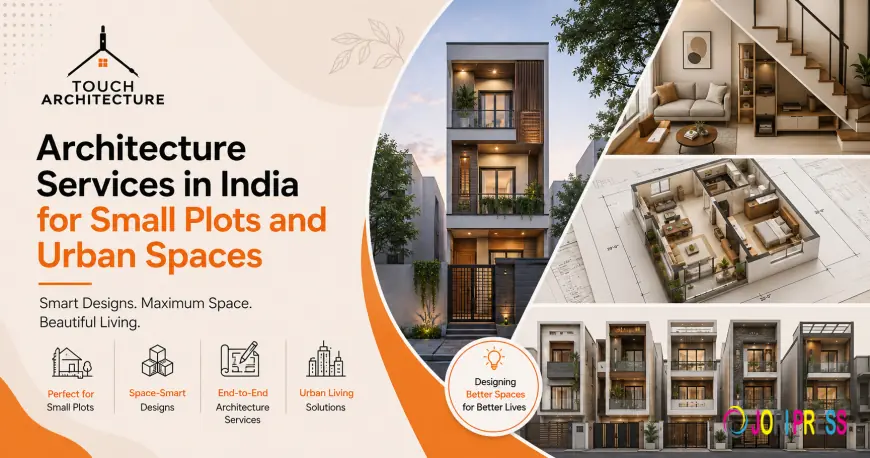
Architecture Services in India for Small Plots and Urban Spaces
Explore how modern architecture services in India transform small plots and urban spaces into functional, stylish, and sustainable homes through smart design, efficient layouts, and innovative planning solutions.

Introduction
As Indian cities continue to grow, land availability is becoming increasingly limited. Rising property prices, urban expansion, and population growth have led to a significant increase in demand for smaller residential plots and compact developments. While limited space may seem like a challenge, modern architecture has proven that thoughtful design can transform even the smallest plot into a functional, comfortable, and visually appealing space.
Today, homeowners are no longer looking only for larger homes; they are seeking smarter homes. The focus has shifted toward efficient planning, optimized layouts, sustainability, and flexible living spaces. This shift has made professional architectural expertise more valuable than ever.
Whether it's a 50-square-yard plot in a metropolitan city or a compact corner plot in a developing suburb, experienced architects can unlock the full potential of available space. This is why Architecture Services in Delhi NCR and other urban regions are increasingly focused on innovative solutions for small plots and dense urban environments.
Why Small Plot Design Requires Specialized Architectural Planning
Designing a home on a large piece of land offers flexibility. Small plots, however, require a completely different approach.
Every square foot matters when space is limited. Poor planning can result in:
- Cramped interiors
- Lack of natural light
- Poor ventilation
- Inefficient circulation
- Reduced storage
- Uncomfortable living spaces
A skilled architect carefully balances aesthetics, functionality, privacy, and future needs while maximizing every available inch of space.
This strategic planning is what separates a well-designed compact home from one that feels overcrowded and restrictive.
Challenges of Urban Residential Plots in India
Urban homeowners face several unique challenges during the design process.
Limited Plot Sizes
In major cities, residential plots often range between 500 and 1500 square feet, making space optimization a priority.
Building Regulations
Local authorities impose regulations related to:
- Setbacks
- Floor Area Ratio (FAR)
- Building height
- Parking requirements
- Open space provisions
Architects must design within these parameters while meeting the homeowner's expectations.
Privacy Concerns
Urban homes are frequently surrounded by neighboring buildings.
Proper architectural planning helps maintain privacy without sacrificing natural light and ventilation.
Increasing Functional Requirements
Modern families often require:
- Home offices
- Study areas
- Storage solutions
- Multipurpose rooms
- Dedicated parking
Accommodating these needs within a compact footprint requires careful space planning.
Smart Design Strategies for Small Plots
Architects use several innovative techniques to maximize urban spaces.
Vertical Space Utilization
One of the most effective strategies is designing vertically rather than horizontally.
Multi-story homes help homeowners achieve:
- Larger living areas
- Better zoning of spaces
- Additional bedrooms
- Dedicated workspaces
Vertical planning allows small plots to accommodate larger functional requirements.
Open Floor Plans
Walls consume valuable space and can make interiors feel smaller.
Open-plan layouts create:
- Better visual connectivity
- Improved natural light distribution
- Enhanced airflow
- Greater flexibility
Combining living, dining, and kitchen areas often makes compact homes feel significantly larger.
Flexible Spaces
Modern urban homes benefit from rooms that serve multiple purposes.
Examples include:
- Guest rooms that double as offices
- Foldable furniture systems
- Convertible study areas
- Multi-functional family spaces
Flexible planning helps homeowners adapt their homes as needs evolve.
Optimized Storage Solutions
Storage is often one of the biggest challenges in compact homes.
Architects integrate storage into:
- Staircases
- Wall units
- Under-bed spaces
- Furniture systems
- Loft areas
Well-designed storage reduces clutter and improves functionality.
Importance of Natural Light and Ventilation
Many small urban homes suffer from poor indoor environments due to inadequate planning.
Architects address this issue through:
Strategic Window Placement
Properly positioned windows improve:
- Daylighting
- Cross ventilation
- Indoor comfort
Skylights and Light Wells
When side openings are limited, skylights and internal courtyards help introduce natural light into deeper parts of the home.
Double-Height Spaces
Selective use of double-height areas creates visual openness and improves airflow.
These design interventions make compact homes feel brighter and more spacious.
Sustainable Design for Urban Homes
Sustainability is becoming increasingly important in modern architecture.
Small plots present excellent opportunities to integrate environmentally responsible design strategies.
Energy-Efficient Planning
Architects optimize building orientation to:
- Reduce heat gain
- Improve daylight access
- Lower energy consumption
Rainwater Harvesting
Even compact urban homes can incorporate rainwater collection systems.
Green Roofs and Terraces
Rooftop gardens help:
- Improve thermal performance
- Reduce urban heat effects
- Create recreational spaces
Water-Efficient Fixtures
Sustainable plumbing solutions contribute to long-term resource conservation.
Many homeowners seeking Architecture Services in Delhi NCR now prioritize sustainable design features as part of their project goals.
Designing for Future Expansion
One common mistake homeowners make is designing only for their current needs.
Professional architects plan for future adaptability.
This may include:
- Structural provisions for additional floors
- Flexible room configurations
- Expandable service systems
- Future rental opportunities
Future-ready planning increases property value and reduces renovation costs later.
Technology and Small Space Design
Advancements in architectural technology have transformed how compact spaces are designed.
3D Visualization
Modern software allows homeowners to understand layouts before construction begins.
Space Simulation
Architects can evaluate circulation, functionality, and usability during the design phase.
Building Information Modeling (BIM)
BIM improves coordination between architects, engineers, and contractors.
These technologies help minimize errors and improve project efficiency.
Common Design Features in Modern Urban Homes
Today's small-plot homes often incorporate several innovative features.
Compact Courtyards
Internal courtyards bring natural light and ventilation into dense urban environments.
Floating Staircases
Lightweight staircase designs create visual openness.
Rooftop Living Spaces
Terraces are increasingly used for:
- Family gatherings
- Outdoor dining
- Gardening
- Recreation
Minimalist Interiors
Clean lines and uncluttered spaces help small homes feel larger and more organized.
Choosing the Right Architectural Partner
The success of a small-plot project depends largely on the expertise of the architect.
When selecting a design partner, homeowners should consider:
Relevant Experience
Review projects involving compact urban sites.
Design Approach
Ensure the architect prioritizes functionality alongside aesthetics.
Technical Expertise
Urban projects often require careful compliance with local regulations.
Communication and Collaboration
A transparent design process leads to better project outcomes.
Homeowners searching for the Best Architecture Firm in Delhi NCR often prioritize firms that demonstrate strong experience in residential planning, space optimization, and urban design challenges.
The Role of TouchArchitecture in Modern Urban Design
As urban development continues to reshape Indian cities, architectural firms are adopting innovative approaches to maximize space efficiency and improve living experiences.
TouchArchitecture has worked across diverse project categories, focusing on practical planning, modern aesthetics, and functional design solutions. By understanding the unique challenges associated with compact urban plots, architectural professionals can create homes that balance comfort, efficiency, and long-term value.
With increasing urban density and evolving lifestyle requirements, thoughtful architectural planning is becoming a necessity rather than a luxury for homeowners across India.
Frequently Asked Questions
1. Can a small plot accommodate a modern and spacious home?
Yes. Smart architectural planning can make compact homes feel significantly larger through efficient layouts, natural lighting, and optimized space utilization.
2. What is the biggest challenge in designing small urban homes?
Balancing functionality, ventilation, privacy, and aesthetics within limited space is often the primary challenge.
3. How do architects maximise storage in small homes?
Architects integrate built-in storage solutions within furniture, walls, staircases, and underutilised spaces.
4. Are sustainable features possible on small plots?
Absolutely. Rainwater harvesting, energy-efficient planning, rooftop gardens, and water-saving systems can be incorporated into compact homes.
5. Why is professional architectural planning important for urban plots?
Professional architects help maximise available space, improve functionality, ensure compliance with regulations, and enhance long-term property value.
6. How can homeowners find the Best Architecture Firm in Delhi NCR for small-plot projects?
Look for firms with proven experience in urban residential design, strong portfolios, innovative planning solutions, and a client-focused design process.
What's Your Reaction?
 Like
0
Like
0
 Dislike
0
Dislike
0
 Love
0
Love
0
 Funny
0
Funny
0
 Angry
0
Angry
0
 Sad
0
Sad
0
 Wow
0
Wow
0