








































Aircraft Battery Maintenance Programs: What Aviation Professionals Should Know

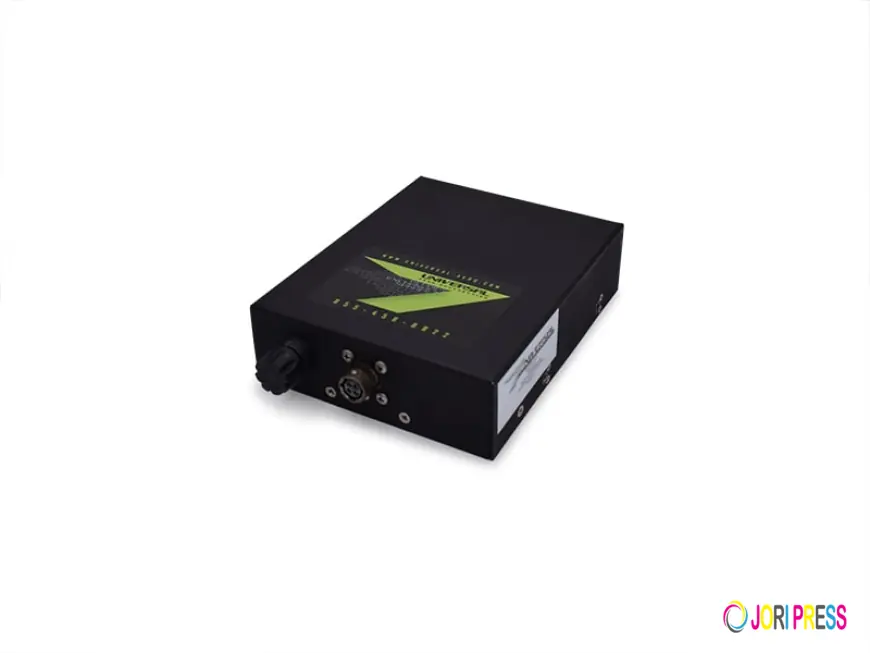
Aircraft batteries play an important role in supporting electrical systems, starting functions, emergency power, and other aircraft operations. Because battery performance can directly affect aircraft availability and reliability, aviation professionals need to follow appropriate maintenance practices and service schedules. A well-planned aircraft battery maintenance program helps identify potential issues early, maintain battery performance, and reduce unexpected maintenance problems.
Why Aircraft Battery Maintenance Matters
Aircraft batteries operate in demanding environments where temperature changes, vibration, charging cycles, and regular aircraft use can affect their condition. Even when a battery appears to be functioning normally, its capacity and overall condition may change over time.
Regular maintenance allows technicians and operators to monitor battery condition and identify problems before they become more serious. It can also help support aircraft readiness by ensuring that batteries are properly inspected, serviced, and replaced when necessary.
Key Elements of an Aircraft Battery Maintenance Program
A maintenance program should be based on the battery type, aircraft requirements, manufacturer recommendations, and applicable maintenance procedures. Several areas deserve particular attention.
1. Regular Inspection
Visual and technical inspections are important parts of battery maintenance. Technicians may check for signs of corrosion, physical damage, leakage, loose connections, abnormal wear, or other conditions that could affect performance.
Inspection intervals should follow the applicable maintenance documentation and aircraft requirements rather than relying on a fixed schedule for every battery type.
2. Capacity and Performance Checks
A battery's ability to hold and deliver the required amount of power is an important indicator of its condition. Capacity testing and other approved performance checks can help determine whether a battery continues to meet its required specifications.
A battery may still show an acceptable voltage while having reduced capacity, which is why appropriate testing can provide information that a basic visual inspection cannot.
3. Charging and Servicing
Correct charging procedures are essential for maintaining battery performance. Overcharging, undercharging, or using an unsuitable charging method can contribute to premature battery deterioration.
Maintenance personnel should follow the manufacturer's approved procedures, including the appropriate charging equipment, charging limits, and servicing requirements.
4. Monitoring Battery Condition
Keeping accurate maintenance records helps aviation teams understand how a battery has performed over time. Records can include inspection results, test results, installation information, service history, and other relevant documentation.
Consistent recordkeeping can make it easier to identify recurring issues and determine when a battery may require additional servicing or replacement.
5. Proper Storage and Handling
Aircraft batteries may require specific storage conditions when they are removed from an aircraft or kept as replacement inventory. Temperature, environmental conditions, charge level, and storage duration can affect battery condition.
Batteries should therefore be handled and stored according to the applicable manufacturer's instructions. Proper handling can help prevent unnecessary damage and maintain serviceability.
Understanding MRO Services
Maintenance, repair, and overhaul (MRO) services can form an important part of an aircraft battery support program. Depending on the battery type and its approved maintenance requirements, a battery may require inspection, testing, repair, refurbishment, or overhaul.
MRO can provide a structured approach to maintaining serviceable batteries while helping operators manage replacement requirements. However, the specific work performed should always be based on approved procedures and the requirements applicable to the particular battery.
The Role of Exchange and Loaner Support
Aircraft maintenance schedules can sometimes create situations where a battery needs to be removed from service while the aircraft still requires a suitable replacement. Exchange and loaner programs can help address these situations when available and appropriate.
An exchange option may allow a serviceable unit to be provided in place of a removed battery, while a loaner can provide temporary support during maintenance or repair. These options can be particularly useful when minimizing aircraft downtime is an important consideration.
Supporting AOG Requirements
Aircraft-on-ground (AOG) situations can create urgent component requirements. Battery-related problems may require quick identification of a suitable replacement or service option.
Having an established maintenance and sourcing process can help aviation teams respond more efficiently when an unexpected battery issue occurs. Access to appropriate replacement units, repair services, exchange options, or emergency support may help reduce delays, depending on availability and aircraft requirements.
Documentation and Traceability
Documentation is another important consideration when managing aircraft batteries. Aviation organizations may need records that establish the identity, condition, maintenance history, and traceability of a component.
Before installing a battery, maintenance personnel should verify that the component and its documentation meet the applicable aircraft and maintenance requirements. Maintaining organized records can also simplify future inspections, audits, and maintenance planning.
Planning Battery Replacement
Aircraft batteries do not necessarily remain serviceable indefinitely. Factors such as usage, operating environment, maintenance history, battery type, and manufacturer requirements can influence service life.
Rather than waiting until a battery develops a significant problem, operators can use inspection and testing information to support maintenance planning. Identifying potential replacement requirements in advance can make it easier to source an appropriate component and schedule maintenance activities.
Building a Practical Maintenance Program
An effective battery maintenance program should combine regular inspections, approved testing, proper servicing, accurate documentation, and appropriate replacement planning. Aviation teams should also consider how they will respond to unexpected maintenance requirements.
Working with experienced aviation component and battery service providers can provide access to options such as MRO, exchanges, rentals, loaners, and emergency support where applicable. However, every service decision should remain aligned with the aircraft's maintenance documentation and regulatory requirements.
Conclusion
Aircraft battery maintenance is an important part of maintaining reliable aircraft operations. A structured program can help aviation professionals monitor battery condition, identify potential issues, maintain proper documentation, and plan servicing or replacement before problems create unnecessary disruption.
From routine inspections and performance testing to MRO, exchange, loaner, and emergency support options, different services can play a role depending on an operator's requirements. By following approved maintenance procedures and maintaining accurate records, aviation professionals can better manage battery condition and support overall aircraft readiness.
What's Your Reaction?
 Like
0
Like
0
 Dislike
0
Dislike
0
 Love
0
Love
0
 Funny
0
Funny
0
 Angry
0
Angry
0
 Sad
0
Sad
0
 Wow
0
Wow
0