





































A Guide to the Best Water Treatment Options Available in Adelaide
Clean and safe water is essential for every home and business.
Clean and safe water is essential for every home and business. While Adelaide’s water supply meets Australian drinking water standards, many households and commercial properties still experience water quality concerns such as hard water, unpleasant tastes, chlorine odours, mineral build-up, and contaminants from old plumbing systems. Choosing the right water treatment solution can improve water quality, protect appliances, and provide healthier water for everyday use.
With various filtration and purification technologies available, selecting the best option depends on your water source, specific concerns, and property requirements. This guide explores the most effective water treatment options available for Adelaide homes and businesses.
Understanding Water Quality Issues in Adelaide
Before choosing a water treatment system, it is important to understand common water problems that residents may experience. Adelaide’s water supply comes from a combination of reservoirs, rivers, and groundwater sources. Although treated before reaching homes, water can still pick up minerals, sediments, and other particles while travelling through pipes.
Some common water quality issues include:
- Hard water: High levels of minerals such as calcium and magnesium can cause scale build-up on taps, shower screens, and appliances.
- Chlorine taste and odour: Chlorine is commonly used during water treatment processes, but some people dislike its taste or smell.
- Sediments and particles: Dirt, rust, and other particles can enter water through ageing pipes.
- Chemical contaminants: Certain unwanted substances may affect water taste and quality.
- Bacteria and microorganisms: Additional purification may be required for specific water sources.
A suitable water treatment system can address these issues and provide cleaner, better-tasting water.
1. Water Filtration Systems
Water filtration is one of the most popular treatment options for residential properties. These systems work by removing unwanted particles, sediments, chlorine, and other impurities from water.
There are different types of filtration systems, including:
Sediment Filters
Sediment filters remove larger particles such as sand, dirt, and rust. They are often installed as the first stage of a filtration system to protect other filters and improve overall water quality.
Carbon Filters
Carbon filtration systems use activated carbon to reduce chlorine, chemicals, and unpleasant tastes or odours. They are commonly used for improving drinking water quality.
Whole House Filtration Systems
Whole house filters treat water as it enters the property, ensuring filtered water is available from every tap. This option is ideal for families looking for improved water quality throughout their home.
2. Reverse Osmosis Water Treatment Systems
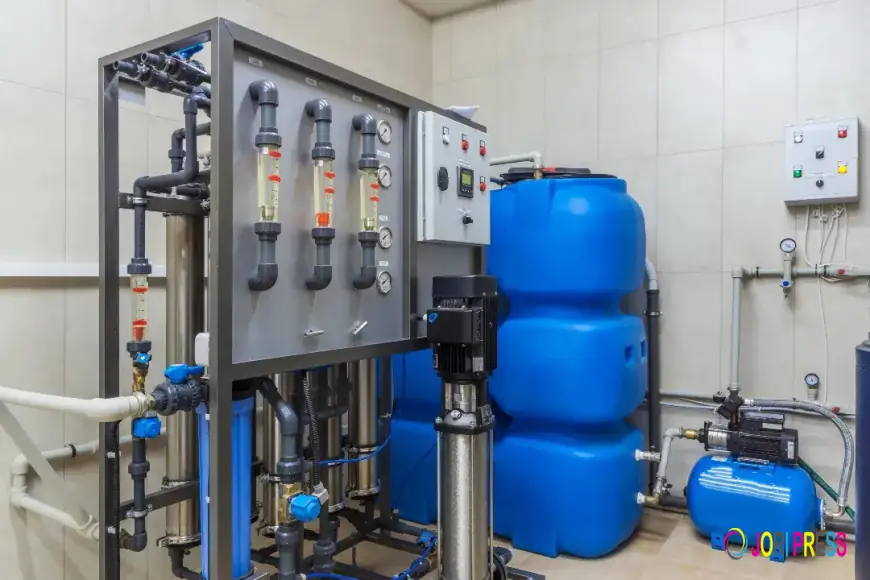
Reverse osmosis (RO) is an advanced purification method that uses a semi-permeable membrane to remove dissolved solids, impurities, and contaminants from water.
Reverse osmosis systems are highly effective for producing clean drinking water and can reduce:
- Heavy metals
- Dissolved salts
- Fluoride
- Chemical compounds
- Unwanted minerals
Many Adelaide homeowners choose reverse osmosis systems for kitchen drinking water because they provide an extra level of purification compared to standard filters.
3. UV Water Purification Systems
Ultraviolet (UV) water treatment uses UV light technology to destroy bacteria, viruses, and microorganisms without adding chemicals to the water.
UV purification is especially useful for properties using rainwater tanks, bore water, or alternative water sources where microbial contamination may be a concern.
Benefits of UV treatment include:
- Chemical-free purification
- Effective microorganism control
- Environmentally friendly operation
- Low maintenance requirements
UV systems are often combined with filtration systems to provide comprehensive water treatment.
4. Water Softening Systems
Hard water is a common concern for many households because minerals can create scale deposits on plumbing fixtures and appliances. Water softeners work by reducing calcium and magnesium levels through a process called ion exchange.
Benefits of water softening systems include:
- Reduced limescale build-up
- Longer appliance lifespan
- Softer-feeling water
- Improved efficiency of water heaters
- Reduced soap and detergent usage
A water softener can be a valuable investment for homes experiencing frequent mineral deposits and plumbing issues.
5. Rainwater Treatment Systems
Many Adelaide properties use rainwater tanks for gardening, laundry, and sometimes household purposes. However, rainwater requires proper treatment before it can be safely used for drinking or indoor applications.
Rainwater treatment systems may include:
- Sediment filtration
- Carbon filtration
- UV purification
- Tank maintenance solutions
A properly designed rainwater treatment system ensures stored water remains clean and safe for its intended use.
6. Commercial Water Treatment Solutions
Businesses, industries, restaurants, and facilities often require specialised water treatment systems to meet operational needs. Poor water quality can affect equipment performance, product quality, and customer experience.
Commercial solutions may include:
- Industrial filtration systems
- Reverse osmosis units
- Water softeners
- Cooling tower treatment
- Process water purification
A customised commercial water treatment approach helps businesses maintain efficiency and comply with water quality requirements.
How to Choose the Right Water Treatment System
Selecting the best water treatment option depends on several factors, including:
Test Your Water Quality
A water test can identify specific issues such as hardness levels, contaminants, and mineral content. This information helps determine the most suitable treatment method.
Consider Your Water Usage
A small household may only need a drinking water filter, while larger properties may benefit from a whole-house system.
Evaluate Maintenance Requirements
Different systems require different levels of maintenance. Consider filter replacement schedules, cleaning requirements, and ongoing costs before making a decision.
Seek Professional Advice
Water treatment specialists can assess your property and recommend a system designed around your specific needs.
Benefits of Installing a Water Treatment System
Investing in a quality water treatment solution provides several advantages, including:
- Cleaner and better-tasting drinking water
- Protection for plumbing systems and appliances
- Reduced exposure to unwanted contaminants
- Improved water efficiency
- Enhanced comfort for everyday activities
- Long-term savings on repairs and replacements
Whether you need improved drinking water, protection from hard water, or a complete purification solution, the right system can make a noticeable difference.
Choosing the best water treatment option requires understanding your water quality concerns and selecting a solution that matches your property’s needs. From filtration and reverse osmosis to UV purification and water softening systems, Adelaide residents have access to a wide range of technologies designed to improve water quality. Working with experienced professionals for Water Treatment Adelaide services ensures you receive the right system, proper installation, and ongoing support for cleaner, safer water.
What's Your Reaction?
 Like
0
Like
0
 Dislike
0
Dislike
0
 Love
0
Love
0
 Funny
0
Funny
0
 Angry
0
Angry
0
 Sad
0
Sad
0
 Wow
0
Wow
0