







































A Complete Guide to Data Loss Prevention: Tools, Strategies, and Benefits
Whether you’re a small business or a large enterprise, understanding how Data Loss Prevention works can significantly reduce risks and improve compliance.

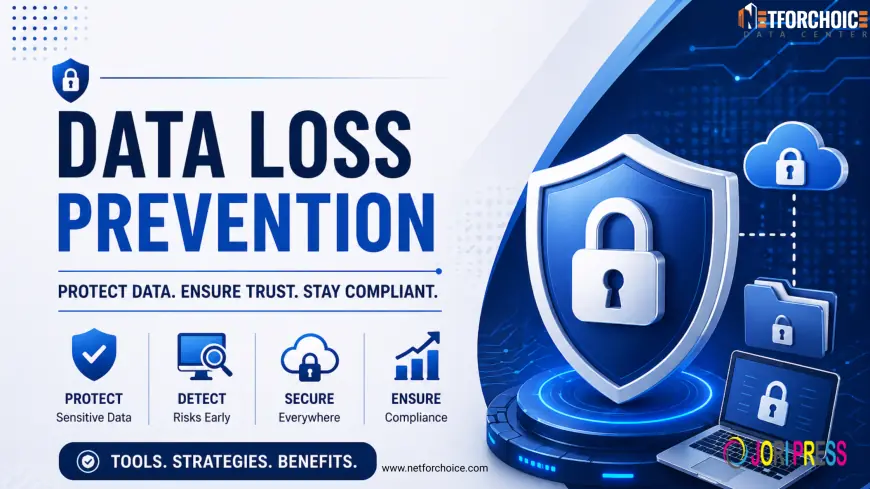
In today’s digital-first world, protecting sensitive information is no longer optional—it’s a necessity. Data Loss Prevention has emerged as a critical component of modern cybersecurity strategies, helping organizations safeguard confidential data from unauthorized access, leaks, or breaches. Whether you’re a small business or a large enterprise, understanding how it works can significantly reduce risks and improve compliance.
What Is Data Loss Prevention?
It refers to a set of technologies, processes, and policies designed to prevent sensitive data from being lost, misused, or accessed by unauthorized users. It monitors, detects, and blocks potential data breaches across endpoints, networks, and cloud environments.
With the growing adoption of remote work and cloud platforms, businesses are increasingly relying on cloud DLP solutions to secure their digital assets beyond traditional infrastructure.
Why Is Data Loss Prevention Important?
Data breaches can result in financial losses, reputational damage, and legal consequences. Implementing Data Loss Prevention ensures:
- Protection of sensitive business and customer data
- Compliance with regulations like GDPR and HIPAA
- Reduced risk of insider threats and accidental leaks
- Enhanced visibility into data usage and movement
Key Data Loss Prevention Tools
Choosing the right data loss prevention tools is essential for effective security. These tools are designed to monitor and control data across various channels:
1. Network DLP
Monitors data in motion across networks and prevents unauthorized transfers.
2. Endpoint DLP
Protects data on devices such as laptops, desktops, and mobile phones.
3. Cloud DLP
Cloud DLP solutions secure data stored and shared across cloud platforms like SaaS applications, ensuring visibility and control in hybrid environments.
4. Email DLP
Prevents sensitive information from being shared via email unintentionally or maliciously.
Modern data loss prevention tools also use AI and machine learning to detect unusual behaviour and prevent advanced threats.
Effective Data Loss Prevention Strategies
Implementing Data Loss Prevention is not just about tools—it requires a well-defined strategy. Here are some best practices:
1. Identify and Classify Data
Understand what data is sensitive (e.g., financial records, personal data) and classify it accordingly.
2. Define Security Policies
Create clear policies that dictate how data can be accessed, shared, and stored.
3. Monitor Data Activity
Continuously track data movement across endpoints, networks, and cloud DLP environments.
4. Encrypt Sensitive Data
Encryption adds an extra layer of protection, even if data is intercepted.
5. Train Employees
Human error is a major cause of data loss. Regular training ensures employees understand security protocols.
A combination of robust policies and advanced data loss prevention tools ensures a comprehensive security framework.
Benefits of Data Loss Prevention
Implementing Data Loss Prevention offers multiple advantages:
- Enhanced Data Security: Prevents unauthorized access and data leaks
- Regulatory Compliance: Helps meet industry standards and legal requirements
- Improved Visibility: Tracks how data is accessed and shared
- Reduced Insider Threats: Identifies and mitigates risky user behavior
- Cost Savings: Avoids financial losses associated with data breaches
With the rise of cloud adoption, cloud DLP has become especially valuable for businesses managing distributed data environments.
Challenges in Data Loss Prevention
While Data Loss Prevention is essential, it comes with challenges such as
- Complex implementation
- Balancing security with user productivity
- Managing false positives in alerts
FAQs on Data Loss Prevention
Q1. What is Data Loss Prevention in simple terms?
Data Loss Prevention is a security approach that prevents sensitive data from being lost, leaked, or accessed by unauthorized users.
Q2. How does cloud DLP work?
It monitors and protects data stored in cloud applications by enforcing security policies and preventing unauthorized sharing.
Q3. Why are data loss prevention tools important?
It helps automate data monitoring, detect threats, and prevent data breaches in real time.
Q4. Is Data Loss Prevention only for large enterprises?
No, businesses of all sizes can benefit from Data Loss Prevention to protect sensitive information and ensure compliance.
What's Your Reaction?
 Like
0
Like
0
 Dislike
0
Dislike
0
 Love
0
Love
0
 Funny
0
Funny
0
 Angry
0
Angry
0
 Sad
0
Sad
0
 Wow
0
Wow
0