








































Installing Water Leak Detection Devices in Homes
Water Leak Detection Devices

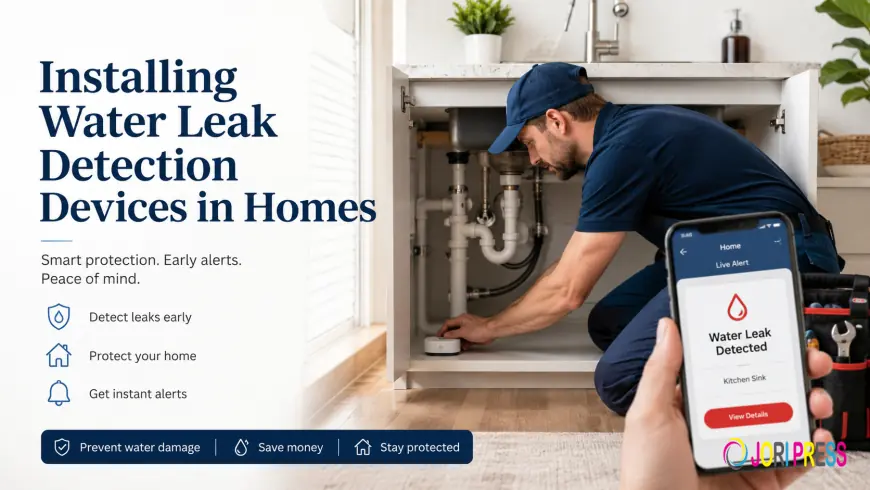
Water leaks are among the most common problems homeowners face. A small hidden leak can cause serious damage to walls, floors, ceilings, furniture, and electrical systems. It can also lead to mold growth, unpleasant odors, and high water bills. Installing water leak detection devices is an effective way to identify leaks early and protect the home from costly damage.
What Is a Water Leak Detection Device?
A water leak detection device is a small electronic sensor designed to detect the presence of water in areas where leaks are likely to occur. These devices can be installed near washing machines, water heaters, sinks, toilets, dishwashers, air-conditioning units, and water tanks.
Some basic devices produce a loud alarm when they come into contact with water. More advanced systems can send notifications to a smartphone, monitor water consumption, and automatically shut off the main water supply when an unusual leak is detected.
Why Should Homeowners Install Leak Detection Devices?
Installing water leak detection devices provides several important benefits. The main advantage is early warning. When a leak is discovered quickly, homeowners can stop the water supply before the problem becomes severe.
Leak detection devices can also help reduce water waste and prevent unexpected increases in water bills. In addition, they protect valuable property and reduce the risk of structural damage. Smart leak detection systems are especially useful for homeowners who travel frequently or leave their homes unoccupied for long periods.
Choosing the Right Type of Device
There are different types of water leak detection devices available for residential properties.
1. Standalone Water Sensors
Standalone sensors are simple and affordable devices placed near areas where leaks may happen. They produce an alarm when water touches the sensor. These devices are suitable for kitchens, bathrooms, laundry rooms, and storage areas.
2. Smart Water Leak Detectors
Smart detectors connect to the home Wi-Fi network and send alerts directly to a mobile phone. They may also monitor temperature and humidity levels. This allows homeowners to receive immediate notifications even when they are away from home.
3. Automatic Water Shut-Off Systems
Automatic shut-off systems are installed on the main water supply line. They monitor water flow and automatically close the valve when they detect unusual water consumption or a major leak. These systems provide a higher level of protection but usually require professional installation.
Best Locations for Installation
Water leak detectors should be installed in areas where water pipes and appliances are located. Recommended locations include:
-
Under kitchen and bathroom sinks
-
Near toilets and bathtubs
-
Behind washing machines and dishwashers
-
Under water heaters
-
Near refrigerators with water dispensers
-
Around air-conditioning drainage lines
-
Near rooftop water tanks
-
In basements and utility rooms
The sensors should be placed directly on the floor because water usually collects at the lowest point. They should not be placed on carpets or elevated surfaces.
Steps for Installing a Basic Water Leak Detector
Installing a basic battery-powered leak detector is usually simple.
First, choose a location close to a possible source of leakage. Clean and dry the area before placing the device. Insert the batteries according to the manufacturer’s instructions and test the alarm button.
Place the sensor flat on the floor with the detection contacts facing downward. Some devices include extension cables that can cover a larger area. After installation, test the device using a small amount of water to ensure that the alarm works correctly.
Installing Smart Leak Detection Systems
Smart leak detectors require additional setup. The homeowner must download the manufacturer’s mobile application and connect the device to the home Wi-Fi network. After connecting the device, notification settings should be activated.
It is important to place the Wi-Fi router within a reasonable distance from the detector to maintain a stable connection. Homeowners should also test the mobile alerts to confirm that notifications are received correctly.
Automatic shut-off valves should be installed by a qualified plumber or leak detection specialist. Incorrect installation may cause pressure problems or damage to the main water line.
Maintenance and Regular Testing
Water leak detection devices must be tested regularly. Batteries should be replaced at least once a year or whenever the low-battery warning appears. The sensors should be cleaned to remove dust, dirt, and moisture.
Smart devices should remain connected to the internet, and their applications should be updated. Homeowners should test the alarm and shut-off system every few months to ensure that all components are working properly.
Professional Installation Services
Professional installation is recommended for large homes, villas, apartment buildings, and properties with complex plumbing systems. A professional technician can inspect the water network, identify high-risk areas, and recommend the most suitable detection system.
Professionals can also install smart monitoring systems and automatic shut-off valves correctly. This ensures reliable protection and reduces the possibility of system failure.
Conclusion
Installing water leak detection devices is a practical investment for every home. These devices provide early warning, reduce water waste, prevent property damage, and help control maintenance costs.
Whether homeowners choose a simple alarm sensor or a complete smart monitoring system, regular testing and proper installation are essential. With the right water leak detection solution, homeowners can enjoy greater safety, comfort, and peace of mind.
What's Your Reaction?
 Like
0
Like
0
 Dislike
0
Dislike
0
 Love
0
Love
0
 Funny
0
Funny
0
 Angry
0
Angry
0
 Sad
0
Sad
0
 Wow
0
Wow
0