








































Small Business Growth Strategies: Practical Ways to Build a Stronger Business
Small Business

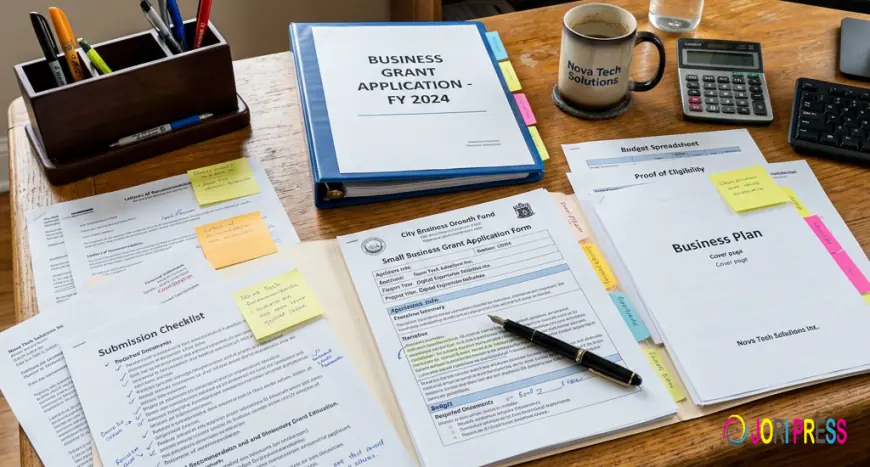
Growing a small business takes planning, patience, and consistent effort. Whether you are launching a new company or managing an established business, the right small business growth strategies can help you attract customers, improve revenue, and build a stronger brand. Business owners need to understand their customers, manage money wisely, and adapt to changing market conditions. For more useful business insights and practical ideas.
A successful growth plan does not always require a large budget. Small improvements in marketing, customer service, operations, and financial management can make a meaningful difference over time. By focusing on realistic goals and making informed decisions, small businesses can create a foundation for long-term success.
1. Set Clear and Measurable Business Goals
Every growing business needs a clear direction. Without specific goals, it can be difficult to decide which tasks deserve attention and how to measure progress. Start by identifying what you want to achieve over the next three, six, or twelve months.
Your goals might include increasing monthly sales, gaining new customers, improving customer retention, or expanding into another market. Make each goal measurable so you can evaluate your results.
For example, instead of saying you want more customers, set a target to increase new customer inquiries by 15% within three months. Break larger goals into smaller tasks and review your progress regularly.
Clear goals help business owners use their time and resources more effectively. They also make it easier to identify problems early and adjust plans when necessary.
2. Understand Your Target Audience
One of the most effective small business growth strategies is learning what your customers actually need. When you understand your audience, you can create better products, improve services, and develop marketing messages that connect with the right people.
Begin by identifying your ideal customers. Consider their interests, needs, common challenges, spending habits, and reasons for choosing a particular product or service.
You can collect useful information through customer surveys, online reviews, conversations, and website analytics. Pay attention to repeated questions and complaints because they may reveal opportunities to improve your business.
Avoid trying to appeal to everyone. A clearly defined audience allows you to focus your marketing budget on people who are more likely to become paying customers.
3. Build a Strong Online Presence
Customers often search online before deciding which business to trust. A professional website and active online profiles can help your company become easier to discover and understand.
Your website should clearly explain what you offer, who you serve, and how customers can contact you. Make sure it works well on mobile devices, loads quickly, and provides simple navigation.
Search engine optimization can also help potential customers find your website. Publish useful content that answers common questions related to your products or services. Use relevant keywords naturally in page titles, headings, and website copy.
Keep your business information accurate across online directories and social media profiles. If you serve a local area, maintain an updated business profile and encourage satisfied customers to leave honest reviews.
A strong online presence builds credibility and creates more opportunities to attract new customers.
4. Use Cost-Effective Marketing Methods
Small businesses do not always have the budget for expensive advertising campaigns. Fortunately, several affordable marketing methods can help increase awareness and generate leads.
Social media is one useful option. Choose platforms that your target audience uses regularly, then share helpful posts, product information, customer stories, and updates. Focus on providing value instead of constantly promoting your services.
Email marketing can help you maintain relationships with existing customers. Send relevant updates, helpful advice, special offers, and announcements to people who have agreed to receive your messages.
You can also develop partnerships with complementary businesses. For example, a graphic designer might work with a web developer to recommend services to suitable clients.
Track which marketing activities generate inquiries and sales. Investing more time in effective channels can help you achieve better results without wasting money.
5. Deliver Excellent Customer Service
Customer satisfaction is an important part of sustainable business growth. People are more likely to return to a business when they feel respected, receive reliable service, and get helpful answers to their questions.
Respond to customer inquiries promptly and communicate clearly about prices, delivery times, and service expectations. If a problem occurs, acknowledge it and work toward a fair solution.
Ask customers for feedback after a purchase or completed service. Their suggestions may help you identify weaknesses in your products, processes, or communication.
Loyal customers can also recommend your business to friends, family members, and colleagues. These recommendations may bring in new customers without requiring significant advertising spending.
Make customer service a regular part of your business strategy rather than treating it as an occasional task.
6. Manage Cash Flow Carefully
Revenue growth is valuable, but a business also needs enough cash to pay its bills and operate smoothly. Poor cash flow management can create serious problems even when sales appear strong.
Create a budget that includes rent, salaries, inventory, marketing, software, taxes, and other operating expenses. Review your income and spending regularly to understand where your money goes.
Send invoices promptly and establish clear payment terms. Follow up professionally on overdue payments to reduce delays in receiving money.
It is also helpful to build an emergency fund that can cover essential expenses during slower periods. Before taking on new costs, estimate whether the expected benefits justify the investment.
Good financial planning allows business owners to make confident decisions and prepare for future opportunities.
7. Improve Efficiency With Technology
Technology can help small businesses save time, reduce errors, and provide better customer experiences. You do not need to adopt every new tool. Instead, choose solutions that address specific business needs.
Accounting software can simplify expense tracking and financial reporting. Customer relationship management tools can organize customer information and follow-up tasks. Scheduling applications can reduce administrative work, while project management platforms can help teams meet deadlines.
Automation is especially useful for repetitive tasks such as appointment reminders, email confirmations, and routine reports.
Before purchasing a tool, consider its cost, ease of use, security features, and compatibility with your existing systems. Train employees properly so the technology improves productivity rather than creating additional confusion.
8. Measure Results and Adapt Your Strategy
Business growth requires regular evaluation. Review important performance indicators, including monthly revenue, profit margins, customer acquisition costs, repeat purchases, and website inquiries.
Compare current results with your original goals. If a marketing campaign produces little engagement or few sales, investigate why before spending more money on it.
At the same time, identify activities that consistently produce positive results. Improving successful processes can help your business grow without increasing costs unnecessarily.
Market conditions and customer expectations change over time. Stay open to feedback, monitor competitors responsibly, and adjust your plans when new information becomes available.
Conclusion
Effective small business growth strategies combine clear goals, customer understanding, strong marketing, reliable service, careful financial management, and continuous improvement. You do not need to change everything at once to make progress.
Start with the areas that offer the greatest potential benefit, measure your results, and build on what works. With consistent effort and informed decisions, your small business can attract more customers, strengthen its reputation, and create sustainable growth for the future.
What's Your Reaction?
 Like
0
 Dislike
0
 Love
0
 Funny
0
 Angry
0
 Sad
0
 Wow
0