








































Implant Osteotomy Drills: Precision Tools That Define Surgical Success

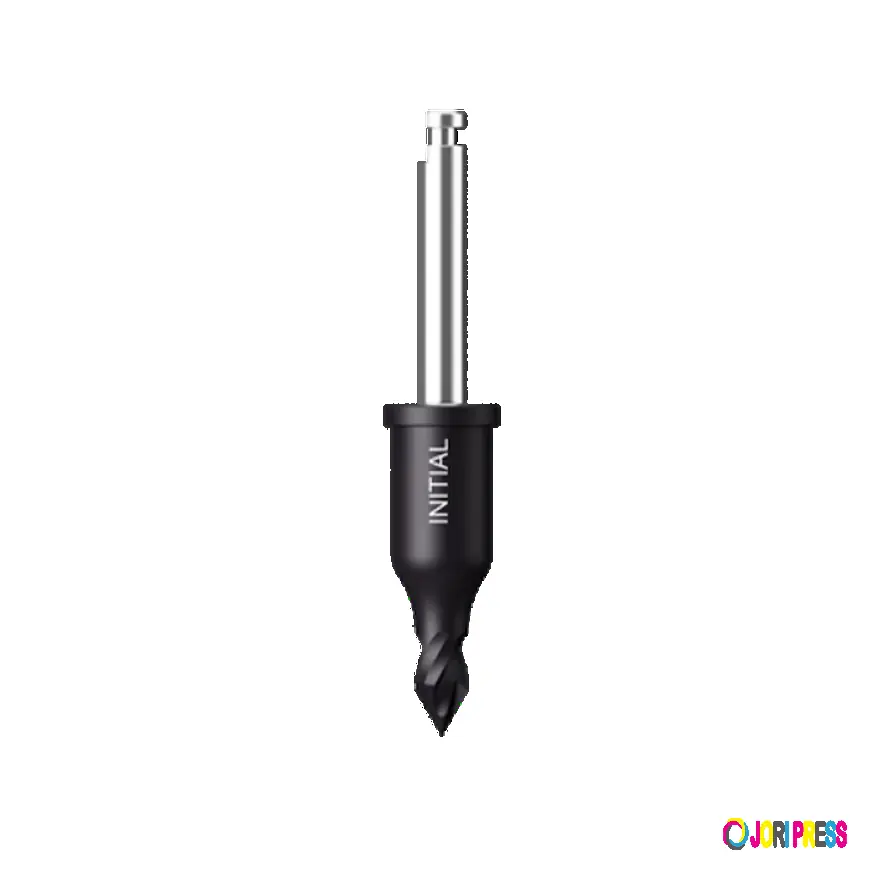
Implant osteotomy drills are the backbone of accurate dental implant placement. They shape the bone site with controlled depth, diameter, and angulation—directly influencing implant stability, healing, and long-term success. Poor drilling technique or substandard drills can lead to overheating, bone trauma, and implant failure.
Quick Reference: What You Need to Know
- Purpose: Create precise osteotomy sites for implants
- Key features: Sharp cutting edges, depth markings, irrigation compatibility
- Best practice: Low speed + high torque + copious irrigation
- Material: Surgical-grade stainless steel or coated alloys
- Outcome driver: Bone preservation + primary stability
What Are Implant Osteotomy Drills and Why Do They Matter?
Implant osteotomy drills are specialized surgical instruments designed to prepare bone for implant placement. Unlike standard dental drills, these are engineered for controlled cutting, minimizing trauma while preserving bone density.
From clinical experience, the difference between a smooth osteotomy and a compromised one often comes down to drill design and handling technique. Even slight deviations in angulation or excessive heat generation can affect osseointegration.
Why precision is non-negotiable:
- Bone preservation: Excessive heat (>47°C) can cause necrosis
- Primary stability: Proper osteotomy sizing ensures tight implant fit
- Healing efficiency: Cleaner cuts promote faster bone regeneration
Types of Implant Osteotomy Drills (And When to Use Them)
Not all drills serve the same purpose. Each step in the osteotomy sequence requires a specific design.
1. Pilot Drills
- Used to initiate the osteotomy
- Establishes depth and angulation
- Typically narrow (1.5–2.0 mm)
2. Twist Drills
- Gradually widen the osteotomy
- Available in incremental diameters
- Maintain concentric accuracy
3. Tapered Drills
- Mimic the shape of tapered implants
- Improve primary stability in softer bone
4. Cortical Drills
- Used to widen dense cortical bone
- Reduce insertion torque stress
5. Countersink Drills
- Prepare the coronal portion
- Ensure proper implant seating
Step-by-Step Osteotomy Protocol (Clinically Proven Approach)
1. Site Marking and Pilot Drilling
Start with a pilot drill at low speed (800–1200 RPM). Maintain steady irrigation.
2. Sequential Enlargement
Use twist drills in increasing diameters. Never skip sizes—it risks microfractures.
3. Depth Verification
Use drills with laser markings or depth stops. Accuracy here prevents sinus or nerve complications.
4. Final Shaping
Switch to tapered or cortical drills depending on bone density.
5. Irrigation Control
Continuous saline irrigation is essential. Heat is your biggest enemy during drilling.
Drill Design Features That Impact Performance
Not all implant osteotomy drills are created equal. Subtle design differences can drastically affect outcomes.
| Feature | Why It Matters | Clinical Impact |
|---|---|---|
| Flute Design | Removes bone debris efficiently | Prevents clogging and heat buildup |
| Sharpness | Reduces cutting resistance | Minimizes trauma |
| Coating (e.g., TiN) | Enhances durability | Longer lifespan |
| Depth Markings | Ensures accuracy | Avoids over-drilling |
| Internal Irrigation Channels | Direct cooling | Protects bone tissue |
From hands-on experience, drills with optimized flute geometry and consistent sharpness retention perform significantly better over multiple procedures.
Common Mistakes That Compromise Osteotomy Quality
Even experienced clinicians can fall into these traps:
Overheating the Bone
- Caused by high speed or poor irrigation
- Leads to delayed healing or implant failure
Skipping Drill Sizes
- Saves time but sacrifices precision
- Can create uneven osteotomy walls
Using Worn-Out Drills
- Dull drills increase friction and heat
- Replace after 20–30 uses (or sooner if resistance increases)
Incorrect Angulation
- Results in prosthetic complications later
- Always verify alignment early in the sequence
How to Choose the Right Implant Osteotomy Drills
Selecting the right drill system isn’t just about brand—it’s about compatibility and clinical goals.
Key Selection Criteria:
- Compatibility: Must match implant system
- Bone Density Adaptability: Different drills for D1 vs D4 bone
- Sterilization Durability: Repeated autoclaving shouldn’t degrade performance
- Tactile Feedback: You should feel the bone response clearly
Pro Tip from Practice:
If you notice increased resistance or vibration, it’s often the drill—not the bone. Swap it immediately.
Advanced Techniques for Better Outcomes
Undersized Osteotomy in Soft Bone
Creating a slightly smaller osteotomy improves implant stability in low-density bone.
Intermittent Drilling
Instead of continuous pressure, use a pump-like motion to reduce heat and improve debris removal.
Directional Control
Use parallel pins between steps to verify angulation—especially critical in aesthetic zones.
Maintenance and Sterilization: Extending Drill Life
High-quality implant osteotomy drills are an investment. Proper care ensures consistent performance.
Best Practices:
- Clean immediately after use to prevent debris hardening
- Use ultrasonic cleaning for thorough decontamination
- Inspect cutting edges regularly
- Store in organized surgical kits to avoid damage
Replacement Guideline:
Even premium drills lose efficiency over time. Replace proactively rather than reactively.
Final Insight: Why Osteotomy Drills Define Implant Success
Implant success doesn’t begin with the implant—it begins with the osteotomy. Every micron of precision, every degree of angulation, and every second of heat exposure matters.
Clinicians who treat drilling as a high-skill, high-precision step—not just a routine task—consistently achieve better outcomes.
If you want predictable implants, start by mastering your osteotomy drills.
What's Your Reaction?
 Like
0
Like
0
 Dislike
0
Dislike
0
 Love
0
Love
0
 Funny
0
Funny
0
 Angry
0
Angry
0
 Sad
0
Sad
0
 Wow
0
Wow
0