









































How Modern Technology Is Improving Demolition Scrap Metal Recycling

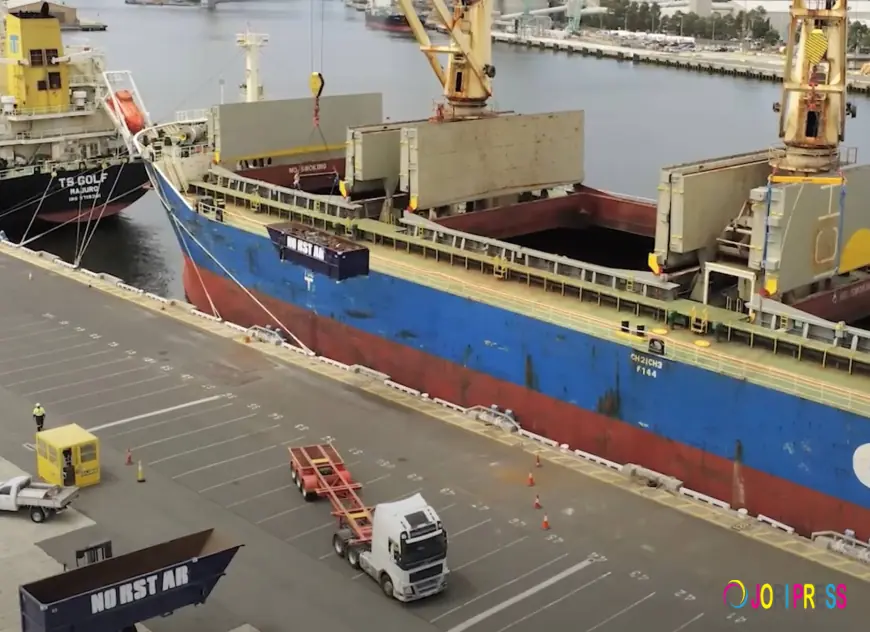
The construction and demolition industry generates large quantities of waste every year. Much of this material contains valuable metals such as steel and aluminium and copper that can be recovered and reused. Traditionally metal recovery involved considerable manual labour and time-consuming sorting processes. However modern technology is transforming the way demolition waste is collected and processed. Today Demolition Scrap Metal Recycling is becoming more efficient through advanced machinery and automated sorting systems and data-driven operations. These innovations help recycling businesses recover valuable resources while supporting environmental sustainability.
The Growing Importance of Technology in Metal Recycling
Demolition projects often involve complex structures containing different types of metals. Separating these materials correctly is essential for achieving better recycling results.
Modern recycling facilities use advanced equipment to identify and separate metals with greater accuracy. This reduces contamination and improves the quality of recovered materials.
For example steel beams from demolished commercial buildings can be separated from concrete and other construction debris using specialised machinery. The recovered steel can then be processed and supplied to manufacturers for new applications.
Technology makes this entire process faster and helps recycling companies handle larger volumes of demolition waste.
1. Advanced Sorting Systems Improve Metal Recovery
One of the biggest developments in modern recycling is automated material sorting. Traditional sorting methods often require extensive manual effort. Modern facilities increasingly use magnetic separators and eddy current systems and sensor-based technologies.
Each system performs a specific function.
-
Magnetic separators: Identify and remove ferrous metals such as iron and steel.
-
Eddy current separators: Separate non-ferrous metals such as aluminium from other materials.
-
Sensor-based sorting: Uses advanced detection technology to identify different material types.
-
Automated conveyor systems: Move materials efficiently between processing stages.
These technologies improve separation accuracy and reduce unnecessary material loss. As a result Demolition Scrap Metal Recycling becomes more productive and commercially valuable.
2. Artificial Intelligence and Robotics Transform Recycling
Artificial intelligence is creating new possibilities for automated waste management. AI-powered systems can analyse materials through cameras and sensors to identify different recyclable components.
Robotic sorting equipment can then assist with separating selected materials from mixed waste streams.
For instance a recycling facility processing demolition debris may use intelligent recognition systems to distinguish metal components from plastic and wood. This reduces repetitive manual work and supports more consistent sorting.
Robotics also helps improve workplace safety by limiting the need for workers to handle certain hazardous or heavy materials directly.
3. Smart Demolition Equipment Supports Better Metal Recovery
Technology is improving recycling even before materials reach processing facilities. Modern demolition equipment allows contractors to dismantle structures more carefully and recover reusable components.
Selective demolition is a good example. Instead of destroying an entire structure at once contractors remove specific materials in a planned sequence.
Steel frames and aluminium fittings and copper wiring can be recovered separately before general demolition debris is processed.
Why does this matter? Cleaner material separation at the demolition site makes downstream recycling easier and can improve the value of recovered metals.
4. Digital Tracking Improves Recycling Operations
Digital management systems are helping recycling companies monitor materials throughout the recovery process.
Modern software can record incoming scrap quantities and processing activities and outgoing material shipments. These records help businesses understand their operations and identify opportunities for improvement.
GPS-enabled equipment and digital inventory systems can also support better transportation planning.
For demolition contractors managing multiple projects these tools provide greater visibility into waste movement and recycling performance.
Accurate records also make it easier to demonstrate responsible material handling to clients and project stakeholders.
5. Environmental Benefits of Technology-Driven Metal Recycling
Metal recycling plays an important role in conserving natural resources. Producing new metals from recycled materials can require significantly less energy than extracting and processing virgin raw materials.
Aluminium is a particularly interesting example. Recycling aluminium generally requires around 95% less energy than producing primary aluminium from bauxite.
Advanced recycling technology helps capture more usable metal and reduce the quantity of recoverable material sent to landfill.
These improvements support lower resource consumption and encourage a circular economy in which valuable materials remain in productive use for longer.
6. Choosing a Professional Demolition Scrap Metal Recycling Company
Technology delivers the best results when combined with experienced professionals and responsible operating practices.
Businesses looking for recycling services should consider several factors:
-
Availability of modern metal separation equipment.
-
Experience handling commercial and industrial demolition waste.
-
Safe collection and transportation procedures.
-
Transparent material assessment and reporting.
-
Environmentally responsible processing methods.
A reliable recycling partner can help demolition contractors manage waste efficiently while recovering the maximum practical value from suitable materials.
Conclusion
Modern technology is changing demolition recycling from a basic waste-handling activity into a more organised resource recovery process. Automated sorting and robotics and digital tracking are helping businesses improve efficiency while reducing environmental impact.
As construction projects become increasingly focused on sustainability the demand for smarter recycling solutions will continue to grow. Investing in advanced recovery methods is not simply an operational improvement. It is an important step towards building a more resource-efficient construction industry.
Businesses and contractors exploring Norstar Steel Recyclers can learn more about professional recycling solutions and sustainable metal recovery by visiting norstar.com
What's Your Reaction?
 Like
0
 Dislike
0
 Love
0
 Funny
0
 Angry
0
 Sad
0
 Wow
0