









































GLP-1 Research Peptides: Understanding Their Role in Scientific Research

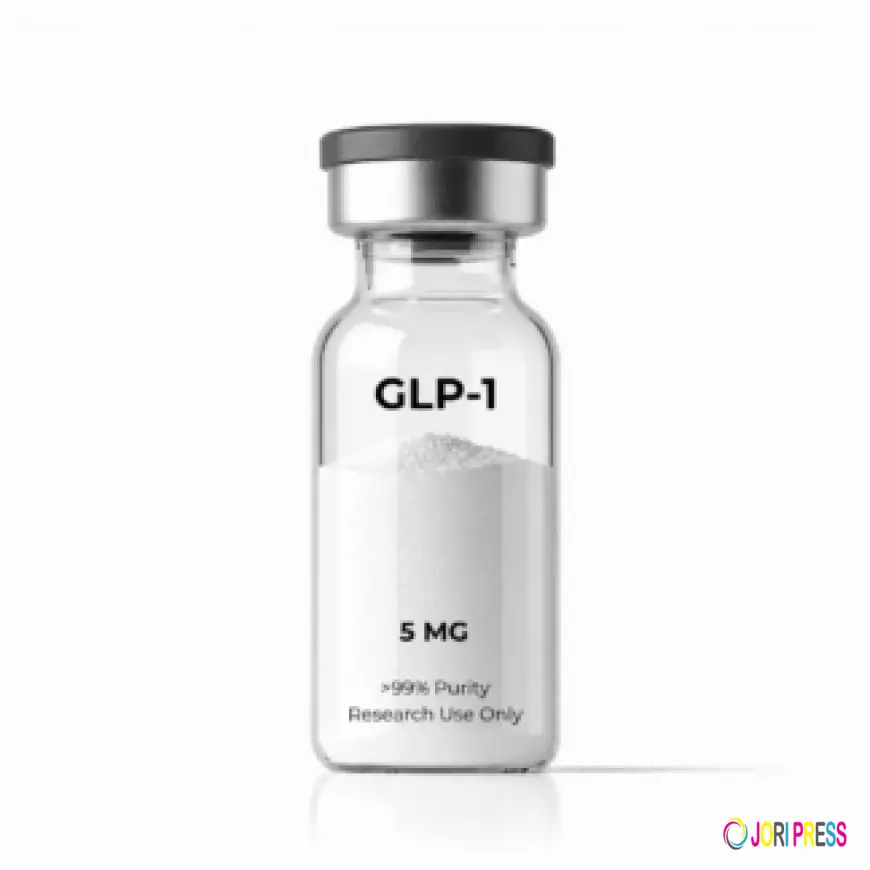
GLP-1 research peptides are an important area of investigation in biomedical and pharmaceutical research. GLP-1, or glucagon-like peptide-1, is a naturally occurring peptide hormone involved in several physiological processes, including glucose regulation, insulin secretion, appetite signaling, and gastrointestinal activity. Because of these biological functions, researchers study GLP-1 and related peptide compounds to better understand metabolic pathways and potential therapeutic applications.
When discussing GLP-1 Research Peptides, it is important to distinguish laboratory research materials from approved medicines. Research peptides are used for controlled scientific investigation and should not be considered substitutes for prescription treatments or products intended for human use.
What Is GLP-1?
Glucagon-like peptide-1 is a hormone produced primarily by specialized cells in the intestine in response to food intake. It plays an important role in maintaining glucose homeostasis.
GLP-1 can stimulate insulin secretion when blood glucose levels are elevated and can reduce glucagon secretion under certain physiological conditions. It also influences gastric emptying and appetite-related signaling.
These characteristics have made the GLP-1 pathway an important subject of research in endocrinology, metabolism, and pharmaceutical science.
What Are GLP-1 Research Peptides?
GLP-1 research peptides are peptide-based materials used by scientists to investigate the structure, function, activity, and biological interactions associated with the GLP-1 pathway.
Depending on the research objective, scientists may study naturally occurring peptide sequences, modified analogues, receptor interactions, or other experimental compounds associated with GLP-1 signaling.
Their purpose is to support laboratory research rather than provide self-directed treatment.
Why Is GLP-1 Research Important?
The GLP-1 signaling pathway is relevant to several areas of metabolic research. Scientists investigate how GLP-1 receptors respond to different molecules and how these interactions influence cellular and physiological processes.
Research in this field can contribute to a broader understanding of glucose metabolism, appetite regulation, gastrointestinal function, and related biological mechanisms.
Studying these pathways also helps researchers investigate how molecular modifications can affect peptide stability, receptor activity, and biological behavior.
GLP-1 Receptors and Cellular Signaling
One important focus of GLP-1 research is the GLP-1 receptor. This receptor belongs to a family of cell-surface receptors involved in transmitting biological signals.
When GLP-1 or a related molecule interacts with its receptor, a series of intracellular signaling events can occur. Researchers can investigate these processes using biochemical assays, cell-based models, and other laboratory techniques.
Understanding receptor signaling can help scientists characterize experimental compounds and determine how structural differences influence biological activity.
Role in Metabolic Research
GLP-1 research has a strong connection with metabolic science because the hormone participates in glucose regulation and energy-related signaling.
Researchers may examine how GLP-1 pathways interact with insulin, glucagon, pancreatic cells, and other metabolic systems. These investigations can help improve understanding of the complex mechanisms involved in maintaining blood glucose balance.
Laboratory studies may also explore how different experimental peptide structures affect receptor binding or signaling responses.
Importance of Peptide Purity
When working with GLP-1 Research Peptides, purity and identity are important considerations. Impurities can interfere with laboratory assays and potentially affect the interpretation of experimental results.
Researchers should review available analytical documentation and confirm that the material corresponds to the intended peptide. Techniques such as high-performance liquid chromatography and mass spectrometry are commonly used to evaluate peptide purity and molecular characteristics.
Batch-specific documentation can be particularly valuable when reproducibility is important.
Understanding Certificates of Analysis
A Certificate of Analysis, commonly called a CoA, can provide information about a particular research peptide batch. Depending on the material, documentation may include information about identity, purity, molecular weight, batch number, and analytical testing.
Researchers should evaluate the documentation associated with the specific batch rather than relying only on general product descriptions.
Maintaining these records can also support laboratory quality control and improve reproducibility between experiments.
Storage and Stability Considerations
Peptide stability can be affected by environmental conditions such as temperature, moisture, light, and repeated handling. Different peptide sequences and formulations may have different stability characteristics.
Researchers should follow the documented storage requirements for the specific material and use appropriate laboratory procedures for handling and preparation.
Proper storage is important because degradation or changes in sample quality can affect experimental observations.
Research Applications
GLP-1-related research may involve biochemical assays, receptor studies, cell-based experiments, molecular characterization, and pharmaceutical research.
Scientists can use appropriate research materials to investigate receptor activity, signaling mechanisms, molecular stability, and interactions with other biological pathways.
The specific application depends on the peptide's characteristics and the scientific question being investigated.
Safety and Responsible Research
GLP-1 research peptides should be handled according to appropriate laboratory safety procedures. Researchers should review relevant documentation, including Safety Data Sheets where available, and follow institutional requirements for storage, handling, labeling, and disposal.
Research materials should not be used for self-medication or human administration unless they have been specifically approved and supplied for that purpose under applicable medical and regulatory requirements.
Scientific research should always be conducted within appropriate institutional, ethical, and regulatory frameworks.
Research Peptides vs. Approved GLP-1 Medicines
It is important not to confuse research peptides with approved GLP-1 receptor medicines. Pharmaceutical products intended for patients undergo extensive evaluation for quality, safety, efficacy, manufacturing standards, and regulatory approval.
A research peptide is instead a laboratory material intended for scientific investigation. Its availability for research does not mean that it has been evaluated or approved for treating a medical condition.
This distinction is particularly important when researching information about GLP-1-related compounds online.
Choosing Research Materials Carefully
Researchers evaluating GLP-1 Research Peptides should consider peptide identity, sequence information, analytical testing, purity, batch documentation, storage requirements, and suitability for the planned laboratory application.
Reliable documentation helps researchers understand what material they are working with and supports consistent experimental procedures.
For critical research, laboratories may also perform independent analytical verification according to their quality-control protocols.
Final Thoughts
GLP-1 Research Peptides provide valuable tools for scientists investigating metabolic signaling, receptor biology, glucose regulation, and related physiological processes. Research into the GLP-1 pathway has contributed significantly to understanding how peptide hormones interact with cells and regulate important biological functions.
For responsible scientific work, researchers should focus on verified identity, analytical quality, appropriate storage, accurate documentation, and safe laboratory handling. Most importantly, research peptides should remain clearly distinguished from approved medicines and should only be used within appropriate laboratory, ethical, and regulatory frameworks.
What's Your Reaction?
 Like
0
Like
0
 Dislike
0
Dislike
0
 Love
0
Love
0
 Funny
0
Funny
0
 Angry
0
Angry
0
 Sad
0
Sad
0
 Wow
0
Wow
0