








































Cortical Release Drills: The Complete Guide to Precision Dental Implant Surgery

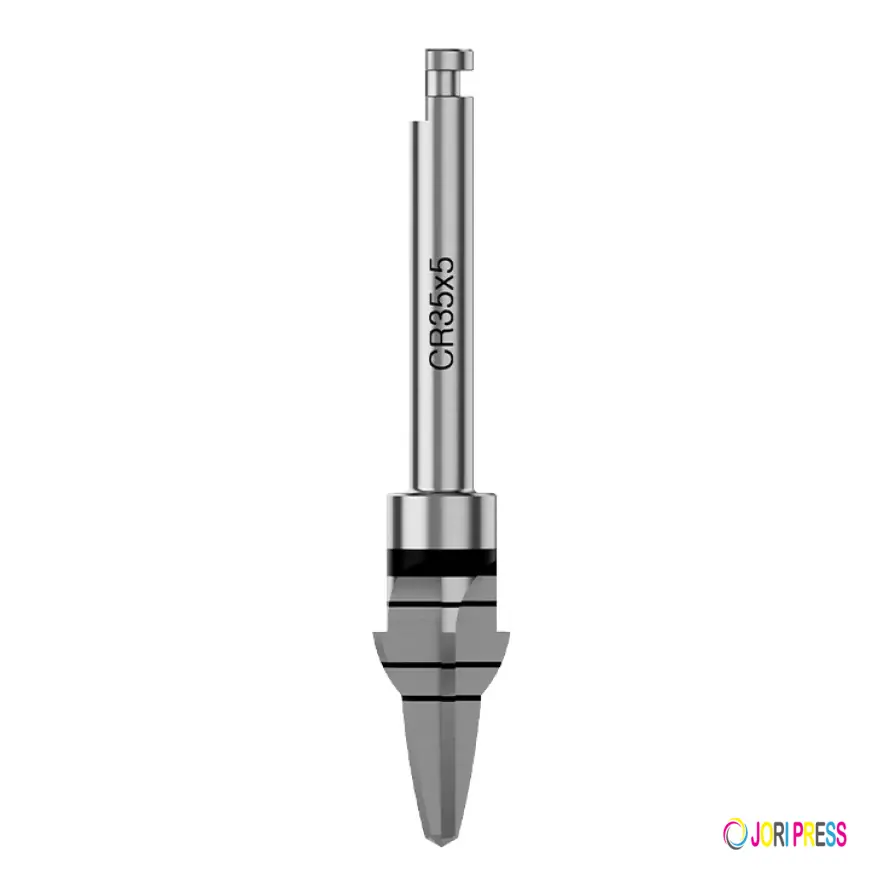
Dental implant surgery has become one of the most effective and predictable methods for replacing missing teeth. While modern implant systems have significantly improved treatment outcomes, the success of every procedure still depends on precise surgical planning, accurate bone preparation, and the use of high-quality instruments. One of the specialized tools that contributes to this precision is the cortical release drill. Designed specifically for preparing the dense outer layer of bone, cortical release drills help clinicians create an ideal implant site while supporting long-term implant stability.
The cortical bone is the hardest part of the jaw and provides the primary mechanical support for a dental implant during placement. If this layer is not prepared correctly, excessive pressure during implant insertion can affect healing and compromise the final result. Cortical release drills are developed to address this challenge by preparing the cortical bone with greater control and accuracy. As implant dentistry continues to evolve, these drills have become an essential part of many surgical protocols.
Understanding Cortical Release Drills
Cortical release drills are precision-engineered surgical instruments used during the osteotomy phase of dental implant surgery. Their primary purpose is to prepare the cortical layer of bone before the implant is inserted. Unlike conventional drills that mainly enlarge the implant site, cortical release drills focus on relieving the dense cortical bone in a controlled manner, making implant placement smoother and more predictable.
Because the cortical layer is significantly harder than the underlying cancellous bone, specialized preparation helps reduce unnecessary stress during implant insertion. This allows clinicians to maintain excellent control throughout the procedure while preserving the surrounding bone structure.
Why Bone Preparation Is Essential
Bone preparation is one of the most important stages of implant surgery because it directly affects implant positioning, stability, and healing. Every implant site must be prepared with the correct depth, diameter, and angulation to match the selected implant system. Even a small deviation during drilling can influence the final prosthetic outcome and the long-term success of the implant.
Proper preparation also creates an environment that supports healthy bone healing. When the osteotomy is prepared accurately, the implant can achieve strong primary stability while minimizing trauma to the surrounding tissues. This balance between stability and bone preservation is one of the reasons cortical release drills have become increasingly valuable in modern implant dentistry.
How Cortical Release Drills Improve Precision
Precision is essential during every stage of implant surgery, and cortical release drills are specifically designed to enhance that precision. Their carefully engineered cutting geometry allows clinicians to prepare the dense cortical layer with exceptional accuracy while maintaining full control of the drilling process.
The controlled cutting action helps create an osteotomy that closely matches the dimensions required for the implant. This improves implant positioning and reduces the risk of unwanted deviations during surgery. Accurate preparation also supports better restorative outcomes by ensuring the implant is placed in its planned location.
Supporting Implant Stability
Primary implant stability is one of the most important factors influencing successful osseointegration. When an implant is securely positioned within the prepared bone, it remains stable throughout the healing process, allowing the surrounding bone cells to integrate with the implant surface.
Cortical release drills contribute to this stability by preparing the dense cortical bone in a way that minimizes excessive compression while maintaining adequate support. This controlled preparation allows implants to seat more naturally within the osteotomy, reducing insertion stress without sacrificing stability. As a result, clinicians can achieve predictable outcomes across a wide range of implant cases.
Preserving Healthy Bone
Preserving healthy bone is a key objective in implant surgery because bone quality directly influences long-term treatment success. Excessive bone removal or unnecessary compression can affect blood circulation and delay the natural healing process.
Cortical release drills are designed to prepare only the amount of bone necessary for implant placement. Their efficient cutting performance minimizes unnecessary trauma and helps maintain the structural integrity of the surrounding bone. Healthy bone preservation not only supports successful osseointegration but also contributes to improved functional and aesthetic outcomes.
Reducing Surgical Stress
Dense cortical bone can create significant resistance during implant placement. Without proper preparation, this resistance may increase insertion torque and place excessive stress on both the implant and surrounding tissues.
Cortical release drills help relieve this stress by preparing the cortical layer before implant insertion. The result is a smoother surgical procedure with better control and improved patient safety. Reduced resistance also allows clinicians to perform implant placement more efficiently while maintaining confidence throughout the operation.
Clinical Applications
Cortical release drills are widely used in many types of implant procedures. They are suitable for single-tooth restorations, multiple implant placements, immediate implant protocols, and digitally guided implant surgeries. Their ability to prepare dense cortical bone accurately makes them especially valuable in patients with high bone density, where careful preparation is essential for successful implant placement.
As implant techniques continue to advance, cortical release drills remain an important instrument for clinicians seeking consistent and predictable surgical outcomes.
Choosing High-Quality Cortical Release Drills
The performance of any surgical instrument depends on its design, manufacturing quality, and durability. High-quality cortical release drills are manufactured from premium surgical-grade stainless steel using advanced precision engineering techniques. These materials provide excellent cutting efficiency, corrosion resistance, and durability even after repeated sterilization cycles.
Selecting reliable instruments also ensures compatibility with modern implant systems and contributes to greater consistency during surgical procedures. Investing in well-manufactured drills allows clinicians to maintain high standards of patient care while improving workflow efficiency.
Why Choose Universal Shapers?
Universal Shapers is dedicated to manufacturing precision dental implant instruments that meet the evolving demands of implant dentistry. Its cortical release drills are engineered to provide outstanding cutting performance, durability, and surgical accuracy. Every instrument is designed to support precise osteotomy preparation while helping clinicians achieve predictable implant placement.
By focusing on quality manufacturing and precision engineering, Universal Shapers provides dental professionals with instruments that enhance both efficiency and clinical confidence. Reliable surgical tools enable clinicians to perform complex implant procedures with greater accuracy while supporting successful long-term treatment outcomes.
Proper Maintenance for Long-Term Performance
Proper maintenance is essential for preserving the performance of cortical release drills. Instruments should be cleaned immediately after use to remove surgical debris before undergoing sterilization according to established clinical protocols. Regular inspection helps identify signs of wear or dull cutting edges, ensuring that only properly functioning instruments are used during surgery.
Careful storage in protective instrument trays also helps prevent accidental damage and extends the lifespan of the drills. Consistent maintenance not only protects the investment in high-quality instruments but also contributes to safer and more predictable surgical procedures.
Conclusion
Successful dental implant surgery depends on precise planning, accurate bone preparation, and dependable surgical instruments. Cortical release drills play a vital role in preparing the dense cortical layer of bone, improving implant stability, preserving healthy bone tissue, and reducing unnecessary surgical stress. Their specialized design allows clinicians to create ideal implant sites while maintaining excellent control throughout the procedure.
As implant dentistry continues to advance, the importance of precision-engineered instruments continues to grow. By incorporating high-quality cortical release drills into their surgical protocols, dental professionals can improve treatment efficiency, support successful osseointegration, and deliver predictable, long-lasting implant results for their patients.
What's Your Reaction?
 Like
0
Like
0
 Dislike
0
Dislike
0
 Love
0
Love
0
 Funny
0
Funny
0
 Angry
0
Angry
0
 Sad
0
Sad
0
 Wow
0
Wow
0