








































Comprehensive Garage Door Repair & Care Guide
Your garage door is one of the most frequently used exterior features of your home, serving as a primary entrance, a key security barrier, and a major factor in curb appeal.

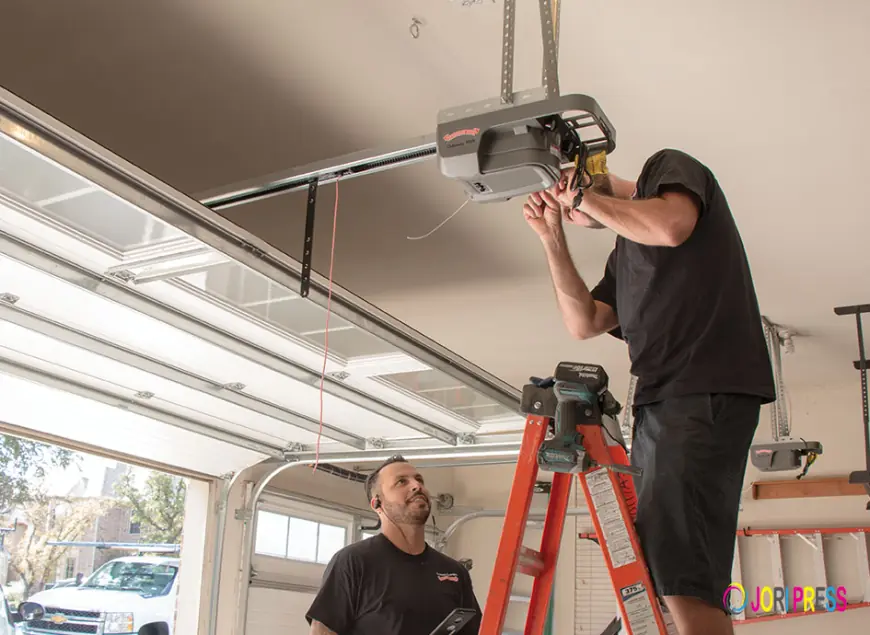
Your garage door is one of the most frequently used exterior features of your home, serving as a primary entrance, a key security barrier, and a major factor in curb appeal. Because it is a heavy mechanical system under constant tension, keeping it in optimal working condition requires routine care and occasional expert service. Whether you are dealing with a noisy opener, an off-track panel, or an unexpected mechanical issue, getting inspiration from past successful projects can help you decide on the right upgrades. To see real-world transformations and full-system repairs, view our latest work to explore professional overhead door solutions.
Understanding Your Garage Door Setup
A residential overhead garage door relies on several interconnected hardware components to open and close smoothly hundreds of times each year:
-
Torsion & Extension Springs: Provide the mechanical force needed to lift and lower hundreds of pounds of door weight balanced and effort-free.
-
Lifting Cables: Durable steel cables that run alongside the springs to assist in lifting the door evenly without binding.
-
Tracks and Rollers: The guidance system that channels the door panels vertically along the wall and horizontally along the garage ceiling.
-
Garage Door Opener: The motorized system that controls automated lifting, safety auto-reversing, and wireless remote signals.
Common Signs Your Garage Door Needs Attention
Ignoring minor warning signs can cause small mechanical glitches to escalate into costly structural repairs. Keep an eye out for these frequent issues:
Unusual Grinding or Squeaking
Dry metal hinges and worn roller bearings often produce high-pitched squeaks. If you hear heavy grinding noises, it usually indicates worn internal gears inside the opener motor or track friction.
The Door Reverses Mid-Closing
If your door begins to close and instantly reverses back up, dirty or misaligned photo-eye sensors near the floor are likely blocking the safety optical beam.
Slow or Strained Movement
If pressing your remote results in a long delay or if the door struggles to lift, your springs are likely losing tension or approaching the end of their operational lifespan.
Crooked or Unbalanced Panels
A door that appears slanted as it rises usually points to a snapped lifting cable or unequal tension between the springs on either side.
Essential Preventative Maintenance Checklist
Following a regular maintenance schedule extends the lifespan of your garage door and keeps it operating quietly month after month:
-
Step 1: Perform a Visual Inspection
-
Examine cables, springs, hinges, and track brackets for visible rust, fraying, or cracking. Never touch high-tension components directly.
- Step 2: Clean the Track Channels
-
Wipe down the inner track grooves with a clean cloth to clear away dust, cobwebs, and hardened grease buildup that could snag rollers.
- Step 3: Test Auto-Reverse Safety Sensors
-
Place a small piece of wood flat on the ground beneath the open door. Lower the door using your remote; upon contact with the wood, the door should instantly reverse direction.
- Step 4: Lubricate Moving Metal Parts
-
Apply a silicone- or lithium-based spray lubricant to hinges, steel rollers, and spring coils twice a year to maintain whisper-quiet motion.
DIY Tasks vs. Professional Repair
While basic cleaning and visual checks are easy DIY projects, high-tension system components require certified technician tools and training.
|
Maintenance Task |
Safe for DIY? |
Requires Professional? |
|
Sensor Lens Cleaning |
Yes |
No |
|
Hinge & Roller Lubrication |
Yes |
No |
|
Track Debris Cleaning |
Yes |
No |
|
Torsion Spring Replacement |
No |
Yes (High Pressure Risk) |
|
Cable Snap Repair |
No |
Yes (High Pressure Risk) |
|
Track Realignment |
No |
Yes |
|
Opener Motor Repair |
No |
Yes |
Critical Safety Note: Torsion springs and cable assemblies store extreme mechanical tension. Attempting to loosen, adjust, or replace them without specialized winding equipment can cause severe physical injury. Always leave high-tension repairs to qualified technicians.
Key Benefits of Upgrading Your Garage Door
Upgrading aging garage door parts or replacing an old system provides valuable benefits across your entire home:
-
Enhanced Home Security: Modern garage door openers utilize rolling code encryption, preventing unauthorized devices from capturing your remote code.
-
Increased Energy Efficiency: Insulated door panels limit thermal transfer, keeping your garage cooler during hot summer days and warmer in winter.
-
Quieter Operation: Replacing worn steel rollers with sealed nylon rollers reduces operational noise dramatically.
-
Boosted Exterior Value: A clean, modern garage door instantly elevates your home's curb appeal and overall market appraisal.
Keep Your Garage Door Safe & Dependable
Staying proactive with basic maintenance checks and relying on professional expertise for complex spring, cable, or motor repairs ensures your garage door remains quiet, secure, and dependable every single day.
What's Your Reaction?
 Like
0
Like
0
 Dislike
0
Dislike
0
 Love
0
Love
0
 Funny
0
Funny
0
 Angry
0
Angry
0
 Sad
0
Sad
0
 Wow
0
Wow
0