
































Basement Floor Coating in Pennsylvania: What Homeowners Should Know Before They Coat Their Concrete
Thinking about basement floor coating in Pennsylvania? See why polyurea beats epoxy in PA's freeze-thaw climate, how installation works, costs, and FAQs.
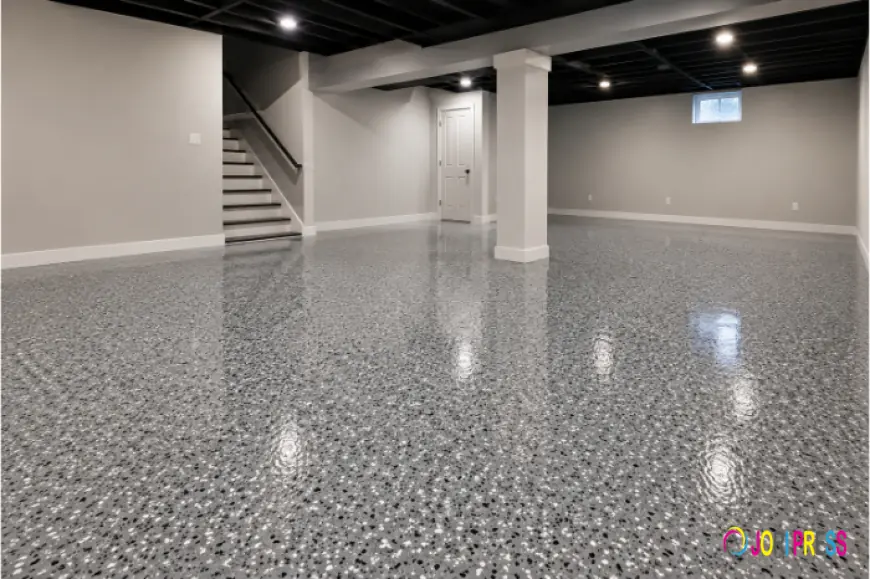
If you've spent any time in a Pennsylvania basement, you already know the drill. Concrete floors that sweat in July, feel like ice in January, and somehow manage to look dingy no matter how many times you sweep them. It's not bad luck. It's just what happens to bare concrete when it sits below grade through four real seasons a year.
That's why basement floor coating in Pennsylvania has become such a common project across the state, from Pottstown and West Chester to smaller towns across Downingtown, Exton, and the surrounding areas. A good basement floor coating doesn't just make the space look better. It solves problems that are specific to how Pennsylvania weather treats concrete.
Why Pennsylvania Basements Are Tougher on Concrete Than You'd Think
Pennsylvania sits in a spot where winters bring hard freezes and summers bring heavy humidity, sometimes within the same six-month stretch. That swing matters more than most homeowners realize.
Concrete is porous. It absorbs moisture from the ground and the air, and when temperatures drop, that trapped moisture expands. Over years, this freeze-thaw cycle causes hairline cracks, surface pitting, and dusting (that fine concrete powder that seems to reappear no matter how often you clean). Add in spring runoff, occasional basement seepage, and the humidity that rolls through in July and August, and you've got a surface that's constantly under stress.
Bare or painted concrete just isn't built to handle that. A properly installed coating is.
Epoxy vs. Polyurea: Why the Coating Type Actually Matters Here
A lot of homeowners searching for basement floor coating assume it means epoxy, since it's the most talked-about option. Epoxy has its place, but it has real limitations in a basement setting. It's sensitive to moisture during installation, it can take a long time to cure, and in colder, damp environments (exactly what a Pennsylvania basement offers for a good chunk of the year), it's more prone to peeling and yellowing over time.
A polyurea basement floor coating, paired with a polyaspartic topcoat, holds up better under those same conditions. They cure faster (often within hours instead of days), they stay flexible instead of going brittle, and they bond more aggressively to the concrete surface. That flexibility is the real advantage in Pennsylvania: as the slab expands and contracts with temperature swings, a polyurea coating moves with it instead of cracking.
What the Installation Process Actually Looks Like
A rushed job is usually the reason a basement coating fails within a couple of years, so it's worth knowing what proper prep should include:
-
Diagnosing moisture first. Before anything gets applied, a contractor should check for active moisture issues. Coating over a basement with an unresolved water problem just traps the issue under a nice-looking surface.
-
Mechanical grinding, not just cleaning. The concrete needs to be ground down to open its pores so the coating can actually bond, rather than sitting on top like paint.
-
Crack and joint repair. Any existing cracks or pitting get filled and leveled before coating begins.
-
Base coat application. This is where the polyurea goes down, forming the main structural bond with the slab.
-
Decorative flake or color, if wanted. Many homeowners add color flake for texture and to hide minor imperfections over time.
-
Topcoat seal. A polyaspartic topcoat locks everything in, adds UV stability, and gives the floor its final sheen and slip resistance.
Done right, most residential basements can be finished in a single day, with the floor ready to walk on within 24 hours.
What a Coated Basement Floor Actually Solves
Beyond the obvious visual upgrade, a coated floor addresses a handful of everyday annoyances:
-
No more concrete dust. Sealing the surface stops that chalky dusting that bare concrete produces.
-
Easier cleanup. Spills, pet accidents, and workshop messes wipe off a sealed, seamless surface instead of soaking in.
-
Better traction. Textured topcoats reduce slipping, which matters if the basement doubles as a laundry room or gym.
-
A more finished feel. Whether the space is used for storage, a home gym, or a rec room, a coated floor makes it feel like a real room instead of an afterthought.
A Few Honest Limitations to Know About
No coating is magic. It's worth setting expectations up front:
-
It's moisture-resistant, not a waterproofing system. If your basement has an active leak or a history of flooding, that needs to be addressed separately, often with drainage or sump pump work, before a coating goes down.
-
Surface condition affects the outcome. Severely damaged or heaving concrete may need more extensive repair first.
-
DIY kits rarely match professional results. Big-box epoxy kits are a different product entirely from professional-grade polyurea systems, and the difference shows up within a year or two.
Choosing a Basement Floor Contractor in Pennsylvania
If you've been searching "basement floor coating near me," you already know how many results come up. Because so much of the outcome depends on proper prep, the contractor matters more than the product. A few questions worth asking before you sign anything:
-
Do they grind the concrete or just clean and apply?
-
What's their process for checking moisture levels beforehand?
-
What products do they use, and are they rated for below-grade, high-moisture environments?
-
Can they show recent local project photos, not just stock images?
A contractor who's upfront about prep work and moisture testing is usually the one who stands behind the job a few years down the road, no matter which city in Pennsylvania the project is in.
Frequently Asked Questions
How long does a basement floor coating last in Pennsylvania? With proper installation and prep, polyurea and polyaspartic systems typically hold up for 10-20 years, even with Pennsylvania's freeze-thaw cycles, though heavy use areas may need a topcoat refresh sooner.
Can you coat a basement floor with an existing moisture problem? Not without addressing the source first. Coating over active moisture issues usually leads to bubbling or delamination within a year or two.
Is polyurea worth the extra cost over epoxy? For below-grade spaces specifically, most contractors consider it worth it. The flexibility and faster cure time matter more in a basement than in, say, a garage.
How soon can I use the basement after coating? Most polyurea/polyaspartic systems allow light foot traffic within 24 hours, which is one of the bigger advantages over traditional epoxy.
Does the coating help with basement humidity? It helps by sealing the concrete surface so it stops releasing moisture into the air, but it won't replace a dehumidifier if humidity is already a persistent issue in the space.
What's Your Reaction?
 Like
0
Like
0
 Dislike
0
Dislike
0
 Love
0
Love
0
 Funny
0
Funny
0
 Angry
0
Angry
0
 Sad
0
Sad
0
 Wow
0
Wow
0