








































Abutment Multi Unit: A Complete Guide to Its Role in Dental Implant Restoration

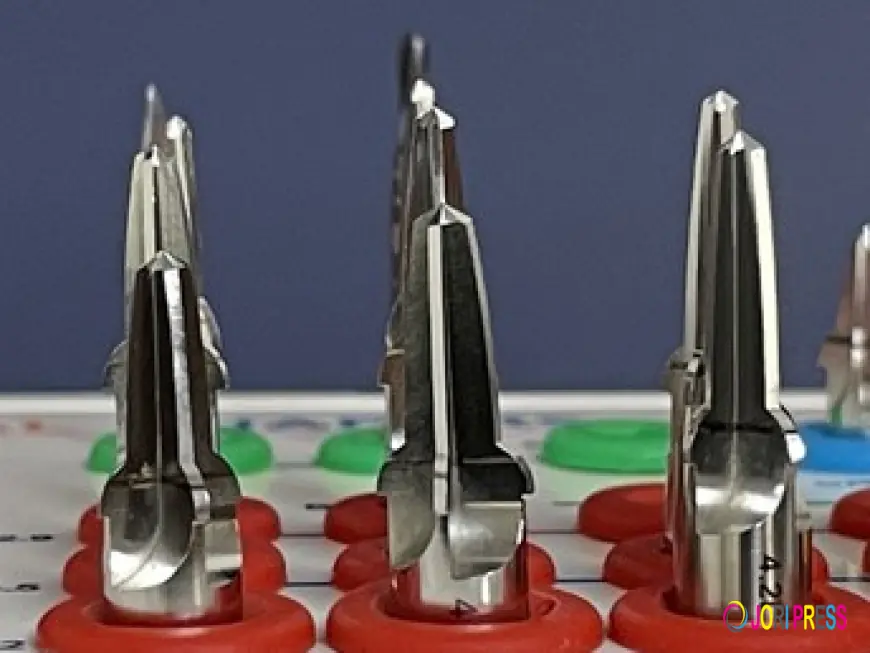
Dental implant treatment has developed significantly, offering reliable solutions for replacing missing teeth and restoring oral function. For patients who require multiple implant-supported teeth, selecting the right restorative components is an important part of treatment planning. An abutment multi unit is a specialised dental implant component commonly used to support fixed full-arch restorations.
Multi-unit abutments help connect dental implants to a prosthetic restoration while providing flexibility in restorative positioning. They are particularly useful in cases where implants are placed at different angles or where a dentist needs to create a suitable pathway for attaching a fixed dental prosthesis. Understanding their design, function, and clinical applications helps dental professionals make informed decisions during implant treatment.
What Is a Multi-Unit Abutment?
A multi-unit abutment is a prosthetic component that connects a dental implant to a fixed restoration, such as a full-arch bridge. It is designed to provide a consistent restorative connection and can help compensate for differences in implant angulation.
Unlike a conventional single-tooth abutment, which generally supports an individual crown, multi-unit abutments are frequently used when several implants work together to support one prosthesis.
These components are available in different collar heights, angulations, and connection designs. The appropriate option depends on implant position, available restorative space, soft-tissue conditions, and the requirements of the final prosthesis.
How Does an Abutment Multi Unit Work?
A multi-unit abutment is attached to the dental implant using a compatible screw connection. The prosthetic restoration is then connected to the abutment, often through a screw-retained design.
This arrangement creates a defined restorative platform above the implant. It allows the dental professional to connect multiple implants to a common prosthetic structure, even when the implants are not perfectly parallel.
In full-arch rehabilitation, this can simplify the restorative process by providing a consistent connection point for the final prosthesis.
The exact workflow depends on the implant system, the type of abutment, and the restoration being planned.
Common Applications of Multi-Unit Abutments
Multi-unit abutments are used in several implant treatment situations, particularly when multiple implants need to support a fixed restoration.
Full-Arch Implant Restorations
One of the most common applications is full-arch rehabilitation. Patients who have lost most or all of their teeth may receive several dental implants to support a fixed full-arch prosthesis.
Multi-unit abutments provide the connection between the implants and the restoration. They can also help create a more suitable prosthetic pathway when implants are positioned at different angles.
Angled Implant Placement
In certain clinical situations, implants may be placed at an angle because of anatomical limitations or treatment-planning requirements. Angled multi-unit abutments can help correct the restorative direction and provide a more appropriate connection for the prosthesis.
The selection of an angled component should be based on the implant position, restorative design, and manufacturer specifications.
Screw-Retained Prostheses
Multi-unit abutments are frequently used with screw-retained restorations. These restorations are secured with prosthetic screws rather than relying entirely on dental cement.
A screw-retained design can make removal easier when professional maintenance, repair, or modification is required. It also allows the dental team to access the underlying components when necessary.
Different Types of Multi-Unit Abutments
Multi-unit abutments are available in several designs to accommodate different clinical requirements.
Straight multi-unit abutments: These are commonly selected when the implant position allows a relatively direct restorative connection.
Angled multi-unit abutments: These components help compensate for implant angulation and can improve the restorative pathway in selected cases.
Different collar heights: Collar-height options allow clinicians to select a component that suits the soft-tissue thickness and restorative space.
Different implant connections: Compatibility varies between implant systems, so the connection type must match the implant platform and manufacturer requirements.
Choosing the correct component is essential for achieving a secure connection and reducing the risk of restorative complications.
Benefits of Using Multi-Unit Abutments
Multi-unit abutments offer several advantages in suitable implant-supported restorations. One important benefit is their ability to help manage differences in implant angulation. This can be especially useful in full-arch treatment, where implant positioning is influenced by bone availability and anatomical structures.
They also provide a standardised restorative platform for connecting multiple implants to one prosthesis. This can support a more organised restorative workflow and make certain screw-retained restorations easier to maintain.
Another potential advantage is improved access for prosthetic maintenance. Because many multi-unit restorations are screw-retained, the dental professional can remove the prosthesis when clinically necessary.
However, the benefits depend on correct component selection, implant positioning, prosthetic design, and clinical execution.
How to Select the Right Multi-Unit Abutment
Selecting a suitable multi-unit abutment requires careful consideration of several factors. The implant connection is one of the most important details because components from different systems are not automatically interchangeable.
Dentists and implant specialists should also consider implant angulation, collar height, restorative space, soft-tissue thickness, and the design of the final prosthesis.
The manufacturer’s technical documentation should be checked before selecting or connecting any component. Using an incompatible abutment or screw can affect the connection and potentially contribute to mechanical complications.
Dental laboratories and clinicians should maintain accurate records of the implant system and restorative components used in each case.
Potential Complications and Clinical Considerations
Although multi-unit abutments are widely used in implant dentistry, careful planning is necessary to minimise complications.
Potential issues may include screw loosening, component wear, prosthetic misfit, hygiene difficulties, and soft-tissue inflammation. Excessive mechanical loading or an unsuitable prosthetic design may also affect long-term performance.
Proper tightening procedures, including the manufacturer's recommended torque values, are important when attaching components. The clinician should also evaluate the patient's bite and ensure that the prosthesis can be cleaned effectively.
Regular follow-up appointments help identify potential problems and allow the dental team to assess the condition of the restoration and surrounding tissues.
Maintaining Multi-Unit Implant Restorations
Long-term maintenance is essential for protecting implant-supported restorations. Patients should receive clear instructions on cleaning around the prosthesis, including the areas beneath a full-arch restoration.
Depending on the prosthetic design, specialised brushes, interdental cleaners, and water flossers may be recommended. Professional maintenance appointments allow the dentist to inspect the prosthesis, check the surrounding tissues, and evaluate the condition of accessible components.
Patients should report discomfort, unusual movement, changes in their bite, or difficulty cleaning the restoration. Early professional assessment can help prevent minor concerns from developing into more complicated problems.
Conclusion
An abutment multi unit is an important restorative component in modern dental implantology, particularly for full-arch and multiple-implant restorations. It connects dental implants to fixed prostheses and can help manage differences in implant angulation while providing a consistent restorative platform.
Successful use depends on selecting compatible components, following manufacturer guidelines, planning the prosthesis carefully, and maintaining good oral hygiene. With appropriate clinical assessment and regular professional follow-up, multi-unit abutments can contribute to functional and maintainable implant-supported restorations.
What's Your Reaction?
 Like
0
 Dislike
0
 Love
0
 Funny
0
 Angry
0
 Sad
0
 Wow
0