





































How Winter Weather Causes Hidden Damage to Commercial Buildings
Protect your commercial property from winter weather damage with professional commercial pressure washing, masonry repair, waterproofing, and exterior maintenance across New England.

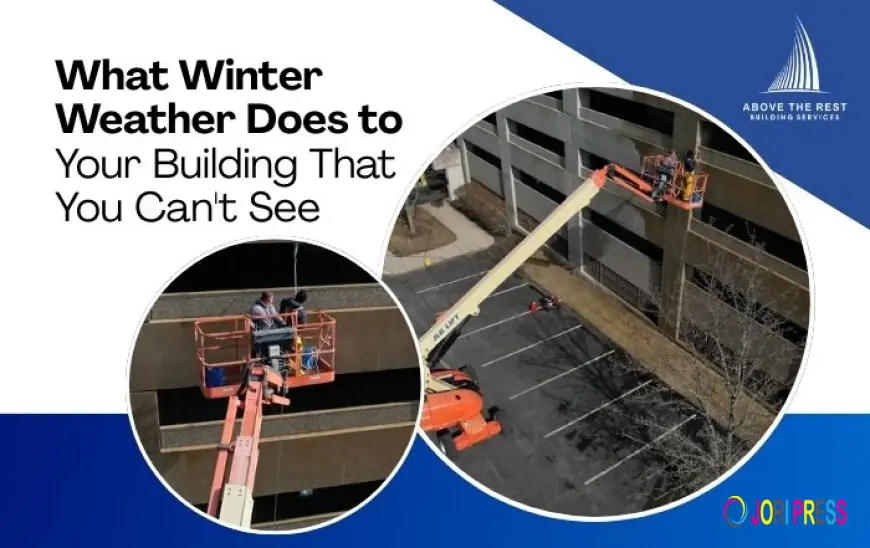
Every winter leaves a visible mark on commercial properties, from snow-covered rooftops to icy walkways. However, the most significant effects of the season are rarely the ones seen immediately. Beneath seemingly intact brick walls, concrete surfaces, and exterior coatings, winter weather can silently weaken a building's structural systems. By the time cracks, leaks, or surface deterioration become noticeable, the underlying damage may already require extensive repairs.
For commercial property owners and facility managers across New England, understanding how winter weather affects the building envelope is an essential part of long-term asset management. Freeze-thaw cycles, moisture infiltration, de-icing salts, and fluctuating temperatures create conditions that gradually compromise masonry, concrete, waterproofing systems, and other exterior components. Recognizing these hidden risks early allows building owners to reduce repair costs, extend the life of exterior materials, and maintain safer environments for occupants.
The Science Behind Freeze-Thaw Damage
One of the most destructive winter processes affecting commercial buildings is the freeze-thaw cycle. Masonry materials such as brick, stone, mortar, and concrete naturally contain microscopic pores that absorb moisture during rain, snowfall, or melting ice. When temperatures fall below freezing, this trapped water expands, creating internal pressure within the material.
As temperatures rise, the ice melts, allowing additional moisture to penetrate even deeper before freezing again. Throughout a typical New England winter, this expansion and contraction may occur dozens of times, gradually weakening structural materials without producing immediate visible signs.
Over time, freeze-thaw activity can contribute to:
- Expansion of hairline cracks
- Deterioration of mortar joints
- Loose or displaced masonry units
- Surface scaling and concrete deterioration
- Increased pathways for moisture intrusion
Because these changes develop beneath the surface, routine inspections are essential for identifying damage before it progresses into major structural concerns.
Moisture Remains the Greatest Long-Term Threat
Water is one of the primary causes of building deterioration because it rarely remains isolated to one location. Once moisture enters compromised masonry or damaged sealants, it can migrate into insulation, wall assemblies, steel reinforcement, and interior finishes.
This hidden moisture often contributes to:
- Interior water infiltration
- Mold and mildew development
- Corrosion of structural steel
- Reduced thermal efficiency
- Premature deterioration of waterproofing systems
- Higher maintenance and restoration costs
Without proactive maintenance, moisture continues affecting building performance long after winter has ended.
The Impact of Salt and Environmental Contaminants
De-icing salts improve pedestrian and vehicle safety during winter but create additional challenges for commercial buildings. Salt residue accumulates on masonry, concrete, sidewalks, parking structures, and building façades throughout the season. As these contaminants penetrate porous materials, they attract moisture and accelerate deterioration.
Combined with airborne pollutants, dirt, and organic growth, salt deposits increase the likelihood of surface staining, coating failure, brick spalling, and concrete degradation. While these issues may initially appear cosmetic, they often contribute to more significant structural problems over time.
For this reason, professional commercial pressure washing is widely recognized as an important component of post-winter exterior maintenance. Removing corrosive contaminants from masonry and concrete surfaces not only restores appearance but also supports accurate building inspections by exposing cracks, deteriorated joints, and other hidden defects that require attention.
Looking Beyond Visible Damage
Many commercial building owners focus on repairing problems only after visible deterioration appears. However, the absence of obvious damage does not necessarily indicate that exterior systems remain unaffected.
A comprehensive post-winter assessment should evaluate the entire building envelope, including:
- Masonry walls
- Concrete surfaces
- Waterproofing membranes
- Expansion joints
- Caulking and sealants
- Exterior coatings
- Windows and glazing systems
- Drainage components
Each of these elements works together to prevent moisture intrusion. When one system begins to fail, surrounding components become increasingly vulnerable, allowing water to spread throughout the structure.
Preventive Maintenance Protects Long-Term Building Performance
Rather than responding to major repairs after damage becomes visible, many commercial property owners now emphasize preventive maintenance. Regular inspections and seasonal exterior maintenance programs provide opportunities to identify small deficiencies before they expand into larger restoration projects.
An effective maintenance strategy often includes professional commercial pressure washing, commercial masonry repair, waterproofing, window cleaning, façade inspections, sealant replacement, concrete restoration, and routine building envelope evaluations. Together, these services improve structural reliability while reducing long-term maintenance expenses and minimizing operational disruptions.
For commercial properties throughout New England, where winter conditions consistently challenge exterior materials, preventive maintenance has become an important part of responsible asset management and capital planning.
Building Resilience Beyond the Winter Season
Winter weather may last only a few months, but its impact on commercial buildings often continues well into spring and summer. Hidden moisture, repeated freeze-thaw cycles, and accumulated contaminants can silently compromise structural systems if they are not addressed promptly.
By investing in timely inspections and comprehensive exterior maintenance, property owners can protect building performance, improve safety, and extend the service life of critical components. Services such as professional commercial pressure washing, masonry repair, waterproofing, window cleaning, and façade maintenance play an important role in preserving commercial buildings exposed to New England's demanding climate.
Companies such as Above The Rest Building Services specialize in these exterior maintenance solutions, providing commercial property owners with the expertise and specialized access equipment needed to identify hidden vulnerabilities and maintain building envelopes before seasonal damage develops into costly structural repairs.
A proactive approach to winter recovery is not simply about improving appearance it is a strategic investment in the long-term durability, safety, and value of every commercial property.
What's Your Reaction?
 Like
0
Like
0
 Dislike
0
Dislike
0
 Love
0
Love
0
 Funny
0
Funny
0
 Angry
0
Angry
0
 Sad
0
Sad
0
 Wow
0
Wow
0