



































Wide-Mouth Mould Manufacturer for Packaging

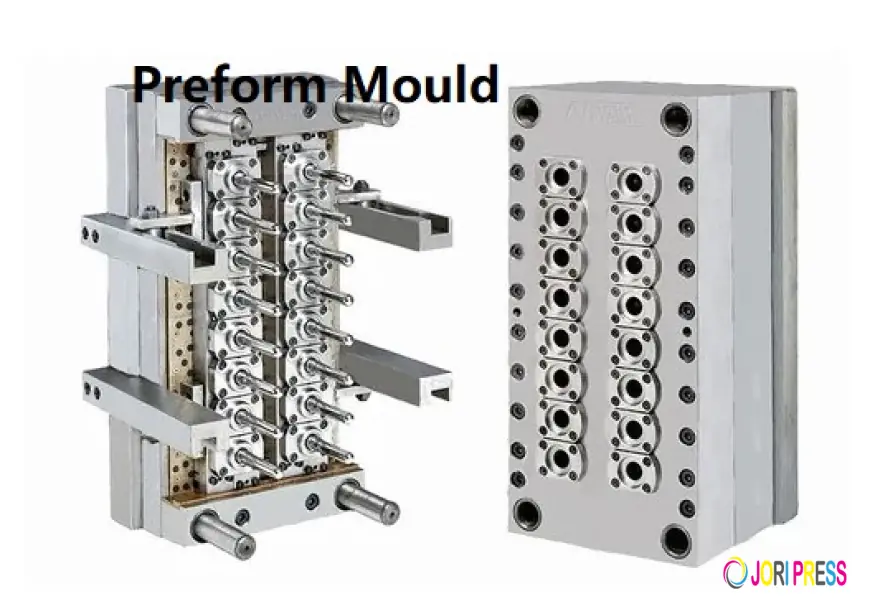
Wide-mouth containers are widely used in food packaging, household products, cosmetic storage, and various industrial applications. Their larger openings create specific requirements for preform dimensions, neck structures, and mould engineering. When selecting a Wide-Mouth Mould Manufacturer, buyers should evaluate design flexibility, cavity precision, and compatibility with their injection equipment. An experienced Wide-Mouth Mould Manufacturer can help packaging producers develop suitable mould configurations for different container designs while supporting stable production and consistent product dimensions.
Understanding the Requirements of Wide-Mouth Preforms
Wide-mouth preforms differ from conventional bottle preforms because their neck openings and structural proportions require particular attention. These characteristics influence the mould design and the subsequent production process.
For food containers, storage jars, and household packaging, the opening must accommodate the intended closure or dispensing method. Thread dimensions, neck height, sealing surfaces, and preform weight should therefore be considered during product development.
The container's intended application also influences material distribution. A suitable preform structure provides a practical starting point for producing containers with the required dimensions and appearance. Sharing detailed product drawings before mould development helps engineers understand these requirements and establish an appropriate design.
Mould Structure and Precision Engineering
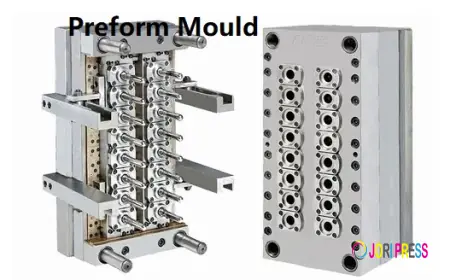
The performance of a wide-mouth mould depends on the coordination of its internal components. Cavities, cores, neck inserts, cooling channels, and positioning structures must work together throughout repeated injection cycles.
Accurate machining is particularly important around the neck area because small dimensional differences may affect cap compatibility and sealing performance. Proper alignment between mould components also contributes to consistent preform formation.
Cooling arrangements deserve equal consideration. Different preform dimensions and wall thicknesses may require specific cooling configurations. A carefully designed system helps manage temperature conditions during production and supports predictable processing results.
Manufacturers should also consider component accessibility. Moulds designed with practical maintenance requirements in mind can make cleaning, inspection, and replacement work easier for factory technicians.
Choosing Cavity Arrangements for Production Demand
Cavity quantity should match the production objectives and available injection equipment. Wide-mouth preforms come in different sizes and weights, meaning that one cavity configuration may not suit every manufacturing project.
Before choosing a mould, buyers should review several practical factors:
-
Expected daily or monthly production volume.
-
Injection machine capacity and clamping specifications.
-
Preform dimensions and individual product weight.
-
Available installation space and operating conditions.
-
Requirements for mould cleaning and component replacement.
A balanced configuration is often more useful than simply selecting the largest possible cavity quantity. Proper coordination between mould structure and machine performance helps manufacturers organize production more effectively.
Taizhou Qihong Mould Solutions for Wide-Mouth Packaging
Taizhou Qihong Mold Co., Ltd. offers mould products for different plastic packaging applications, including wide-mouth moulds, PET preform moulds, and bottle cap moulds.
For customers developing wide-opening containers, product customization can address differences in neck finishes, container capacities, and packaging structures. Buyers can provide technical drawings, product samples, or reference specifications to communicate their requirements.
The development process should also consider the relationship between preforms and their corresponding bottle caps. Matching these components is important for achieving suitable assembly dimensions and supporting the intended packaging function.
By discussing machine models, material preferences, cavity quantities, and expected output in advance, customers can establish clearer project specifications before mould manufacturing begins.
Maintenance and Production Preparation
A well-managed mould requires regular inspection throughout its operating life. Wide-mouth moulds contain precision components that should be cleaned and checked according to production conditions and maintenance schedules.
Technicians should pay attention to neck inserts, cavity surfaces, moving components, and cooling passages. Removing accumulated residue and checking component conditions can help prevent avoidable production interruptions.
Proper storage is also important when moulds are not in use. Clean surfaces, suitable protective treatment, and organized component management help maintain tooling conditions between production projects.
What's Your Reaction?
 Like
0
 Dislike
0
 Love
0
 Funny
0
 Angry
0
 Sad
0
 Wow
0