








































Why Sustainability Is the New Standard for Alcohol Bottling Plants


The global beverage industry is undergoing a quiet yet powerful transformation , one driven not just by innovation or efficiency, but by sustainability. As consumers grow more conscious of how and where their favorite drinks are produced, the industry’s environmental footprint has come under increasing scrutiny. In response, forward-thinking companies are reimagining how every stage of production operates , and nowhere is this shift more evident than within the modern alcohol bottling plant.
Sustainability has moved from being a corporate buzzword to a measurable business strategy that defines long-term success. Bottling facilities that once focused solely on production speed and volume are now prioritizing cleaner energy, waste reduction, and resource optimization. These changes are not only reshaping manufacturing processes but also influencing how liquor distributors and retail networks operate across the globe.
The Changing Landscape of Beverage Production
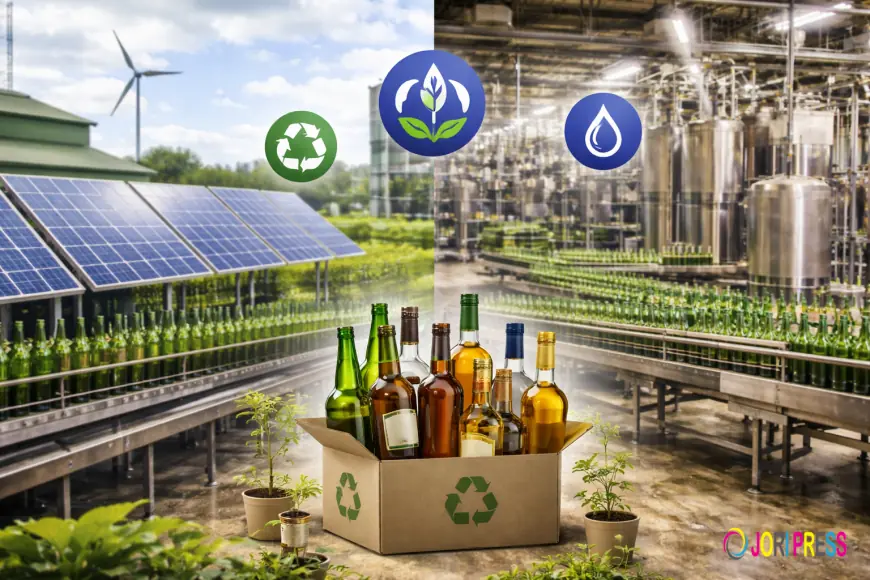
Traditionally, bottling facilities were energy-intensive, water-heavy operations that generated large amounts of glass, plastic, and packaging waste. However, rising environmental concerns and global sustainability goals have pressured producers to overhaul these models. New-age plants are integrating renewable energy systems, such as solar panels and biomass boilers, to power bottling lines while minimizing carbon emissions.
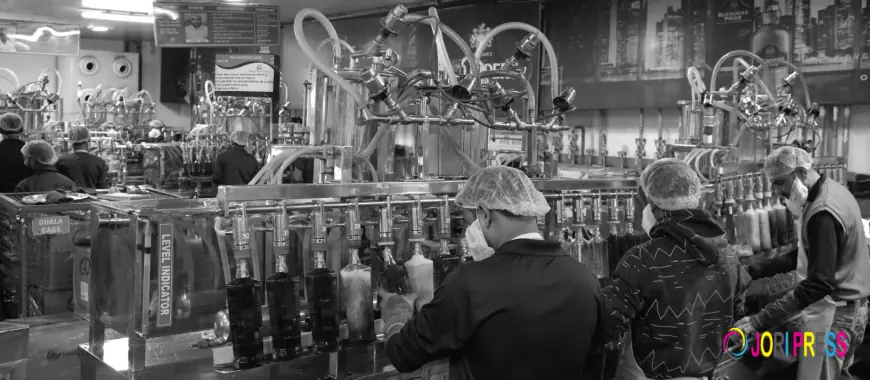
In parallel, automation and precision technologies are helping monitor water usage, reduce leakage, and cut production waste to near-zero levels. This shift not only conserves resources but also ensures consistent product quality and lower operational costs , a rare win-win scenario for producers and distributors alike.
Green Packaging: A Game Changer for the Industry
One of the most visible signs of change is in packaging. Consumers today are demanding environmentally friendly alternatives to single-use plastics, and brands are responding with recyclable glass, lightweight aluminum, and plant-based bottles.
Eco-conscious packaging doesn’t just help the planet , it has become a marketing differentiator. Many wine and liquor distributors now prefer brands that adopt sustainable packaging because it aligns with evolving customer values. In turn, this encourages producers to invest further in circular packaging systems where materials are reused, recycled, and repurposed rather than discarded.
Energy Efficiency and Water Conservation
Energy and water form the lifeblood of any bottling plant. By adopting smart monitoring systems and closed-loop water recovery processes, facilities can dramatically reduce waste. Some have even introduced “dry lubrication” systems for conveyor belts, replacing water-based solutions and saving millions of liters annually.
Energy optimization has also taken center stage. Variable frequency drives, energy-efficient motors, and heat recovery systems are now commonplace in modern plants. Together, these technologies reduce the energy load per bottle produced , directly cutting down operational costs and greenhouse gas emissions.
The Rise of Smart Manufacturing and Digital Accountability
Sustainability is as much about transparency as it is about technology. Advanced data analytics and IoT-enabled sensors now provide real-time insights into energy consumption, emissions, and resource efficiency. This digital accountability ensures that sustainability isn’t just an annual report metric but an ongoing, measurable practice.
By tracking performance data, manufacturers can identify inefficiencies, optimize resource allocation, and maintain regulatory compliance. These systems also make it easier for distributors and supply chain partners to assess the environmental impact of their sourcing decisions.
Sustainability as a Competitive Advantage
For an alcohol bottling plant, sustainability has evolved into more than just a moral obligation , it’s a business imperative. Consumers increasingly associate brand credibility with ethical production, and investors favor companies that integrate environmental, social, and governance (ESG) principles into their operations.
As this mindset spreads, liquor distributors are adapting their portfolios to feature brands with strong sustainability credentials. This not only strengthens their reputation but also appeals to a growing segment of environmentally aware customers. The entire ecosystem , from the manufacturer to the end consumer , now thrives on a shared commitment to responsible production.
A Future Built on Responsibility
The beverage industry’s future is being written in greener ink. The most successful producers are those who understand that sustainability is not a trend , it’s the new standard. Through eco-efficient technologies, smart packaging, and transparent operations, alcohol bottling plants are proving that profitability and environmental responsibility can coexist seamlessly.
As global demand for quality spirits continues to grow, the companies that invest in cleaner production today will lead the industry tomorrow. And with wine and liquor distributors increasingly prioritizing sustainable partnerships, the shift toward responsible production isn’t just a matter of choice , it’s the foundation of the next era in beverage manufacturing.
FAQs
Q1: Why is sustainability so important in alcohol bottling plants?
Sustainability matters because traditional bottling operations consume large amounts of energy, water and raw materials. By switching to efficient systems, recycling processes and greener packaging, plants minimize waste and lower carbon-footprint, which supports long-term viability and regulatory compliance.
Q2: How do liquor distributors benefit from working with sustainable bottling operations?
When liquor distributors partner with environmentally responsible plants, they gain access to products made with lower resource-use and higher traceability. That boosts brand reputation, aligns with consumer demand for eco-friendly choices, and can improve supply-chain resilience and cost efficiency.
Q3: Can you give a real-world example of a bottling facility making strides in sustainability?
Yes. Rajasthan Liquors Limited (RLL) operates advanced bottling operations in India and has modern automated lines driven by efficiency and precision. While the company emphasises production capacity, such facilities are increasingly positioned to adopt sustainable practices in line with current industry standards. RLL
Q4: What are the most common sustainable practices introduced in bottling plants today?
Key practices include: • Using renewable energy sources (solar, biomass) to power bottling lines. • Employing closed-loop water systems to recycle process water. • Switching to lightweight, recyclable or plant-based packaging. • Monitoring resource use and emissions via IoT and digital analytics.
Q5: How does this sustainability shift impact the future of wine and liquor distributors?
As sustainability becomes non-negotiable, wine and liquor distributors will increasingly favour brands produced in eco-conscious plants. This means the supply-chain will reward those with verified environmental credentials, pushing the industry consistently toward greener operations and giving distributors access to more responsible product portfolios.
What's Your Reaction?
 Like
0
Like
0
 Dislike
0
Dislike
0
 Love
0
Love
0
 Funny
0
Funny
0
 Angry
0
Angry
0
 Sad
0
Sad
0
 Wow
0
Wow
0