





































Why So Many Adults in Laguna Hills Are Finally Fixing Their Smile (Without Metal Braces)

Ever catch yourself smiling with your mouth closed in photos? You're not alone. I know at least three friends who do this, and every single one of them told me the same thing when I asked why: "I hate my crooked teeth, but I'm not wearing braces at 35."
Fair enough. Nobody wants to walk into a work meeting with a mouth full of metal. But here's the thing nobody tells you: you don't have to choose between a straight smile and looking like you're back in eighth grade orthodontics class. Clear aligners changed that equation, and if you live anywhere near south Orange County, you've probably already heard your neighbor or coworker mention Invisalign at some point this year.
So let's talk about what it actually is, whether it's worth the money, and why picking the right dentist in Laguna Hills matters more than people realize.
What Invisalign Actually Is (In Plain English)
Invisalign is a series of clear, custom-molded trays that gradually shift your teeth into place. Think of it like a very slow, very gentle nudge. Instead of tightening wires every few weeks like traditional braces, you swap out a new tray every week or two. Each one is slightly different, and over time, those small differences add up to a straighter smile.
The trays are made of a smooth plastic material, nothing sharp, nothing that pokes your cheek. You can pop them out to eat, brush your teeth normally, and honestly, most people won't even notice you're wearing them unless they're standing about six inches from your face and staring at your mouth. Which, let's be honest, nobody does.
I'll admit, when I first heard about clear aligners years ago, I assumed they were some gimmicky shortcut that wouldn't really work for anything beyond minor gaps. Turns out that's outdated thinking. Modern aligner technology handles crowding, spacing, overbites, underbites, and even some cases that used to require traditional braces. It's come a long way.
Why Everyone's Suddenly Talking About It
Part of it is just visibility. Once a few people in your circle start wearing them, you notice. But there's also a real shift happening in how adults think about dental care. We're not just fixing cavities anymore. We're investing in things that make daily life better, and a smile you're not embarrassed by falls squarely into that category.
There's also a practical side. Crooked or overlapping teeth aren't just a cosmetic issue. They can make brushing and flossing genuinely harder, which means more plaque buildup in the gaps you can't reach properly. Over years, that turns into gum problems nobody wants to deal with. So straightening your teeth isn't purely about vanity, even though that's usually what gets people through the door.
What Makes a Good Invisalign Dentist Different From a Mediocre One
Here's something a lot of people don't think about until it's too late: not every dentist who offers Invisalign is equally good at it. The trays themselves come from the same manufacturer no matter where you go, but the treatment plan behind them, the mapping of how your teeth move, the timing of adjustments, the way they handle bumps in the road, that all depends on the dentist's experience and judgment.
A dentist who's done a handful of Invisalign cases is going to approach your treatment differently than one who's done hundreds. It's kind of like the difference between someone who's cooked a dish twice versus someone who's made it every week for ten years. Both technically know the recipe. Only one of them knows what to do when something goes slightly off.
This matters a lot if your case involves anything beyond mild crowding. Overbites, rotated teeth, or significant spacing issues require a dentist who can actually predict how your teeth will respond and adjust the plan accordingly. A rushed or inexperienced approach can mean longer treatment time, more refinement trays, or results that don't quite hit the mark.
Finding the Right Dentist in Laguna Hills
If you're searching for a dentist in Laguna Hills who handles Invisalign regularly, there are a few things worth checking before you book that first consultation.
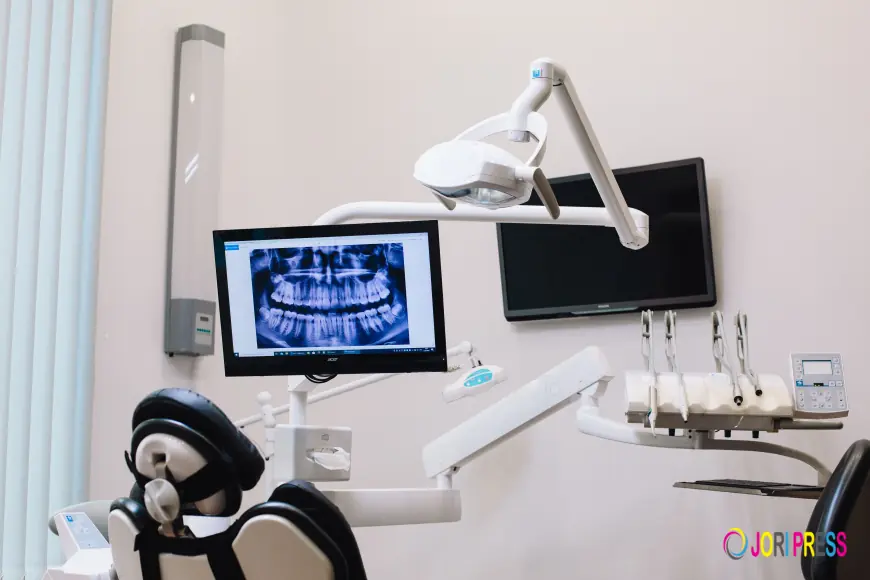
First, ask how many active Invisalign cases they're currently managing. This gives you a sense of how often they're actually using the technology, not just offering it on a brochure. Second, ask whether they use digital scanning for your initial impressions. The old-school method involved biting down into a tray of gooey material that made most people gag a little. Digital scanners are faster, more comfortable, and honestly, more accurate too.
Third, and this one gets overlooked, ask about their approach to monitoring progress. Some practices have you come in every six to eight weeks for a quick check. Others use remote monitoring apps where you snap a photo of your teeth and send it in between visits. Neither approach is objectively better, but you should know which one you're signing up for.
I've talked to people who went with the cheapest option they found online, only to realize months later that their dentist wasn't really tracking their progress closely. Their trays weren't fitting quite right, and nobody caught it until the treatment was basically done and the results were underwhelming. That's the kind of story that makes you want to actually do your homework before choosing where to go.
How Long Does It Actually Take?
This is probably the number one question people ask, right after "does it hurt." The honest answer is it depends. Mild cases, think small gaps or slight crowding, can wrap up in as little as six months. More involved cases might run twelve to eighteen months, sometimes longer if there are complicating factors.
What throws people off is that Invisalign timelines depend heavily on compliance. The trays need to stay in for about twenty to twenty two hours a day to actually work. If you're constantly taking them out for snacks, coffee, or just because they're mildly annoying that day, your treatment stretches out. I know someone who dragged her six month treatment plan into almost a year purely because she kept "forgetting" to put the trays back in after lunch. Discipline matters here more than people expect going in.
Does It Actually Hurt?
There's some discomfort, especially in the first few days after switching to a new tray. It's more pressure than pain though, kind of like the feeling of biting down on something slightly too firm. Most people describe it as mild soreness that fades within a day or two. It's nowhere near the level of discomfort associated with traditional braces getting tightened, from what I've heard from friends who've done both.
If you're someone with a low pain tolerance, that's worth mentioning to your dentist upfront. They can adjust the pacing of your tray changes slightly to make things more comfortable, even if it adds a little time to the overall process.
What About Cost?
Cost varies a lot depending on the complexity of your case and where you live. Generally speaking, Invisalign tends to run somewhere in a similar range to traditional braces, sometimes slightly more for complex cases, sometimes less for straightforward ones. Many dental offices offer payment plans, and if you have dental insurance, there's a decent chance at least part of the cost gets covered since orthodontic treatment is medically recognized, not purely cosmetic.
The best move is to get an actual quote based on your specific teeth rather than going off average numbers you find online, because those numbers rarely reflect your exact situation.
A Personal Take
I'll be honest, I was skeptical of clear aligners for a long time. It seemed almost too easy compared to what my older cousin went through with traditional braces back in the day, complete with rubber bands and monthly tightening appointments that left her jaw sore for a week each time. But after seeing a few people go through the Invisalign process and come out the other side with genuinely straighter teeth and none of the drama, I changed my mind. The technology has matured. It's not a fad, it's a legitimate improvement in how orthodontic treatment gets delivered.
That said, results really do hinge on the dentist behind the plan. Two people could use the exact same aligner brand and end up with very different outcomes depending on who mapped out their treatment.
If You're Considering It
If you're in the Laguna Hills area and thinking about straightening your teeth without committing to metal brackets, it's worth scheduling a consultation to see what your specific case would look like. Most practices offer a free initial scan and assessment, so there's little risk in just finding out where you stand. If you want a clearer picture of what the process involves locally, this Read more page from Laguna Dental Center breaks down what Invisalign treatment looks like for patients in the area, including what to expect at each stage.
The Real Takeaway
A straighter smile isn't just about looking good in photos, although that's a nice bonus. It's about being able to clean your teeth properly, avoid future dental issues, and stop instinctively covering your mouth every time you laugh at something genuinely funny. Clear aligners made that goal a lot more approachable for adults who never wanted to deal with traditional braces in the first place.
So here's a question worth sitting with: if the only thing standing between you and a smile you actually like is a slightly awkward consultation appointment, is that really a big enough reason to keep putting it off?
What's Your Reaction?
 Like
0
Like
0
 Dislike
0
Dislike
0
 Love
0
Love
0
 Funny
0
Funny
0
 Angry
0
Angry
0
 Sad
0
Sad
0
 Wow
0
Wow
0