





































Why Every Machine Shop Needs a Quality Chamfer Tool
Learn why a quality chamfer tool is essential for machine shops. Improve edge finishing, machining accuracy, productivity, and overall manufacturing quality.

How Quality Chamfer Tools Improve Precision and Productivity
In today's competitive manufacturing industry, precision and efficiency are essential for success. Machine shops are expected to produce high-quality components while maintaining tight production schedules and controlling costs. While major machining operations such as milling, drilling, and turning receive significant attention, edge finishing is equally important in ensuring product quality.
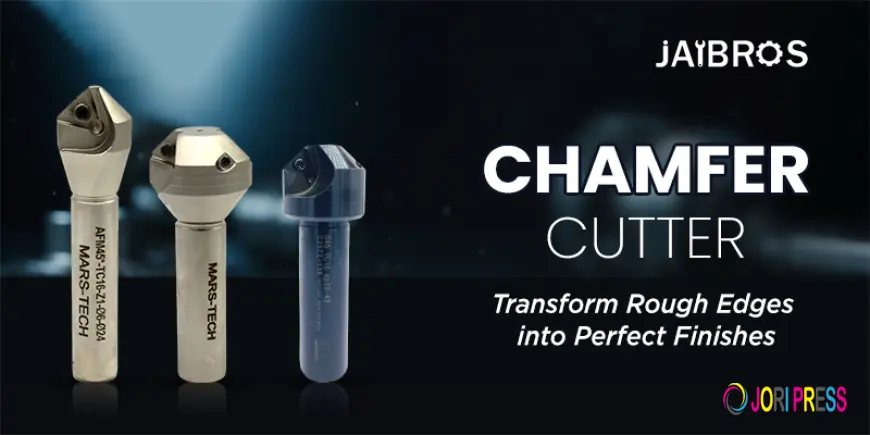
One of the most valuable tools used for edge preparation is a chamfer tool. This tool helps create bevelled edges, remove burrs, improve assembly performance, and enhance the overall appearance of machined components. Despite its importance, many manufacturers underestimate the impact that quality chamfering can have on production efficiency and finished product quality.
A properly selected tool can improve machining accuracy, reduce rework, extend tool life, and help manufacturers maintain consistent quality standards. This article explores why every machine shop should invest in quality chamfering solutions and how they contribute to better manufacturing outcomes.
What Is a Chamfer Tool?
A chamfering operation involves cutting away a sharp edge to create an angled surface between two faces of a component. This process is commonly performed on holes, external edges, and machined surfaces.
The primary purpose of a chamfer tool is to:
-
Remove sharp edges
-
Eliminate burrs
-
Improve safety
-
Enhance product appearance
-
Simplify assembly operations
By creating smooth and consistent edges, manufacturers can improve both functionality and aesthetics.
The Importance of Edge Finishing in Manufacturing
Edge finishing is often one of the final machining operations before inspection and assembly. Poorly finished edges can lead to several problems, including:
-
Difficult assembly
-
Premature component wear
-
Safety hazards
-
Reduced product quality
-
Increased rejection rates
A high-quality chamfer tool ensures that every component receives a consistent finish, reducing the likelihood of costly production issues.
Why Machine Shops Should Invest in Quality Chamfering Solutions
Improved Part Quality
Precision manufacturing requires consistent dimensional accuracy and clean surface finishes. Proper edge preparation helps ensure that machined parts meet design specifications and customer expectations.
Using a reliable chamfer tool improves edge consistency and helps produce components with a professional finish.
Reduced Burr Formation
Burrs are unwanted material projections that remain after machining operations. They can interfere with assembly, damage mating components, and create safety concerns.
A high-quality chamfering tool effectively removes burrs and prepares components for further processing or final use.
Better Assembly Performance
Many mechanical assemblies require components to fit together with minimal resistance. Sharp edges often create assembly challenges, especially in precision applications.
Proper chamfering allows parts to align more easily and improves assembly efficiency.
Enhanced Operator Safety
Sharp metal edges pose a risk to machine operators, assembly technicians, and end users. Chamfered edges reduce the likelihood of cuts and injuries while handling machined parts.
The Role of CNC Technology in Chamfering
Modern machine shops rely heavily on CNC equipment to achieve accuracy and repeatability. Integrating chamfering operations into CNC programmes improves production consistency and reduces manual labor.
A chamfer tool cnc setup allows manufacturers to:
-
Maintain uniform chamfer dimensions
-
Improve repeatability
-
Reduce setup time
-
Increase productivity
-
Minimize human error
Automated chamfering processes help machine shops meet demanding production requirements while maintaining high-quality standards.
Applications Across Different Industries
Chamfering is used in a wide variety of industries because nearly every machined component benefits from edge preparation.
Automotive Manufacturing
Automotive parts require accurate dimensions and smooth edges to ensure proper assembly and reliable performance.
Aerospace Components
Aircraft components must meet strict quality standards. Proper chamfering helps improve fit, reduce stress concentrations, and enhance component reliability.
Medical Equipment
Medical devices often contain precision-machined parts where burr-free edges are critical for safety and performance.
Industrial Machinery
Heavy equipment manufacturers use chamfering operations to improve assembly efficiency and reduce wear on mating components.
Back Chamfering for Complex Components
Some components contain holes or internal features that require edge finishing in hard-to-reach areas. In these situations, a back chamfer tool provides an effective solution.
Back chamfering is commonly used for:
-
Hydraulic manifolds
-
Valve bodies
-
Aerospace housings
-
Precision machined blocks
This specialized tooling allows manufacturers to create accurate chamfers without additional setups or manual finishing operations.
Chamfering on Lathes
Chamfering is not limited to milling machines. A chamfer tool lathe configuration is frequently used during turning operations.
Benefits of lathe chamfering include:
-
Improved thread entry
-
Better component appearance
-
Reduced burr formation
-
Faster production cycles
-
Improved dimensional consistency
Integrating chamfering into turning operations helps eliminate secondary finishing processes and increases efficiency.
How Quality Tools Improve Productivity
Tool quality directly affects machining performance. Inferior tools often wear quickly, generate poor surface finishes, and require frequent replacement.
Premium tooling offers several advantages:
Longer Tool Life
High-quality materials and coatings help resist wear and maintain cutting performance.
Reduced Downtime
Reliable tooling minimizes unexpected failures and production interruptions.
Consistent Results
Quality tools produce uniform chamfers across large production runs.
Lower Operating Costs
Although premium tools may have a higher upfront cost, they often reduce overall production expenses through improved efficiency.
Common Chamfering Challenges
Even experienced manufacturers can encounter challenges during chamfering operations.
Incorrect Tool Selection
Using the wrong geometry can result in poor edge quality and reduced tool life.
Improper Cutting Parameters
Excessive speeds or feeds may cause chatter, poor surface finish, and accelerated wear.
Tool Wear
Worn cutting edges reduce accuracy and create inconsistent chamfers.
Machine Instability
Poor fixturing or machine vibration can negatively impact chamfer quality.
Understanding these challenges allows machine shops to optimize their processes and improve results.
Best Practices for Successful Chamfering
To maximize productivity and quality, manufacturers should follow these best practices:
Select the Correct Tool Geometry
Choose tooling that matches the material, chamfer angle, and application requirements.
Monitor Tool Condition
Inspect tooling regularly and replace worn tools before quality declines.
Optimize Cutting Parameters
Use recommended speeds and feeds based on the material being machined.
Maintain Machine Stability
Ensure proper workholding and tool clamping for consistent performance.
Standardize Processes
Document machining parameters and inspection procedures to maintain repeatability.
Future of Chamfering Technology
Manufacturing technology continues to evolve, and chamfering operations are becoming more advanced.
Emerging trends include:
-
Smart tooling systems
-
Automated wear monitoring
-
Advanced carbide coatings
-
Integrated CNC process optimization
-
Industry 4.0 connectivity
These innovations will help manufacturers achieve greater efficiency, accuracy, and productivity in the coming years.
Conclusion
A quality chamfer tool is far more than a simple finishing accessory. It plays a critical role in improving product quality, reducing burrs, enhancing safety, and increasing manufacturing efficiency. Whether used in standard machining operations, advanced CNC environments, or specialized applications requiring a back chamfer tool, proper chamfering contributes significantly to overall production success.
Machine shops that invest in reliable tooling solutions can improve consistency, reduce downtime, and deliver superior finished components. From traditional machining operations to advanced chamfer tool cnc applications and chamfer tool lathe setups, effective edge preparation remains an essential part of modern manufacturing.
At Jaibros, we understand the importance of precision tooling in today's manufacturing environment. Our high-quality CNC tools are designed to deliver durability, accuracy, and consistent performance across a wide range of machining applications. By providing reliable tooling solutions, Jaibros helps manufacturers improve productivity, maintain quality standards, and achieve long-term operational success.
FAQs
1. Why is chamfering important in machining?
Chamfering removes sharp edges, improves safety, enhances assembly performance, and creates a better surface finish.
2. What is the purpose of a back chamfer tool?
It is used to create chamfers on the backside of holes and internal features that are difficult to access with standard tools.
3. Can chamfering be performed on a lathe?
Yes. A chamfer tool lathe setup is commonly used during turning operations to prepare edges and improve part quality.
4. How does CNC chamfering improve productivity?
A chamfer tool cnc process provides consistent results, reduces manual work, and increases production efficiency.
5. How do I choose the right chamfering tool?
Consider factors such as material type, chamfer angle, machine compatibility, coating, and production requirements when selecting tooling.
What's Your Reaction?
 Like
0
Like
0
 Dislike
0
Dislike
0
 Love
0
Love
0
 Funny
0
Funny
0
 Angry
0
Angry
0
 Sad
0
Sad
0
 Wow
0
Wow
0