







































Why Every Commercial Building Project Needs Integrated Architecture, Structural, and MEP Design

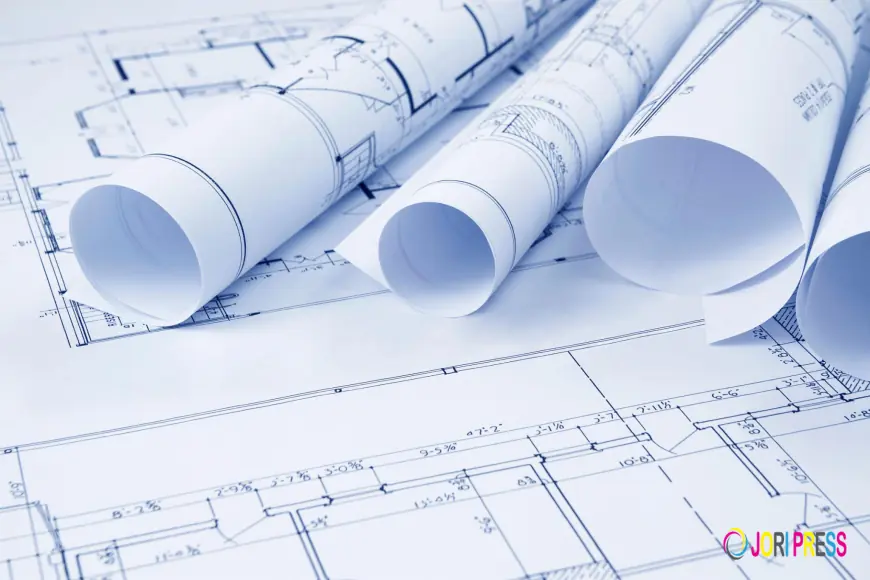
Commercial building projects are becoming increasingly complex. From office buildings and retail developments to industrial facilities and institutional projects, successful construction requires more than individual design disciplines working independently. Architecture, structural engineering, and MEP (Mechanical, Electrical, and Plumbing) engineering must work together from the earliest stages of a project to achieve efficient, coordinated, and buildable outcomes.
An integrated design approach helps project stakeholders minimize design conflicts, improve coordination, and support smoother project execution. For developers, architects, contractors, and facility owners, this collaboration is an essential part of delivering projects that meet functional, technical, and operational requirements.
Understanding the Three Core Disciplines
Every commercial building relies on three major engineering components.
Architecture
Architectural design focuses on space planning, building functionality, aesthetics, user experience, and compliance with project requirements. Architects transform project goals into practical layouts that support occupants and intended building operations.
Structural Engineering
Structural engineering ensures that buildings are safe, stable, and capable of supporting loads throughout their lifecycle. Structural systems must align with architectural requirements while accommodating mechanical and utility systems within the building framework.
MEP Engineering
MEP engineering covers the mechanical, electrical, plumbing, and associated building services required for occupant comfort, safety, and building functionality. HVAC systems, electrical distribution, plumbing networks, and fire protection systems all play a critical role in commercial developments.
While each discipline serves a different purpose, the success of a project depends on how effectively they are coordinated.
The Challenges of Isolated Design Processes
When architecture, structural engineering, and MEP design are developed independently, coordination issues often emerge during later project stages.
Architectural layouts may require modifications to accommodate structural elements. Structural components can interfere with building service routes. Mechanical and electrical systems may compete for limited space within ceilings, shafts, and utility zones.
These challenges can lead to:
-
Design revisions
-
Coordination delays
-
Construction difficulties
-
Increased project costs
-
Reduced project efficiency
For commercial projects with demanding schedules and budgets, resolving these issues during construction can be significantly more challenging than addressing them during design development.
Why Integrated Design Creates Better Project Outcomes
An integrated design approach allows all disciplines to collaborate throughout the project lifecycle.
Architects, structural engineers, and MEP specialists work together to ensure that building systems are coordinated from the beginning. This collaboration helps identify potential conflicts early and supports more informed design decisions.
Key benefits include:
Improved Design Coordination
Integrated teams can review building requirements collectively, ensuring that architectural concepts, structural systems, and building services function together effectively.
Enhanced Project Efficiency
When design disciplines are aligned, project documentation becomes more coordinated, reducing the likelihood of conflicting information and minimizing revisions.
Better Space Utilization
Commercial buildings often have limited space available for structural and building service systems. Integrated planning helps optimize the use of available space while maintaining functionality and performance.
Reduced Design Conflicts
Early coordination helps identify clashes between structural elements and building services before construction begins, supporting smoother project delivery.
The Role of BIM in Integrated Design
Building Information Modeling (BIM) has become an important tool in modern architecture and engineering projects.
BIM enables multiple disciplines to work within a coordinated digital environment, improving collaboration and visibility across project teams.
Through BIM workflows, architects, structural engineers, and MEP professionals can develop coordinated models that help support design accuracy and project planning.
Benefits of BIM-supported integration include:
-
Better multidisciplinary coordination
-
Improved design visualization
-
Enhanced collaboration
-
More efficient project workflows
-
Reduced coordination challenges
For complex commercial developments, BIM supports a more connected and collaborative design process.
Supporting Long-Term Building Performance
Integrated design is not only about construction efficiency. It also contributes to long-term building performance.
Well-coordinated architectural, structural, and MEP systems help create facilities that are functional, maintainable, and aligned with operational requirements. Building owners and facility managers benefit from designs that consider the interaction between building systems from the earliest stages of development.
This coordinated approach supports better project outcomes throughout the building lifecycle.
Conclusion
As commercial building projects continue to grow in complexity, integrated architecture, structural engineering, and MEP design have become essential for successful project delivery. Coordinated planning improves collaboration, supports efficient project execution, and helps reduce design conflicts before construction begins.
For developers, architects, contractors, and building owners seeking comprehensive architecture and engineering solutions, working with multidisciplinary teams can provide significant project advantages. Conserve Solutions delivers integrated Architecture, Structural Engineering, MEP Engineering, BIM, and related engineering support services that help commercial projects move from concept to completion through a coordinated and collaborative design approach.
What's Your Reaction?
 Like
0
Like
0
 Dislike
0
Dislike
0
 Love
0
Love
0
 Funny
0
Funny
0
 Angry
0
Angry
0
 Sad
0
Sad
0
 Wow
0
Wow
0