

































Why Are SAP Fiori Elements Considered a Low-Code Approach?
Learn why SAP Fiori Elements are considered a low-code approach, reducing UI coding effort through metadata, standard floorplans, and SAP Fiori design principles. https://geschaftindia.com/sap-fiori-elements-where-ux-simplicity-meets-enterprise-power/

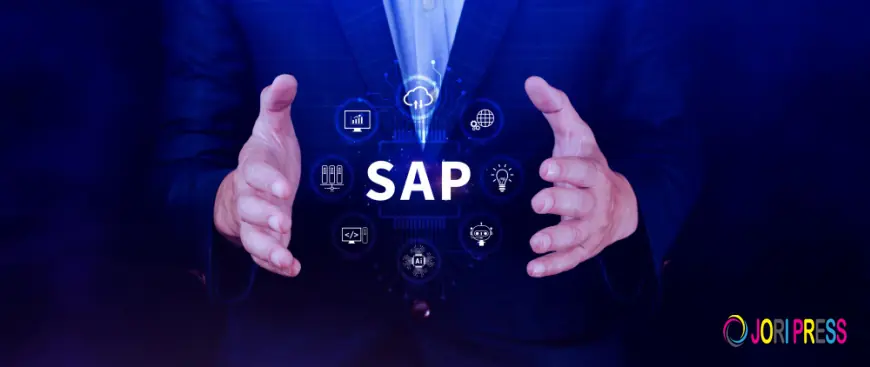
The term low-code is often overused. In many platforms, it simply means visual tools layered on top of complex systems. SAP Fiori Elements is different. It earns the low-code label not because it hides complexity, but because it eliminates repetitive work that teams have been doing manually for years.
In real SAP projects, the biggest drain on time and cost is not business logic. It is UI plumbing. Layouts, tables, filters, navigation, responsiveness, and consistency. SAP Fiori Elements removes most of this work through a metadata-driven approach.
This SAP Fiori guide explains why SAP Fiori Elements is considered a low-code approach and what that actually means in real SAP landscapes.
Low-Code in the Context of SAP Development
Low-code in SAP does not mean no code.
SAP systems still require:
-
Strong data modeling
-
Clear business logic
-
Robust security and authorization
-
Performance-aware design
What SAP Fiori Elements reduces is the amount of custom UI code needed to turn these elements into usable applications.
Instead of writing hundreds of lines of SAPUI5 code for every screen, teams describe intent through metadata. The framework handles the rest.
That shift is what makes SAP Fiori Elements genuinely low-code.
Metadata-Driven UI Generation
The core reason SAP Fiori Elements is considered low-code is its reliance on metadata.
Developers define:
-
CDS views for data structure
-
Annotations for UI behavior and layout
-
Standard floorplans for interaction patterns
SAP Fiori Elements then generates:
-
Lists and tables
-
Filter bars
-
Object pages
-
Navigation logic
-
Responsive layouts
All of this happens without manual UI coding.
From an SAP Fiori consultant perspective, this eliminates the most time-consuming part of application development.
Standard Floorplans Replace Custom Layout Coding
In traditional SAPUI5 development, every screen layout is built manually.
SAP Fiori Elements replaces this with standard floorplans such as:
-
List Report
-
Object Page
-
Analytical List Page
-
Overview Page
These floorplans already follow SAP Fiori design principles.
Because layouts are predefined, teams no longer need to:
-
Design screen structures repeatedly
-
Decide placement for common elements
-
Implement responsiveness for each app
This dramatically reduces development effort and variability across apps.
Annotations Instead of Frontend Logic
In low-code approaches, behavior is defined declaratively rather than procedurally.
SAP Fiori Elements achieves this through annotations.
Annotations describe:
-
Which fields appear where
-
Which filters are available
-
How actions behave
-
What is important for the user
Instead of writing UI logic to control these behaviors, teams declare them once in metadata.
The framework interprets these annotations consistently across applications.
This is a fundamental low-code characteristic.
Built-In Compliance With SAP Fiori Design Principles
Ensuring consistent user experience is usually expensive.
SAP Fiori Elements enforces SAP Fiori design principles automatically:
-
Role-based access
-
Consistent navigation
-
Responsive design
-
Predictable interaction patterns
Teams do not need to code these behaviors manually.
This removes a large amount of UX-related rework, which is one of the biggest hidden costs in SAP projects.
Reduced Dependency on Frontend Specialists
Traditional SAPUI5 development depends heavily on skilled frontend developers.
SAP Fiori Elements shifts most effort to backend modeling, where SAP teams are typically stronger and easier to scale.
From a project perspective, this:
-
Lowers dependency on niche UI skills
-
Improves team flexibility
-
Reduces onboarding effort
This is another reason SAP Fiori Elements fits the low-code definition in enterprise environments.
Faster Prototyping and Iteration
Low-code approaches are often valued for speed.
SAP Fiori Elements allows teams to:
-
Generate working apps early
-
Adjust annotations quickly
-
Validate with business users sooner
Because changes are made in metadata rather than UI code, iterations are faster and safer.
This accelerates feedback cycles and reduces late-stage changes.
Low-Code Does Not Mean No Architecture
One important clarification.
SAP Fiori Elements being low-code does not mean it removes the need for good architecture.
In fact, it increases the importance of:
-
Clean CDS modeling
-
Clear separation of concerns
-
Thoughtful annotation design
-
Governance standards
Teams that misunderstand this often struggle. Low-code simplifies execution, not thinking.
SAP Fiori Dashboards as a Low-Code Example
SAP Fiori dashboards are a strong example of the low-code nature of SAP Fiori Elements.
Using analytical CDS views and standard floorplans, teams can deliver dashboards that:
-
Display KPIs
-
Support filtering and drill-down
-
Link directly to transactions
All of this happens with minimal custom UI development.
This is significantly faster and cheaper than building custom dashboard applications.
Limitations of the Low-Code Approach
Low-code also implies boundaries.
SAP Fiori Elements is less suitable when:
-
Highly custom user journeys are required
-
Fine-grained UI control is critical
-
Visual differentiation is a priority
In these cases, freestyle SAPUI5 development offers more flexibility.
Understanding this limitation is part of using low-code approaches responsibly.
Role of an SAP Fiori Consultant in Low-Code Adoption
Low-code frameworks amplify both good and bad decisions.
An experienced SAP Fiori consultant helps teams:
-
Choose the right use cases
-
Avoid over-customization
-
Apply SAP Fiori design principles correctly
-
Balance low-code speed with long-term maintainability
This guidance ensures that low-code becomes an advantage rather than a constraint.
Final Perspective
SAP Fiori Elements is considered a low-code approach because it removes repetitive UI coding and replaces it with declarative, metadata-driven design.
It allows teams to:
-
Build applications faster
-
Reduce development effort
-
Maintain consistency at scale
-
Lower long-term cost
Low-code here does not mean simplistic. It means focused.
When used correctly, SAP Fiori Elements lets SAP teams spend less time building screens and more time delivering real business value.
That is the real promise of low-code in the SAP world.
What's Your Reaction?
 Like
0
Like
0
 Dislike
0
Dislike
0
 Love
0
Love
0
 Funny
0
Funny
0
 Angry
0
Angry
0
 Sad
0
Sad
0
 Wow
0
Wow
0