








































Why Are Compact Reels Becoming Popular for Bass Fishing, and What Should Anglers Know?
Targeting bass in heavy cover requires a high maximum drag, a high gear ratio, and a solid frame to prevent structural flex under intense pressure. Pitching or flipping into thick vegetation, submerged timber, or heavy weed mats leaves zero room for error. When a big fish strikes, you need immediate leverage to stop them before they wrap your line around roots. Using good reels for bass fishing equipped with strong carbon fiber drag stacks and rigid aluminum housings ensures you win those tough battles every single time.
Why Does Heavy Cover Put Extreme Stress on Your Tackle?
Fishing in thick brush or heavy matted grass tests your equipment to its absolute limits. Standard freshwater setups often fail under this intense stress. When you hook a bass in open water, the fish can run freely while your drag slips smoothly. In contrast, heavy cover forces you to lock down your drag completely.
Every pound of pressure transfers directly through your rod, line, and reel chassis. If your frame flexes even slightly, the internal gears shift out of alignment. This mechanical flex causes binding, gear damage, and lost fish. Therefore, selecting specialized equipment designed for heavy cover is essential for successful landings.
Essential Features for Heavy Cover Baitcasting Reels
Baitcasting setups are the traditional workhorses for pitching jigs and flipping heavy creature baits into tight cover pockets.
Rigid Metal Frame Construction
Look for reels featuring single-piece aluminum or high-grade magnesium frames. Solid frames eliminate body twist under high torque, keeping drive gears perfectly meshed when pulling big bass.
Carbon Fiber Drag Systems
Heavy cover demands a minimum drag capacity of 15 to 20 pounds. Sealed carbon fiber washers provide maximum stopping power without sticking, slipping, or burning under pressure.
High Gear Ratio for Rapid Line Retrieval
Speed is crucial when turning a fish's head away from danger. High gear ratios like 7.1:1, 8.1:1, or even 10.1:1 let you pick up slack line instantly.
-
High retrieval speeds allow you to collect loose line fast right after a strike.
-
Fast gears help you burn your lure back to make another pitch quickly.
-
Quick line pickup keeps continuous pressure on hard-fighting fish.
Deep Spool Capacity for Heavy Lines
Pitching into nasty cover requires thick 50-pound to 65-pound braided line or 20-pound fluorocarbon. Deep, lightweight spools hold enough heavy-diameter line without binding or digging into lower layers.
Selecting Spinning Reels for Heavy Vegetation
While baitcasters dominate flipping tactics, many anglers prefer spinning gear for finesse applications around cover edges. Finding top bass spinning reels capable of handling thick brush requires looking for specific heavy-duty specs. Choose spinning models with oversized drive gears and rigid aluminum bodies. A strong metal stem prevents the reel arm from flexing toward the rod blank when pulling hard against heavy cover.
Additionally, pay close attention to line roller assemblies. Heavy braided line exerts massive friction on line rollers, so dual-bearing rollers are a must for smooth operation. Pairing a 3000 or 4000-size spinning model with heavy braided line gives you a powerful finesse tool for thick cover situations.
How Does Line Choice Interact with Reel Performance?
Your choice of fishing line works directly with your reel mechanics to haul fish out of dense cover. Braided line offers zero stretch, delivering maximum hook-setting power through thick vegetation. It acts like a saw blade, cutting through pad stems and soft grass easily.
Fluorocarbon provides superior abrasion resistance against sharp rocks and standing wood. However, thick fluorocarbon has stiffer memory. Ensure your spool features an anti-slip band or backing when spooling braid to prevent the entire line package from spinning freely around the spool core.
Maintenance Tips for Heavy-Duty Bass Reels
Heavy cover fishing subjects your gear to extreme pressure, water spray, dirt, and plant debris. Regular care preserves your investment and ensures smooth operation.
-
Clean weed particles, algae, and dirt off the spool and guide pawl after every trip.
-
Inspect the line guide for small grooves cut by heavy braided line over time.
-
Flush main bearings with dedicated solvents to remove trapped silt and grit.
-
Apply heavy-duty synthetic grease to main drive gears to prevent wear under high loads.
-
Back off the drag star completely during storage to preserve drag washer thickness.
Routine maintenance prevents gear failure when setting the hook on the fish of a lifetime.
Final Remarks
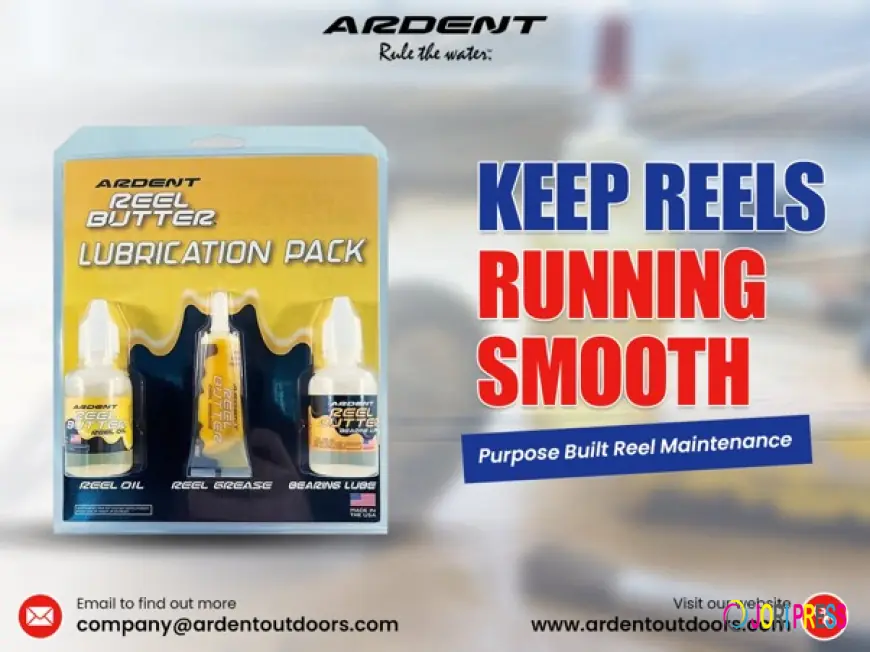
Conquering thick grass mats, submerged brush, and heavy timber requires purpose-built tackle that will not fail under load. Equipping your rod with a high-gear, strong-drag setup gives you the raw leverage needed to haul monster bass into the boat. Reliable equipment converts difficult bites into memorable catches season after season. Trusted tackle manufacturers like Ardent build dependable gear and specialized maintenance products designed to keep your setups running smoothly through the toughest fishing conditions.
What's Your Reaction?
 Like
0
Like
0
 Dislike
0
Dislike
0
 Love
0
Love
0
 Funny
0
Funny
0
 Angry
0
Angry
0
 Sad
0
Sad
0
 Wow
0
Wow
0