







































What Happens During a Shingle Roof Replacement? A Day-by-Day Timeline
Learn what happens during a shingle roof replacement with this day by day timeline. Discover each stage of the process and know what to expect from start to finish.
If you've never gone through a roof replacement before, the whole thing can feel like a mystery. One day you have an old, worn-out roof, and a few days later there's a brand new one over your head. But what actually happens in between? How does a crew turn a tired, leaking shingles roof into something that'll protect your home for the next 20 to 30 years?
We get asked this question a lot at Roofing419, and honestly, it's a fair thing to want to know. You're letting a crew of people work on top of your house for a couple of days, and you deserve to understand what's happening up there, why it matters, and what to expect at each stage. So let's walk through it together, day by day, the way it typically plays out on a real job site.
Before Day One: The Planning Stage
Before any shingles come off, there's prep work that happens behind the scenes. This is where a free inspection comes in. A good roofer will climb up, check your decking, look at your ventilation, measure the roof, and figure out exactly what materials you'll need.
This is also when you'll get a real number for what the job will cost. Roof shingles cost can swing quite a bit depending on the pitch of your roof, the size of your home, the shingle brand you pick, and whether your decking needs any repairs. If you've been putting off getting quotes because you're worried about sticker shock, it's worth asking about financing options too, since most homeowners don't pay for a full roof out of pocket in one lump sum.
Once you've picked your contractor and signed off on the plan, materials get ordered, permits get pulled if your city requires them, and a start date gets scheduled. Weather plays a role here too. Nobody wants to tear off a roof the day before a storm rolls in.
Day One: Delivery and Tear-Off
The first day is usually the loudest and messiest, so consider this your heads-up.
Material Delivery Early in the morning, a delivery truck usually drops a pallet of shingles somewhere in your driveway or yard. This isn't a small stack either. Roofers order in bundles, and it helps to understand how many square feet in a shingle bundle you're actually getting. Most standard three-tab or architectural shingle bundles cover about 33 square feet, and it typically takes three bundles to cover one "square" of roofing, which equals 100 square feet. So if you have a 2,000 square foot roof, you're looking at around 60 bundles. That's why the delivery pallet looks massive when it shows up.
Tear-Off Begins Once materials are on site, the crew gets to work stripping off your old shingles, underlayment, and any damaged flashing. This part is physical, dusty, and yes, a little noisy. Expect to hear a lot of footsteps and the sound of pry bars and shingle rippers pulling up old material. If you have pets, this is a good day to keep them somewhere quiet inside the house.
A reputable crew will also protect your landscaping and gutters during this stage, using tarps around the base of the house to catch falling debris. This matters more than people realize. A messy tear-off means nails in your yard for weeks afterward, which is not something you want to deal with barefoot in the summer.
Day One or Two: Deck Inspection and Repairs
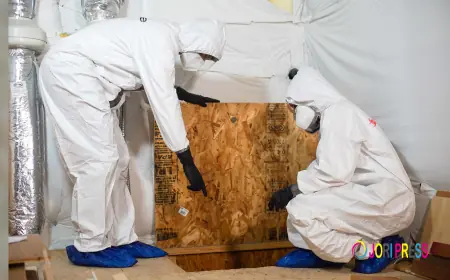
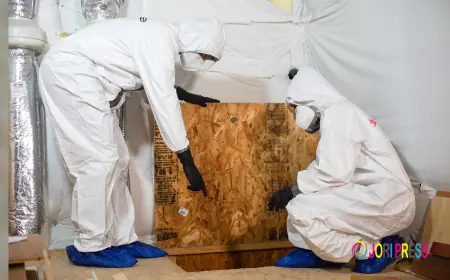
Once the old shingles are gone, the crew can finally see what's underneath, your roof deck. This is the plywood or OSB board that everything else gets attached to, and it's honestly one of the most important parts of the whole project.
If the decking is soft, rotted, or water damaged, those sections need to be cut out and replaced before anything new goes on. Skipping this step is how you end up with a roof that looks fine on the outside but fails from the inside out within a few years. This is also the point where a contractor might catch problems that a simple shingle repair never would have revealed, since patch jobs only address the surface and not what's happening underneath.
Not every roof needs deck repairs, but if yours does, this is normal and it's better to find out now than after the new shingles are down.
Day Two: Underlayment, Flashing, and Ice and Water Barrier
With a solid deck in place, the crew starts layering in the protective materials that most people never think about but that do a lot of the heavy lifting.
- Ice and water shield goes down along the eaves, valleys, and around any roof penetrations like chimneys or skylights. This rubberized membrane is your backup line of defense against leaks in the areas most prone to water pooling and ice damming.
- Synthetic underlayment covers the rest of the roof, acting as a secondary water barrier beneath the shingles.
- Flashing gets installed or replaced around chimneys, vents, skylights, and where the roof meets walls. Flashing is one of the most common failure points on older roofs, so new flashing here makes a real difference in how leak-resistant your new roof will be.
Drip edge also gets installed along the roof's edges at this stage, which helps direct water away from the fascia and into your gutters instead of behind them.
Day Two or Three: Shingle Installation
This is the part everyone's been waiting for, when your new roof actually starts to take shape.
Shingles go on starting from the bottom edge and working upward, with each row overlapping the one below it. Your roofer will use a nailing pattern that matches the manufacturer's specifications, since improper nailing is one of the biggest reasons shingles fail early or blow off in a storm.
If you're upgrading materials, this is also where you'd notice the difference between a basic three-tab shingle and a heavier architectural shingle, or even a switch to something like metal roofing if that's the direction you went during planning. Most homeowners in our area stick with asphalt shingles because of the balance between durability and new roof cost, but it's worth knowing your options exist.
Ridge vents typically go in near the end of this stage, running along the peak of the roof to help with attic ventilation. Proper airflow up there isn't just a nice-to-have, it actually extends the life of your shingles by preventing heat and moisture buildup underneath them.
Day Three: Ridge Caps and Finishing Touches
Once the field shingles are down, the crew installs ridge cap shingles along the peaks and hips of the roof. These are specially shaped to bend over the ridge line and give your roof that clean, finished look while sealing out water at the very top.
Any pipe boots, vent covers, or exposed nail heads get sealed at this point too. A careful crew will walk the entire roof at this stage checking for anything that got missed, loose shingles, exposed nails, gaps in the sealant, that kind of thing.
Final Day: Cleanup and Walkthrough
This is the day that matters more than people expect. A roof replacement creates a lot of debris, and a professional crew doesn't just leave it in your yard.
Magnetic Sweep Roofers run a magnetic roller across your entire yard and driveway to pick up stray nails. Missing this step means you or your kids finding nails in the grass for months, sometimes in bare feet or bike tires. This is honestly one of the easiest ways to tell a professional crew from a sloppy one.
Debris Removal Old shingles, underlayment, and any wood scraps get loaded up and hauled away. Your dumpster or trailer should be gone by the end of the day, and your property should look the way it did before the crew arrived, minus the old roof.
Final Walkthrough Your contractor should walk the property with you, point out the work that was done, and answer any questions. This is your chance to ask about your warranty coverage, both on materials and workmanship, and to get any paperwork you'll need for insurance or resale purposes down the road.
If your project involved storm damage, this is also when your contractor should help finalize any documentation needed for insurance claims, so you're not left chasing paperwork on your own.
How Long Does the Whole Process Actually Take?
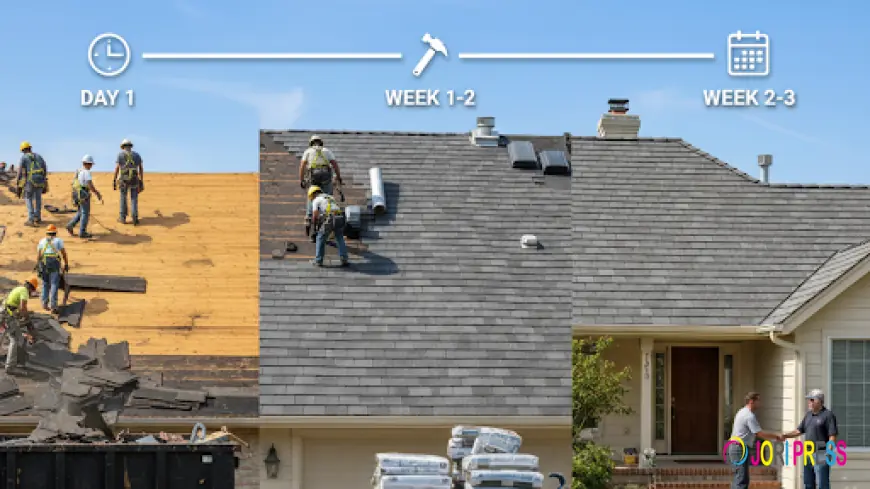
For an average sized single-family home, most shingle roof replacements take between one and three days from tear-off to cleanup, assuming decent weather and no major deck repairs. Larger homes, steep rooflines, or roofs with a lot of valleys and dormers can stretch that out a bit. Weather delays are the most common reason a job takes longer than planned, since roofing crews won't install shingles in the rain or in extreme wind.
At Roofing419, we walk homeowners through the expected timeline before work ever starts, so there aren't surprises halfway through the project. We've handled roofs across Toledo, Perrysburg, Bowling Green, Findlay, Ann Arbor, Monroe, and Adrian, and every roof is a little different, but the general process stays consistent.
What You Can Do to Prepare
A little prep on your end makes the whole thing go smoother:
- Move vehicles out of the driveway so the delivery truck and dumpster have room
- Take down wall art or anything fragile that hangs on interior walls, since the hammering can cause vibration
- Keep pets inside or somewhere calm during the loudest parts of tear-off
- Cover any patio furniture or outdoor items near the house
None of this is complicated, but it saves everyone a headache once the work gets underway.
FAQs About Shingle Roof Replacement
How many days does a roof replacement usually take? Most residential shingle roofs take one to three days depending on size, roof complexity, and weather conditions.
Will I hear a lot of noise during the process? Yes. Tear-off day is the loudest, with pry bars and hammering. Installation day is generally quieter but still involves nail guns and foot traffic on the roof.
Do I need to be home during the roof replacement? Not necessarily, but it's a good idea to be reachable by phone in case the crew has questions or finds something unexpected, like deck damage.
How much does a new roof cost? It depends on the size of your roof, the material you choose, and the condition of your existing decking. The best way to get an accurate number is through a free inspection and quote rather than a rough online estimate.
Can I stay in my house during the replacement? Absolutely. Most homeowners stay home the entire time. It's noisy, but it's safe as long as you keep some distance from ladders and work zones.
What happens if it rains during the project? A good crew will only tear off as much roof as they can cover with new material or tarps by the end of the day, so your home stays protected even if weather rolls in unexpectedly.
Is a shingle repair ever a better option than a full replacement? Sometimes, yes. If the damage is limited to one section and the rest of the roof is in good shape, a repair might make more sense. A contractor can tell you honestly which route fits your situation during an inspection.
Final Thoughts
A shingle roof replacement isn't just about slapping new material on top of your house. It's a process, deck inspection, underlayment, flashing, shingle installation, and cleanup, and each step matters for how long that roof is going to last you. Knowing what to expect day by day takes a lot of the stress out of the project.
If you're in the Toledo area and thinking about replacing your roof, Roofing419 has been doing this work for homeowners across the region for years, and we're happy to walk you through your specific project before you commit to anything. You can check out our past projects or customer reviews to see how other homeowners' projects turned out, or just reach out for a straightforward, no-pressure inspection.
What's Your Reaction?
 Like
0
Like
0
 Dislike
0
Dislike
0
 Love
0
Love
0
 Funny
0
Funny
0
 Angry
0
Angry
0
 Sad
0
Sad
0
 Wow
0
Wow
0