








































Wedding Event Planner in Pakistan | Luxury Wedding Planning Services
Looking for the best wedding event planner in Pakistan? Discover expert wedding planning services for Mehndi, Nikah, Barat, Walima, destination weddings, décor, catering, and complete event management.

Wedding Event Planner in Pakistan: Your Complete Guide
A wedding event planner in Pakistan coordinates every element of your wedding—from Mehndi and Barat to venue selection, décor, catering, and photography. Professional wedding planners in Pakistan help couples manage multi-day celebrations efficiently, reducing stress while delivering a polished, memorable experience within budget.
Pakistani weddings are elaborate, multi-day affairs that blend deep cultural tradition with modern elegance. From the intimate, turmeric-dusted Haldi ceremony to the grand procession of Barat, each event carries its own significance—and its own logistical demands. Coordinating all of these moving parts is no small feat, especially when you're also managing family expectations, vendor negotiations, and last-minute changes.
That's where a professional wedding event planner in Pakistan becomes indispensable. The right planner doesn't just manage vendors; they transform your vision into a cohesive, stress-free celebration. They keep timelines on track, resolve conflicts before they escalate, and ensure every ceremony feels intentional rather than improvised. This guide covers everything you need to know—from understanding Pakistan's key wedding events to budgeting, décor, photography, and choosing the best wedding planning company for your needs.
What Are the Major Wedding Events in Pakistan?
Pakistani weddings typically unfold across multiple ceremonies, each with distinct traditions and styling requirements. Unlike a single-day celebration, a Pakistani wedding can span anywhere from three days to over a week. Here's a detailed breakdown of each event a professional wedding coordinator in Pakistan will help you plan.
Mayun
The Mayun marks the official start of pre-wedding festivities. The bride is traditionally kept indoors, adorned with turmeric paste, and surrounded by close family. It's a quiet, joyful gathering meant to prepare the bride spiritually and emotionally for her new chapter. Décor is typically yellow and floral, keeping things intimate and warm. A planner helps source the right floral arrangements, coordinate family schedules, and ensure the space reflects the tender spirit of this ceremony.
Dholki
The Dholki is a music-filled gathering where family and friends sing traditional wedding songs accompanied by the beat of a dholak drum. It can span multiple evenings and is usually hosted at both the bride's and groom's homes. The Dholki sets a festive, jubilant tone for the celebrations ahead. Event management companies in Pakistan often assist with sound arrangements, seating, lighting, and light refreshments for these gatherings.
Haldi
Similar to Mayun in spirit, the Haldi ceremony involves applying turmeric paste to both the bride and groom for skin brightening and good fortune. This event is typically casual, colorful, and photographically vibrant. It's become one of the most Instagram-worthy events of the modern Pakistani wedding, with floral backdrops, yellow outfits, and bright, open-air settings. A wedding planner ensures the setup is ready on time and the photo opportunities are maximized.
Mehndi
One of the most visually striking events, the Mehndi ceremony is where intricate henna designs are applied to the bride's hands and feet by professional henna artists. Mehndi events are known for bold décor, live music or performances, dance routines, and elaborate stage setups—making them a centerpiece of wedding photography and videography. Guests typically dress in bright, festive colors. A professional wedding planner coordinates henna artists, stage construction, catering, and entertainment to ensure this night runs smoothly.
Nikah
The Nikah is the Islamic marriage contract and the most sacred event of the wedding. It can be held separately or combined with Barat. The ceremony typically involves the signing of the Nikkah Nama in the presence of witnesses, family, and a religious officiant. A professional wedding planner ensures this ceremony is dignified, organized, and beautifully presented—with appropriate seating arrangements, sound setup for the officiant, and a respectful atmosphere for guests.
Barat
Barat is the main wedding day—the groom's procession to the bride's venue. This is the grandest, most photographed event of the entire wedding. It requires meticulous coordination of décor, catering, lighting, guest management, bridal entry, and often a live band or DJ. Guest lists frequently exceed 500 people, and the margin for error is slim. An experienced wedding management company handles every logistical layer so the couple can be fully present in the moment.
Rukhsati
Rukhsati is the emotional farewell of the bride from her family home. It immediately follows the Barat and is one of the most sentimental moments of the entire celebration. While not a separate event requiring extensive planning, it demands sensitivity and timing precision. A skilled wedding coordinator ensures the transition is handled gracefully—without rushing what is often a deeply moving farewell.
Walima
Hosted by the groom's family the day after Barat, the Walima is a formal reception celebrating the marriage. It tends to be more structured and elegant than earlier events, with formal dining, refined décor, and a relaxed celebratory atmosphere. Many couples use the Walima as an opportunity to showcase a different aesthetic—lighter florals, neutral palettes, and understated luxury. A wedding planner manages all vendor coordination so the hosting family can focus on welcoming guests.
Engagement (Mangni)
The engagement ceremony formalizes the couple's commitment before the main wedding events begin. It can range from an intimate family gathering to a large hall event with hundreds of guests. It requires its own set of planning—décor, catering, photography, and often a ring exchange moment. Many couples work with a wedding planning company even at this early stage to set the right tone for the celebrations that follow.
Destination Weddings
Destination wedding planning in Pakistan is a growing trend among couples seeking something beyond the traditional banquet hall. Popular locations include Nathiagali, Murree, Hunza Valley, and heritage venues in Lahore. A destination wedding planner in Pakistan handles travel logistics, on-site vendor sourcing, accommodation arrangements for guests, and on-ground coordination—often managing multiple moving parts across different cities simultaneously.
How Do Wedding Planners in Pakistan Handle Venue Selection?
Venue selection is one of the earliest and most consequential decisions in Pakistani wedding planning. The right venue sets the tone for every event and determines what's logistically possible in terms of catering, décor, and guest experience.
The right venue depends on guest count, event type, city, and overall budget. Top-tier cities like Lahore, Karachi, and Islamabad offer a wide range of options—from grand banquet halls and luxury hotels to outdoor farmhouses and heritage properties. Smaller cities have their own local market, which a well-connected wedding planner will know how to navigate.
A professional wedding planner in Pakistan maintains existing relationships with venue managers, allowing for better rates, priority booking dates, and smoother communication. They also know which venues have hidden costs, unreliable backup power, or limited parking—details that can seriously affect your guest experience.
Key factors to evaluate include:
- Capacity — Can the space accommodate your full guest list comfortably, with room for a stage, dance floor, and catering stations?
- Location — Is it accessible for out-of-town guests, and is there adequate parking or valet service?
- Facilities — Does it offer in-house catering, a bridal suite, backup generators, and adequate washroom facilities?
- Ambiance — Does the architectural style and existing décor complement your wedding aesthetic?
- Flexibility — Will the management accommodate your external vendors, décor teams, and custom setup requirements?
Booking popular venues 9–12 months in advance is standard practice, particularly during the peak wedding season from October to March. Waiting too long often means settling for a second-choice venue—or paying a premium for late availability.
What Does Wedding Budgeting in Pakistan Typically Look Like?
Budget management is where a professional wedding planner delivers some of their greatest value. Pakistani weddings vary enormously in scale, from intimate Nikah ceremonies with 50 guests to multi-day luxury events attended by over a thousand people. Without a structured financial plan, costs can spiral quickly.
A wedding planning company helps you build a realistic budget from day one and allocate funds proportionally across each category:
- Venue: 25–35% of total budget
- Catering: 20–30%
- Photography & Videography: 10–15%
- Décor & Floral: 15–20%
- Bridal & Groom Attire: 10–15%
- Miscellaneous (invitations, transport, favors, hair and makeup): 5–10%
An experienced wedding organizer in Pakistan will negotiate vendor contracts on your behalf, identify where you can save without sacrificing quality, and help you redirect funds toward the elements that matter most to you. They also maintain contingency reserves—typically 5–10% of the total budget—for unexpected costs that almost always arise.
What Are the Latest Trends in Wedding Décor Services in Pakistan?
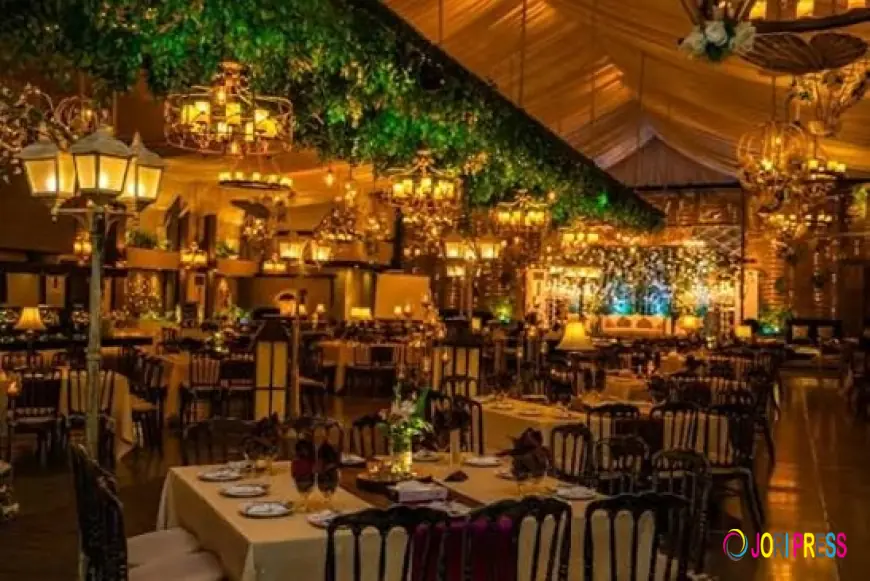
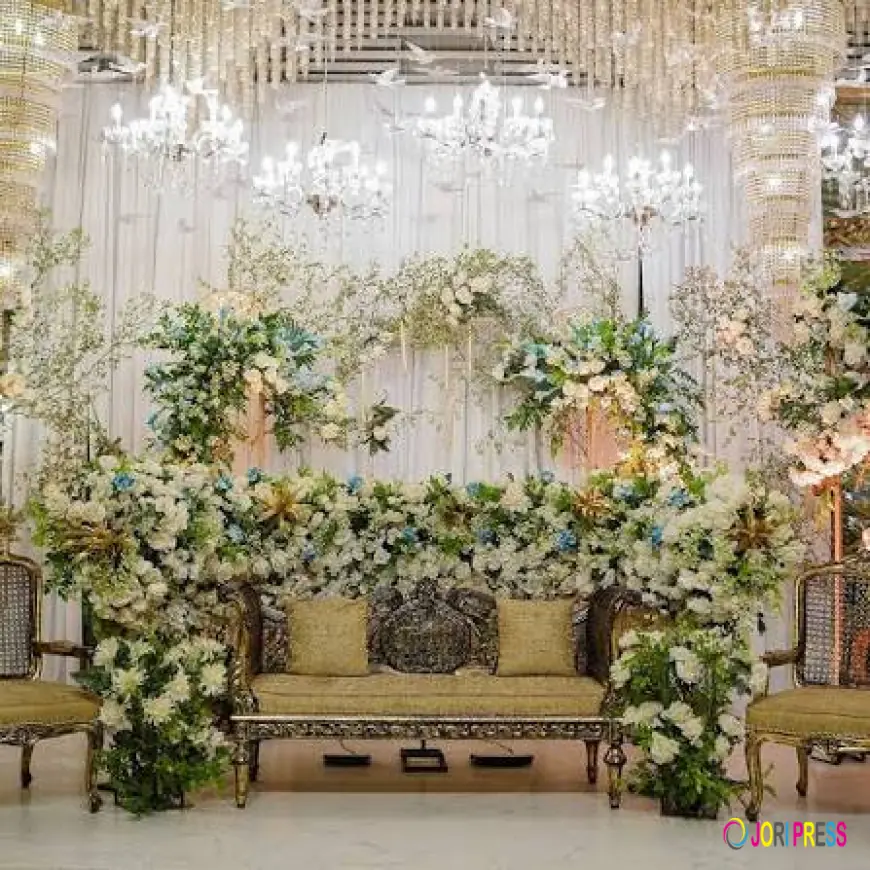
Wedding décor in Pakistan has evolved dramatically over the past decade. Today's couples blend traditional aesthetics—floral jhoolas, mogra garlands, and gota lace—with contemporary minimalism, cinematic stage designs, and immersive lighting installations.
Popular décor styles include:
- Floral immersion — ceiling-to-floor floral canopies, petal-strewn aisles, and suspended floral chandeliers
- Rustic luxe — warm wooden furniture, macramé accents, gold hardware, and soft ambient lighting
- Pastel palettes — soft mauves, dusty pinks, sage greens, and ivory replacing the heavy jewel tones of previous decades
- Branded experiences — custom neon signs with the couple's names, monogram projections, personalized photo op walls, and curated guest gift stations
A luxury wedding planner in Pakistan coordinates all décor vendors, oversees setup and breakdown timelines, and ensures the visual language remains consistent across all events—so your Mehndi, Barat, and Walima each feel distinct but cohesive as a collection.
How Should You Approach Catering for a Pakistani Wedding?
Catering is central to the Pakistani wedding experience. Hospitality is deeply embedded in the culture, and guests form lasting impressions based on the quality and generosity of the food served. A poorly managed catering operation—slow service, cold food, or insufficient quantities—can overshadow an otherwise beautiful event.
Most weddings offer a mix of traditional dishes such as biryani, karahi, nihari, seekh kebabs, and mutton chops, alongside lighter options and desserts like kheer, gulab jamun, zarda, and modern patisserie selections. Live cooking stations are increasingly popular, adding a dynamic, interactive element that guests enjoy.
A wedding management company vets catering vendors for food quality, portion consistency, presentation, hygiene compliance, and service efficiency. They also coordinate the timing of food service relative to program elements—ensuring guests aren't kept waiting and the buffet doesn't open before the couple has made their entrance.
What Should You Know About Wedding Photography in Pakistan?
Pakistani wedding photography has become a full creative industry of its own. Couples now invest in pre-wedding shoots at scenic locations, drone coverage, same-day edit reels screened at the Walima, and cinematic highlight films that tell the complete story of their celebrations.
Choosing the right photographer is one of the most important decisions you'll make. When evaluating options, consider:
- Portfolio consistency — Does their past work reflect a style and color grading you genuinely love, or are you settling?
- Event coverage — Will they cover all ceremonies, or just the Barat and Walima? What's included in the package?
- Deliverables — What's the realistic timeline for receiving edited photos and the final video cut?
- Team size — Do they bring a second shooter, a dedicated videographer, and a lighting assistant for large events?
- Backup equipment — Professional photographers always have contingency gear. Ask about it.
Your wedding coordinator in Pakistan should have an established network of trusted photographers and videographers at various price points, helping you find the right fit without spending weeks searching independently.
What Is a Realistic Wedding Planning Timeline in Pakistan?
|
Timeframe |
Key Tasks |
|---|---|
|
12–9 months before |
Set budget, shortlist and book venue, hire wedding planner |
|
9–6 months before |
Confirm catering vendor, photographer, and décor team |
|
6–3 months before |
Send invitations, finalize attire for all events, confirm guest count |
|
3–1 months before |
Finalize all vendor contracts, arrange transportation and accommodation |
|
1–2 weeks before |
Confirm all logistics, conduct venue walkthrough, brief all vendors |
|
Wedding week |
Execute each event, manage day-of coordination and troubleshooting |
A professional wedding planner follows a structured timeline like this across all events, running checklists, sending reminders, and proactively resolving conflicts so nothing falls through the cracks during the busiest weeks of your life.
How Do You Choose the Best Wedding Event Planner in Pakistan?
With dozens of event management companies in Pakistan offering wedding services, the selection process matters more than many couples realize. The wrong choice—an inexperienced planner, a poorly written contract, or a vendor with limited connections—can create more stress than it relieves. Here's what to look for.
1. Verified Experience
Ask for a portfolio of past weddings. Look for variety in scale, style, event type, and venue. An experienced planner will have managed everything from intimate Nikahs to 1,000-guest Barats. Ask for client references and follow up on them.
2. Clear, Detailed Contracts
A professional wedding planner will present a written contract outlining all deliverables, payment schedules, revision limits, and cancellation policies. Never work with a planner who operates on verbal agreements alone—no matter how trusted they come recommended.
3. Transparent Pricing
Whether they charge a flat fee, a percentage of the total budget, or a per-event rate, pricing should be disclosed upfront. Ask specifically what is and isn't included, and whether they earn commissions from recommended vendors.
4. Communication Style
You'll be in close contact with your planner for months. Choose someone who responds promptly, communicates proactively, and genuinely listens to your ideas rather than pushing a templated approach.
5. Vendor Network
The best wedding planning services in Pakistan come with an established network of reliable vendors across all categories—venues, caterers, photographers, décor specialists, makeup artists, and transportation providers. A planner's vendor relationships directly affect the quality and pricing of your event.
6. Cultural and Religious Alignment
Your planner must understand the cultural and religious nuances of each ceremony—from the sanctity and solemnity of the Nikah to the expressive, celebratory energy of the Mehndi. A planner who treats all events the same, without sensitivity to what each one means, is not the right partner for a Pakistani wedding.
Why Investing in a Wedding Event Planner Is Worth It
Some couples hesitate to hire a professional wedding planner, viewing it as an added expense. In reality, the opposite is often true. A skilled planner typically saves you money through vendor negotiations, prevents costly last-minute mistakes, and frees up the mental and emotional bandwidth you need to actually enjoy your own wedding.
Beyond the practical benefits, there's real value in having someone whose sole job is to protect your vision and your peace of mind. Pakistani weddings are joyful—but they're also intense. Between managing extended family dynamics, cultural expectations, and multi-day logistics, even the most organized couples can feel overwhelmed. A professional brings calm, clarity, and experience exactly when you need it most.
Your Perfect Pakistani Wedding Starts With the Right Planner
A Pakistani wedding is one of the most significant celebrations of your life—and one of the most complex to execute. The ceremonies are meaningful, the guest lists are large, and the expectations are high. Trying to coordinate everything without professional support is a risk most couples shouldn't take.
The right wedding event planner in Pakistan brings structure to the chaos, creativity to your vision, and calm to the inevitable last-minute changes. Whether you're planning a luxury multi-day celebration in Lahore, a destination wedding in the mountains of Hunza, or an intimate Nikah followed by a Walima in Karachi, working with a professional wedding planning company ensures every detail is handled with precision and care.
Start your search early, ask the right questions, and invest in a planner who treats your wedding as seriously as you do.
Frequently Asked Questions
What does a wedding event planner in Pakistan do?
A wedding event planner in Pakistan manages all logistics across your wedding ceremonies—including Mehndi, Nikah, Barat, and Walima. This includes venue booking, vendor coordination, décor setup, catering management, budget tracking, and day-of execution.
How much does a wedding planner in Pakistan cost?
Wedding planner fees in Pakistan vary by experience and scope. Basic coordination packages may start from PKR 50,000–150,000, while full-service luxury wedding planning can range from PKR 300,000 to over PKR 1,000,000 depending on the number of events and the overall scale of the wedding.
When should I hire a wedding event planner in Pakistan?
Ideally, hire a wedding planner 9–12 months before your wedding date. This ensures you can secure preferred venues, vendors, and dates—especially if your wedding falls during the peak October–March season when demand is highest.
What's the difference between a wedding coordinator and a wedding planner in Pakistan?
A wedding planner is involved from the very start—helping with budgeting, vendor selection, and overall vision. A wedding coordinator typically steps in closer to the event to manage execution and day-of logistics. Many full-service planners in Pakistan handle both roles.
Can I hire a destination wedding planner in Pakistan for events outside my city?
Yes. Many professional wedding planners in Pakistan offer destination wedding services, coordinating events at scenic locations like Hunza, Murree, and Nathiagali. They handle vendor sourcing, guest travel arrangements, and on-ground management both remotely and in person.
What is the best time of year for weddings in Pakistan?
The peak wedding season in Pakistan runs from October to March, when cooler temperatures make outdoor venues ideal. However, this period also brings higher venue costs and stronger competition for premium vendors—another reason to book your planner and venue well in advance.
What's Your Reaction?
 Like
0
Like
0
 Dislike
0
Dislike
0
 Love
0
Love
0
 Funny
0
Funny
0
 Angry
0
Angry
0
 Sad
0
Sad
0
 Wow
0
Wow
0